
Corrugated cookware boxes vs folding utensil cartons vs rigid knife boxes: which should you choose?
Short answer: Match the box board to tool weight and edge hazard: use heavy paperboard folding cartons for utensils and gadgets under 1.5 pounds, E-flute or B-flute corrugated for skillets and Dutch ovens, and 50-minimum rigid boxes for forged cutlery. Compare all three custom kitchenware boxes formats below.
On this page
- How do folding paperboard, E-flute/B-flute corrugated and rigid knife boxes compare
- When are folding paperboard cartons the right choice for kitchen tools and gadgets
- Why do skillets, Dutch ovens and ceramic bowls need E-flute or B-flute corrugated
- Why do forged chef knives and steak sets belong in 50-minimum rigid boxes
- How do I keep brand colors consistent across gadget cartons, pan boxes and knife cases
- Common mistakes
- FAQs
Request a custom quoteFree dieline & 3D mockup
Unlike cosmetics or apparel, a single culinary brand often spans a 50-to-1 weight ratio - from a 3-ounce citrus peeler to a 12-pound enameled cast-iron Dutch oven - plus razor-sharp cutlery blades. No single board stock can safely package that entire range. Single-wall folding paperboard gives you crisp Euro hang tabs, front display windows and the lowest unit cost for light silicone utensils, thermometers and bar tools under 1.5 pounds. Once a product crosses 1.5 pounds or ships directly via parcel carrier (such as a 10-inch skillet, French press or ceramic mixing bowl set), E-flute or B-flute corrugated board provides the fluted crush buffer and burst strength needed to prevent blown seams. Finally, forged chef knives and steak sets belong in 50-minimum 2 mm rigid chipboard (gray board) cases lined with dense EVA foam that locks the bolster and shields the cutting edge.
How do folding paperboard, E-flute/B-flute corrugated and rigid knife boxes compare?
Choosing the right structure starts with two numbers: the packed weight of your kitchen tool and how it reaches the customer (hanging on a retail peg hook, stacked on a department-store gondola, or dropped on a porch by a parcel courier). Use the side-by-side matrix below to match each SKU in your custom printed kitchenware packaging lineup to the right board family. Notice how folding paperboard and corrugated cartons both start at 1,000 units and ship flat on pallets to save warehouse storage space, while two-piece and magnetic rigid cutlery boxes start at just 50 units and ship pre-assembled with routed foam beds installed so your fulfillment team can load forged knives and accessories in seconds.
| Feature | Folding paperboard carton | E-flute / B-flute corrugated, or 2 mm rigid |
|---|---|---|
| Ideal kitchenware items | Peelers, zesters, thermometers, silicone spatulas, whisks | Skillets, Dutch ovens, bowls (corrugated) · Chef knives (rigid) |
| Safe weight range | Up to 1.5 lb (with auto lock bottom over 0.75 lb) | 1.5 to 5 lb (E-flute) · 5 to 15 lb (B-flute) · Cutlery (rigid) |
| Minimum order quantity | 1,000 boxes | 1,000 boxes (corrugated) · 50 boxes (rigid) |
| Primary sales channel | Retail peg hooks, countertop displays, gift shop shelves | DTC parcel shipping, department-store stacks, wedding registry |
| Internal bracing options | Die-cut paperboard tool racks and window collars | Corrugated neck bridges & lid trays · Routed EVA knife foam |
| Storage & assembly | Ships flat; pops open in seconds | Corrugated ships flat · Rigid ships pre-built with foam |
When are folding paperboard cartons the right choice for kitchen tools and gadgets?
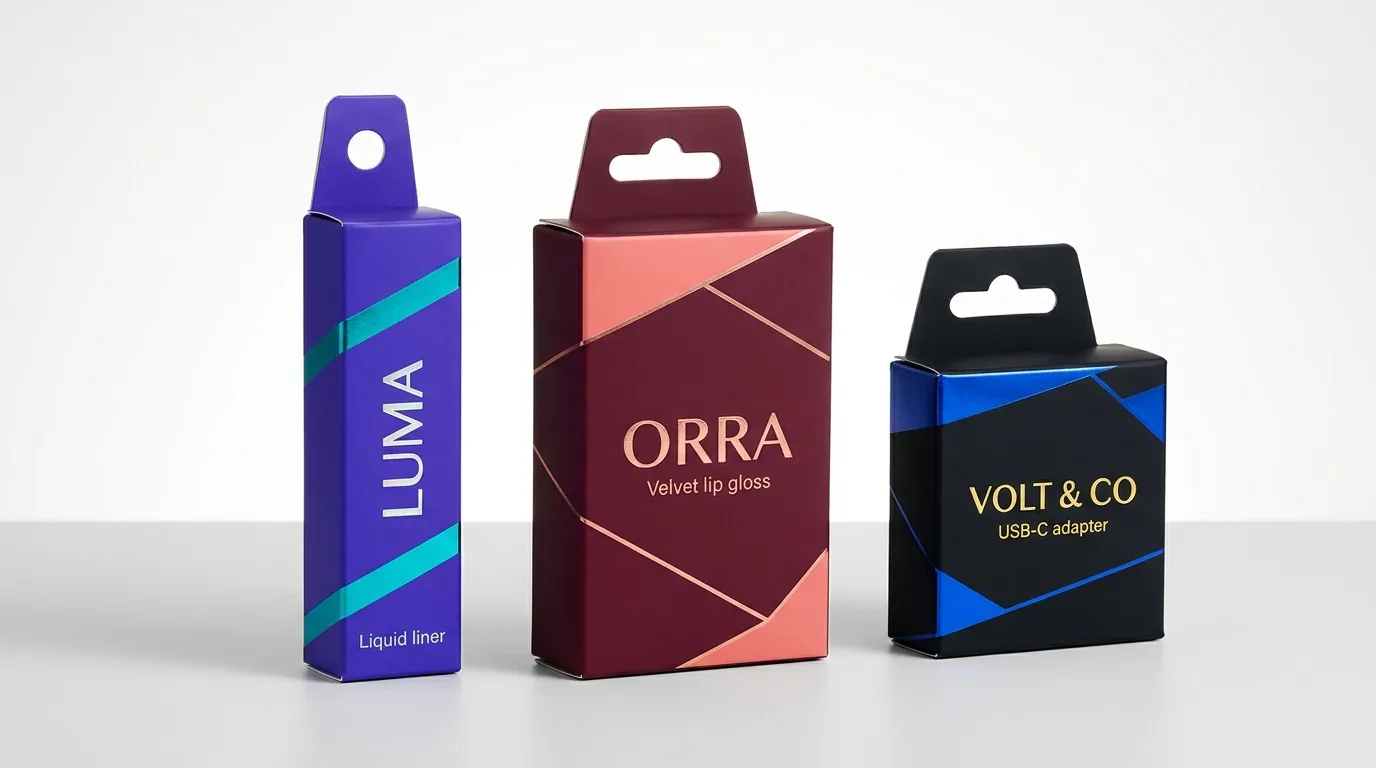
When you walk down the gadget aisle of a kitchenware retailer, nearly every item hanging on a peg hook - Y-peelers, microplane graters, garlic presses, digital meat thermometers, wine stoppers and silicone spatula sets - is packed in heavy white card or unbleached kraft paperboard. Single-wall folding board folds cleanly without wide flute creases, allowing sharp corner edges, integrated Euro or sombrero hang tab boxes, and clean window boxes where shoppers can see or touch the silicone grip. For single gadgets under 8 ounces, a straight tuck end carton with a reinforced hang tab keeps packaging weight and unit cost low. Once you bundle a 5-piece utensil set, a heavy stainless ice cream scoop or a marble spice cellar weighing 8 to 24 ounces, upgrade the floor from a tuck flap to a pre-glued auto lock bottom box so the bottom cannot pop open when lifted off a shelf.
- Euro & sombrero hang tabs: die-cut directly into a double-glued top panel so gadgets hang level on retail peg walls.
- Open touch cutouts: film-free front windows that let shoppers feel soft-grip handles or silicone spatula heads.
- Film-patched windows: clear dust-free windows that showcase multi-piece measuring spoons, whisks and bar tools.
- Auto lock bottoms: pre-glued crash-lock floors recommended whenever a gadget or utensil set exceeds 8 ounces.
Why do skillets, Dutch ovens and ceramic bowls need E-flute or B-flute corrugated?
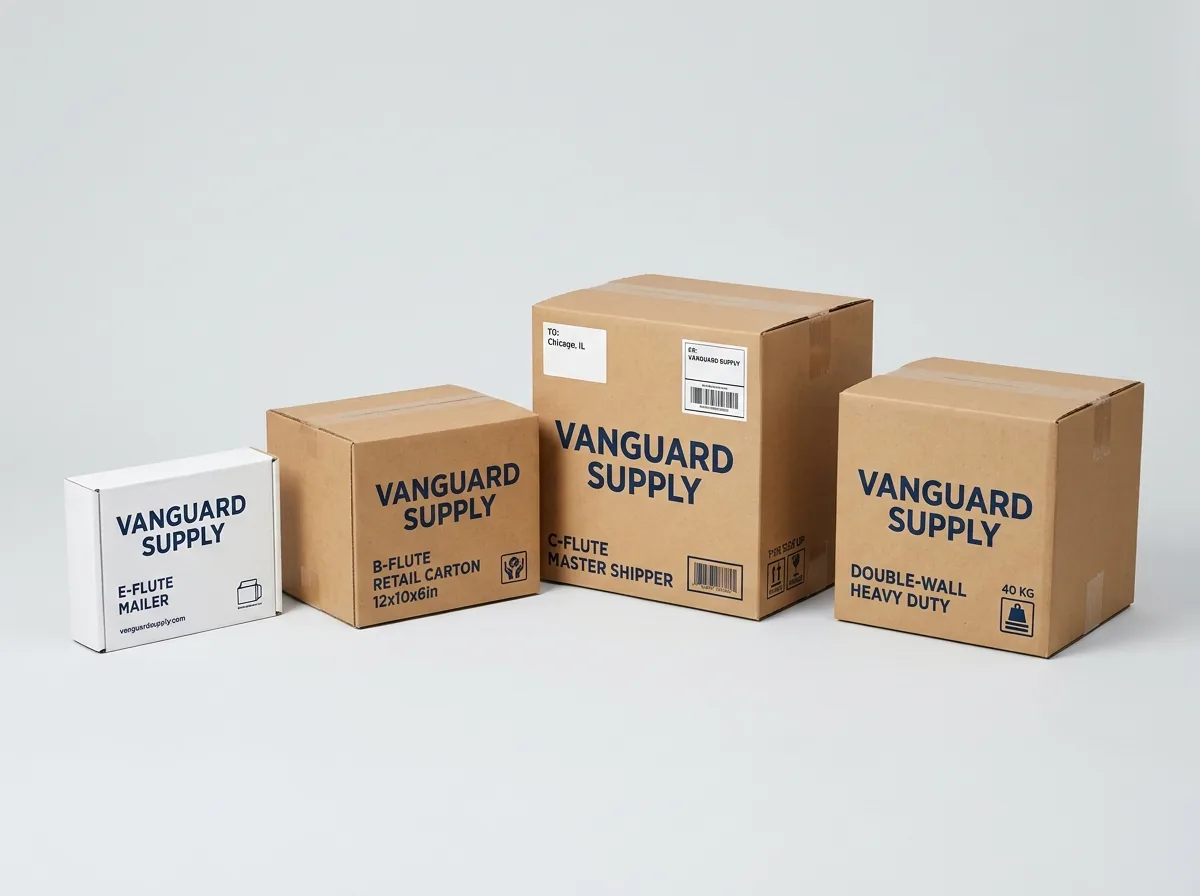
Metal cookware and stoneware bakeware concentrate massive weight onto thin rims and long handles. If you pack a 4-pound stainless frying pan or a 34-ounce glass French press inside a thin paperboard folding carton, the first warehouse stack or parcel drop will buckle the vertical walls. Fluted corrugated boxes solve this by sandwiching an arched wave of paper medium between two linerboards, acting like miniature shock absorbers across every panel. We use two primary flute profiles for cookware. E-flute (roughly 1/16 inch thick with 90 flutes per linear foot) gives you a smooth litho-grade outer surface for mouthwatering culinary photography while supporting 10-inch skillets, kettle cartons, French presses and electric hand mixers up to 5 pounds. B-flute (roughly 1/8 inch thick) doubles the cushioning depth and edge-crush strength for 12-inch cast-iron skillets, 5.5-quart enameled Dutch ovens and nested ceramic mixing bowls weighing 5 to 15 pounds. Both flute styles pair with internal cardboard inserts such as slotted pan-handle neck bridges and inverted pot-lid trays so heavy cookware arrives without a single dent or enamel chip.
Know your size? Compare pricing across up to 3 quantities.
Request a Quote →Why do forged chef knives and steak sets belong in 50-minimum rigid boxes?
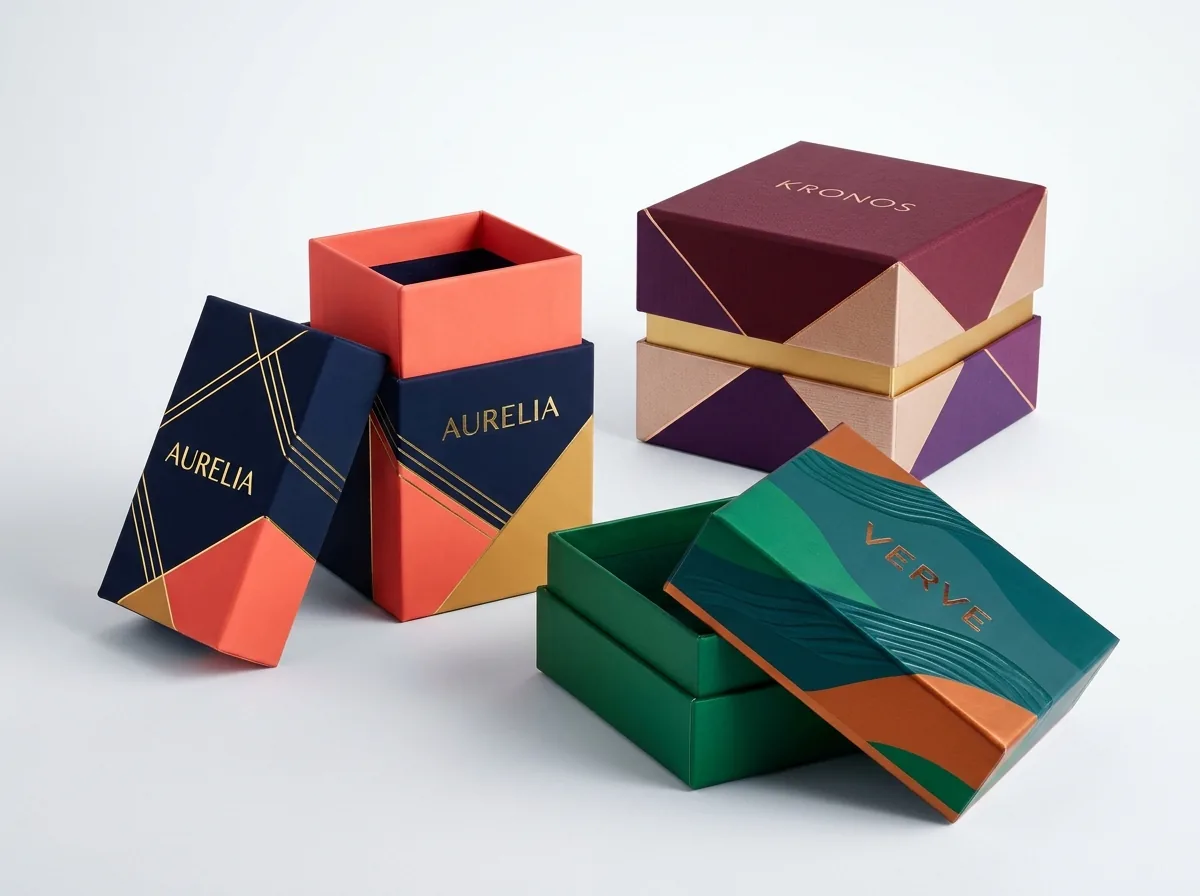
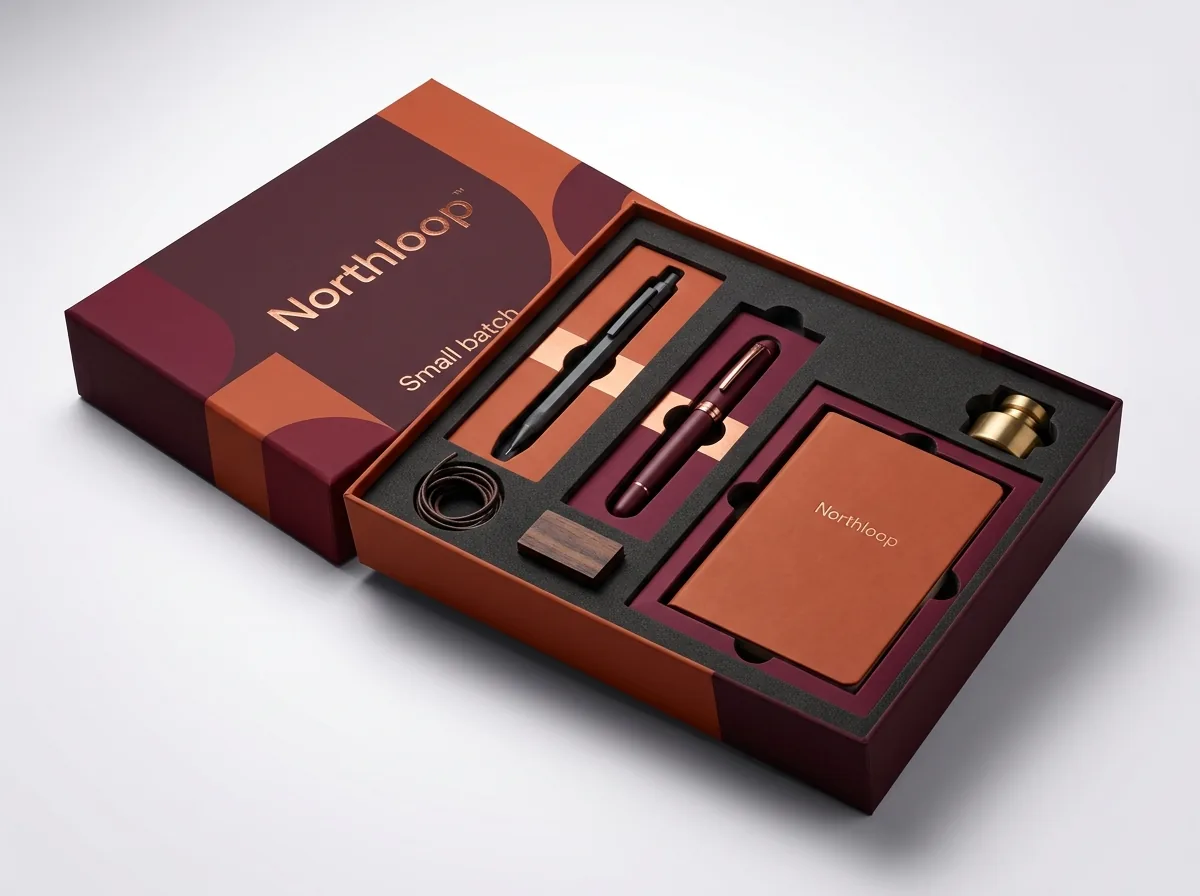
Culinary knives present a unique packaging hazard: a hardened high-carbon or Damascus steel blade is thin, heavy at the bolster, and honed to a razor edge. Even with a plastic pin guard on the tip, vibration during parcel shipping can cause a loose knife to slice through single-wall paperboard. At the same time, customers spending serious money on an 8-inch forged chef knife, a Japanese santoku or a 4-piece steak knife set expect an heirloom unboxing experience that matches the craftsmanship of the steel. A 2 mm chipboard two-piece rigid box or book-style magnetic closure box wrapped in matte or soft-touch paper solves both problems at once. Inside the rigid tray, we install a precision-routed EVA foam insert that grips the knife handle and metal bolster tightly while suspending the sharp cutting edge in open air so the bevel never rubs against cardboard. Best of all, CubitPack's rigid box minimum is just 50 units, making it easy to launch boutique cutlery collections, chef collaborations and holiday carving sets without committing to thousands of cases.
How do I keep brand colors consistent across gadget cartons, pan boxes and knife cases?
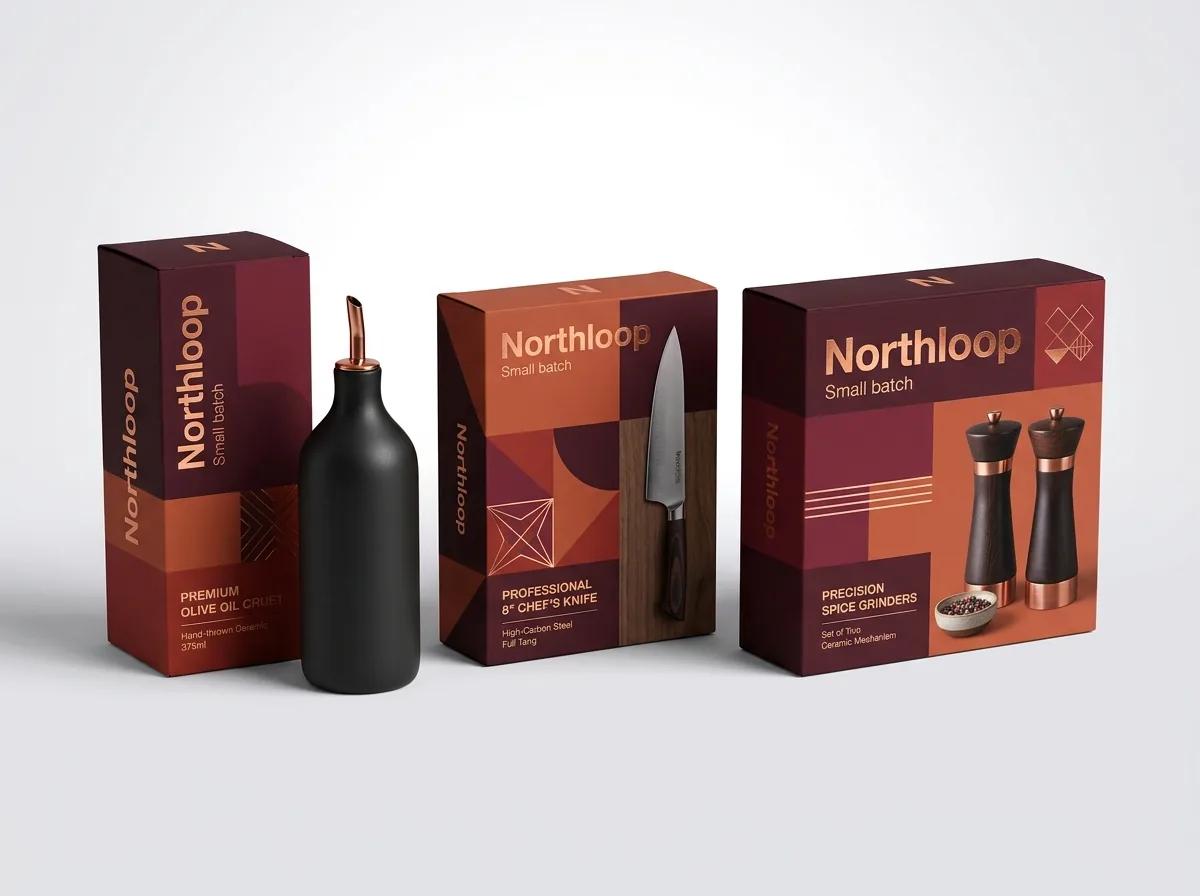
Many culinary brands sell across all three packaging categories simultaneously - for example, a silicone spatula in a white card window box, a 10-inch skillet in a B-flute corrugated mailer, and a chef knife in a soft-touch rigid box. Left uncalibrated, the same CMYK ink recipe will print warmer on uncoated kraft, brighter on coated white card, and slightly flatter under matte lamination. To keep your retail shelf block looking like one cohesive family across every department-store fixture, specify Pantone (PMS) spot colors for your primary brand background and logo mark, and choose the same exterior finish (such as scuff-resistant matte lamination with copper foil accents and a matching front stovetop compatibility icon bar) across all three board types. CubitPack guarantees Pantone color matching across paperboard, litho-laminated corrugated and rigid wrap papers, and provides a coordinated digital proof and 3D mockup before production.
What are the most common mistakes when choosing kitchenware box materials?
Crushed cookware corners, torn retail peg tabs and punctured knife sleeves almost always come from mismatching board grade to product weight and edge sharpness. Avoid these five material errors before ordering
- Packing a 3-pound cast-iron press, glass French press or ceramic bowl set in single-wall folding paperboard instead of E-flute or B-flute corrugated.
- Hanging a 12-ounce metal garlic press, ice cream scoop or meat tenderizer on a single-layer paperboard hang tab without double-gluing the tab.
- Shipping a forged chef knife in a thin paperboard carton without a polymer tip guard and a bolster-locking EVA foam or multi-ply corrugated bed.
- Using rough C-flute shipping board for a department-store skillet box where high-resolution food photography is required (use litho-laminated E-flute or B-flute instead).
- Skipping scuff-resistant matte or gloss film lamination on heavy dark-ink cookware cartons that rub together inside master shipping cases.
Find your size
Suggested inside size: 2.5 × 1.5 × 7.5 in
A starting point. Your account manager confirms the size with you before the proof.
Quote this size →Packaging for this
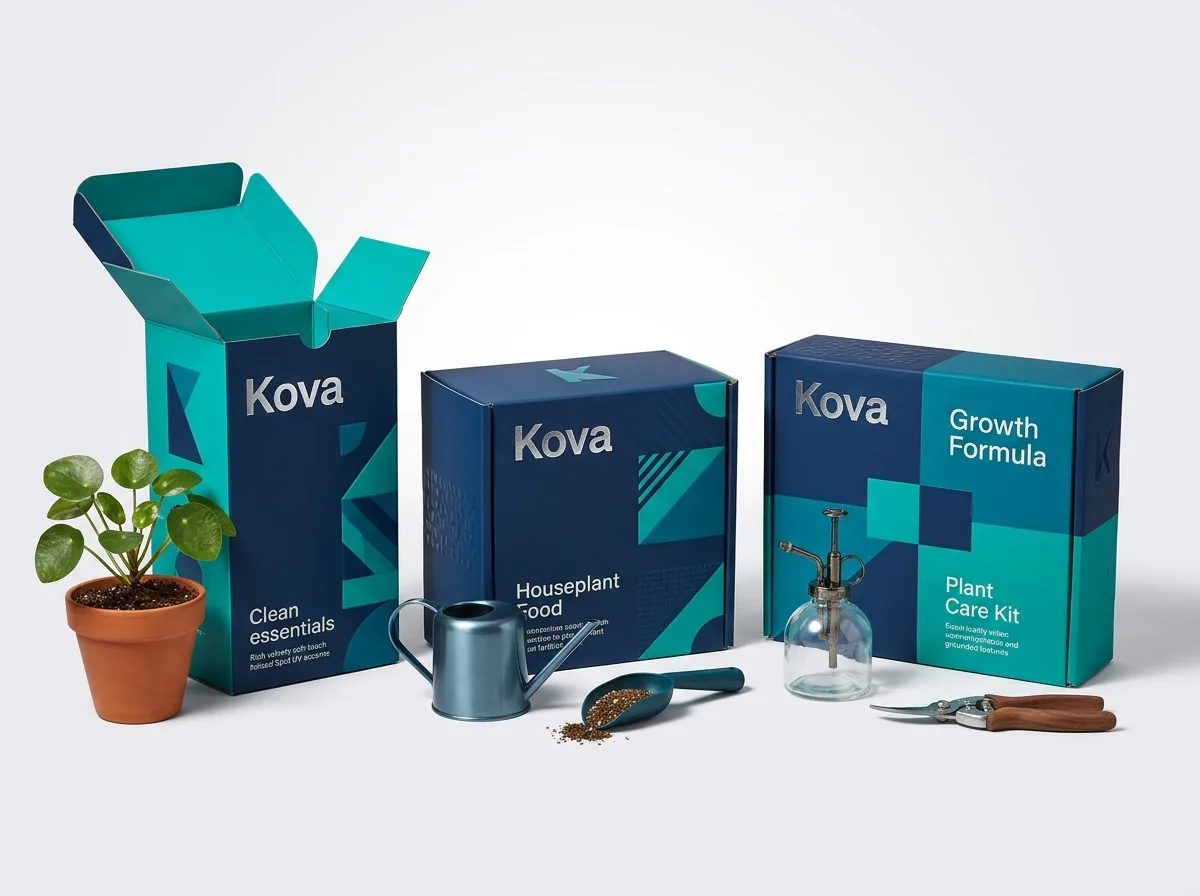
Ready to order kitchenware boxes? Compare up to 3 quantities with a free 3D mockup.
Request a Quote →Questions about kitchenware boxes
At what weight should I switch from a folding paperboard carton to E-flute corrugated?
Switch from single-wall folding paperboard to E-flute corrugated once your kitchenware item weighs more than 1.25 to 1.5 pounds, or whenever the item is fragile (such as a glass French press or ceramic crock) or ships individually via parcel courier.
When should I choose B-flute corrugated over E-flute corrugated for cookware?
Use E-flute (1/16 inch thick) for 8-inch and 10-inch skillets, saucepans, kettles and small appliances weighing 1.5 to 5 pounds. Step up to thicker B-flute (1/8 inch thick) or double-wall corrugated for 12-inch cast-iron skillets, Dutch ovens and multi-piece cookware sets over 5 pounds.
What is the minimum order for rigid chef knife boxes vs corrugated cookware boxes?
Printed folding paperboard utensil cartons and E-flute or B-flute corrugated cookware boxes start at 1,000 units. Two-piece and magnetic-closure 2 mm rigid boxes for forged chef knives and steak knife sets start at just 50 units.
Can you print photographic food and lifestyle imagery on corrugated cookware boxes?
Yes. We litho-laminate high-resolution printed sheets onto E-flute and B-flute corrugated board, giving your heavy skillet or Dutch oven carton the same magazine-sharp CMYK and Pantone print quality as a folding retail carton.
How do you prevent dark ink on heavy cookware boxes from scuffing during shipping?
Heavy cast-iron and stainless cookware causes cartons to rub against master case walls during vibration. Adding matte or gloss film lamination over dark charcoal, navy or forest green ink seals the surface against transit scuffing.
Can I feel the difference between paperboard, E-flute, B-flute and rigid board before ordering?
Yes. You can order our $50 sample kit to compare board weights, flute profiles and laminations in your hands, or order a custom physical prototype built to your exact cookware or knife dimensions (credited toward your production order).
Still have a question? Ask a packaging specialist.
Request a Quote →Request your kitchenware boxes quote
Tell us your size and quantities, and one dedicated account manager prepares pricing for each tier.
- Free design & AI-to-print studio + 3D mockup
- No die or plate charges · 4–5 day rush available
- Free shipping to all 50 states
- 10% off your first order
This material comparison was compiled from CubitPack structural guidelines for pegboard kitchen gadgets, E-flute and B-flute cookware cartons, and 2 mm rigid cutlery cases with routed EVA foam. Verified by a CubitPack packaging specialist.
Sources
What changed
- October 22, 2026: First published.
- October 22, 2026: Updated specifications, terminology, and verified source links.
More guides
New packaging guides by email
Sizes, materials and design tips. Unsubscribe anytime.