
Clamshell sleeves vs partitioned wax melt boxes: which should you choose?
Short answer: Choose slide-on paperboard sleeves if you pour directly into 6-cavity plastic clamshells and want 360-degree shelf branding at the lowest unit cost. Choose partitioned drawer or two-piece boxes with interior lamination if you mold loose botanical tarts and want plastic-free custom wax melt boxes.
On this page
- How do clamshell sleeves, partitioned tart boxes and snap-bar cartons compare
- Why do high-volume makers love slide-on paperboard sleeves for clamshells
- How do plastic-free partitioned drawer boxes work for loose soy and botanical tarts
- How do straight tuck and window cartons protect breakaway wax snap bars
- How do you gang-run 10 or 20 scents across sleeves or boxes on one budget
- Common mistakes
- FAQs
Request a custom quoteFree dieline & 3D mockup
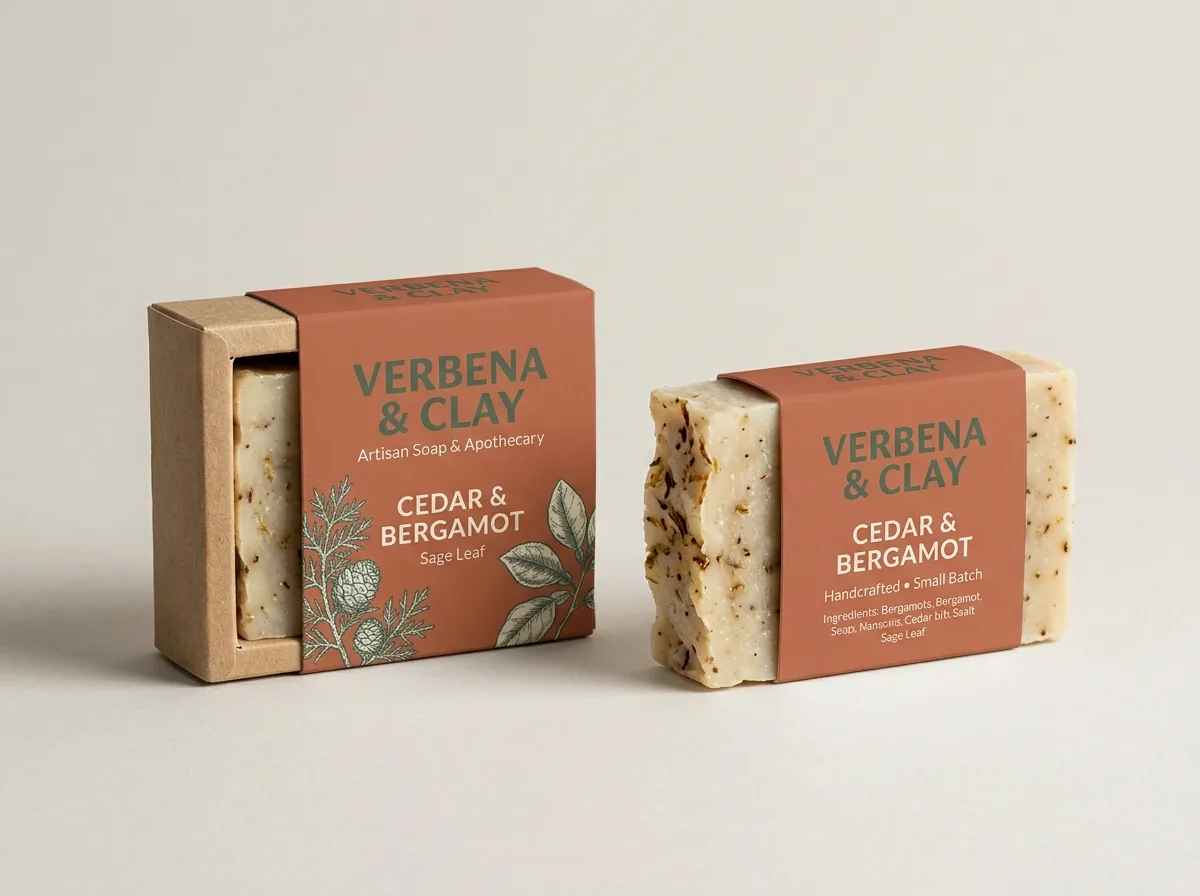
Home fragrance makers package wax melts in three main ways, and your pouring workflow dictates which carton structure fits best. If you pour melted wax directly into 6-cavity PET or PVC plastic clamshells on your pouring table, an open-ended paperboard sleeve (or full tuck carton) slides right over the cooled clamshell, replacing tiny peeling stickers with four printed panels while letting the plastic blister handle oil retention. If you want to eliminate single-use plastic clamshells altogether, you cannot pour hot liquid wax directly into a folded cardboard box; instead, you pour tarts into reusable silicone molds, pop out the cooled wax pieces, and pack them inside a laminated tray-and-sleeve or two-piece box with an interlocking 4-cell or 6-cell card divider. Finally, breakaway snap bars pair a glassine inner bag with a slim tuck or window carton.
How do clamshell sleeves, partitioned tart boxes and snap-bar cartons compare?
Switching from plastic clamshells to plastic-free paperboard changes how you pour, cool and pack every batch, while adding a printed sleeve to an existing clamshell upgrades your retail shelf presence without changing your pouring line at all. Use the side-by-side table below to compare the four leading structures across pouring method, fragrance oil protection, plastic reduction and unit economics before requesting your quote for custom printed wax melt packaging. Pay close attention to whether your wax formula is poured straight into a rigid plastic blister cavity or demolded from silicone trays as bare wax cubes, coins or breakaway bars, since that single choice determines whether your paperboard needs an internal grease-resistant lamination barrier.
| Packaging structure | How the wax is poured & packed | Oil barrier & sustainability |
|---|---|---|
| Slide-on clamshell sleeve | Pour directly into 6-cavity PET clamshell; slide sleeve on | PET shell holds oil; recyclable paper sleeve |
| Full tuck carton for clamshell | Encloses entire 6-cavity clamshell inside a closed box | PET shell holds oil; premium boxed shelf look |
| Partitioned tray & sleeve box | Mold loose tarts in silicone; place into 4 or 6 card cells | 100% plastic-free; requires interior lamination |
| Snap-bar tuck or window carton | Mold breakaway bar in silicone; wrap in glassine + carton | Plastic-free with glassine bag + paperboard box |
| Bagged melt pillow or gable box | Pack loose mini shapes in cello/glassine bag inside box | Inner bag blocks oil; fast gift & market packing |
| Counter display caddy (12–24 pk) | Holds 12 to 24 sleeved clamshells or snap-bar boxes | Replaces plastic counter trays at checkout |
Why do high-volume makers love slide-on paperboard sleeves for clamshells?
Pouring directly into 6-cavity plastic clamshells is the fastest production method in the wax melt industry because the mold is also the package: you pour 50 clamshells at once, snap the lids shut when cool, and never have to unmold individual pieces. The downside of a bare plastic clamshell is that it looks generic on boutique shelves and only leaves room for a cramped 2 × 2.5 inch front sticker. Sliding a custom printed sleeve box over the body of the clamshell solves the branding problem in three seconds. Because an open-ended sleeve has no top or bottom tuck flaps, it uses less paperboard than any other carton style, giving you our lowest unit price at 1,000, 2,500 or 5,000 pieces. Better yet, the clear ends of the sleeve still let shoppers see the wax color on both sides and hang the clamshell from its top plastic tab. You can also print your full fragrance story, warmer instructions and IFRA allergen list across the back of the sleeve instead of crowding tiny text onto a front label.
How do plastic-free partitioned drawer boxes work for loose soy and botanical tarts?
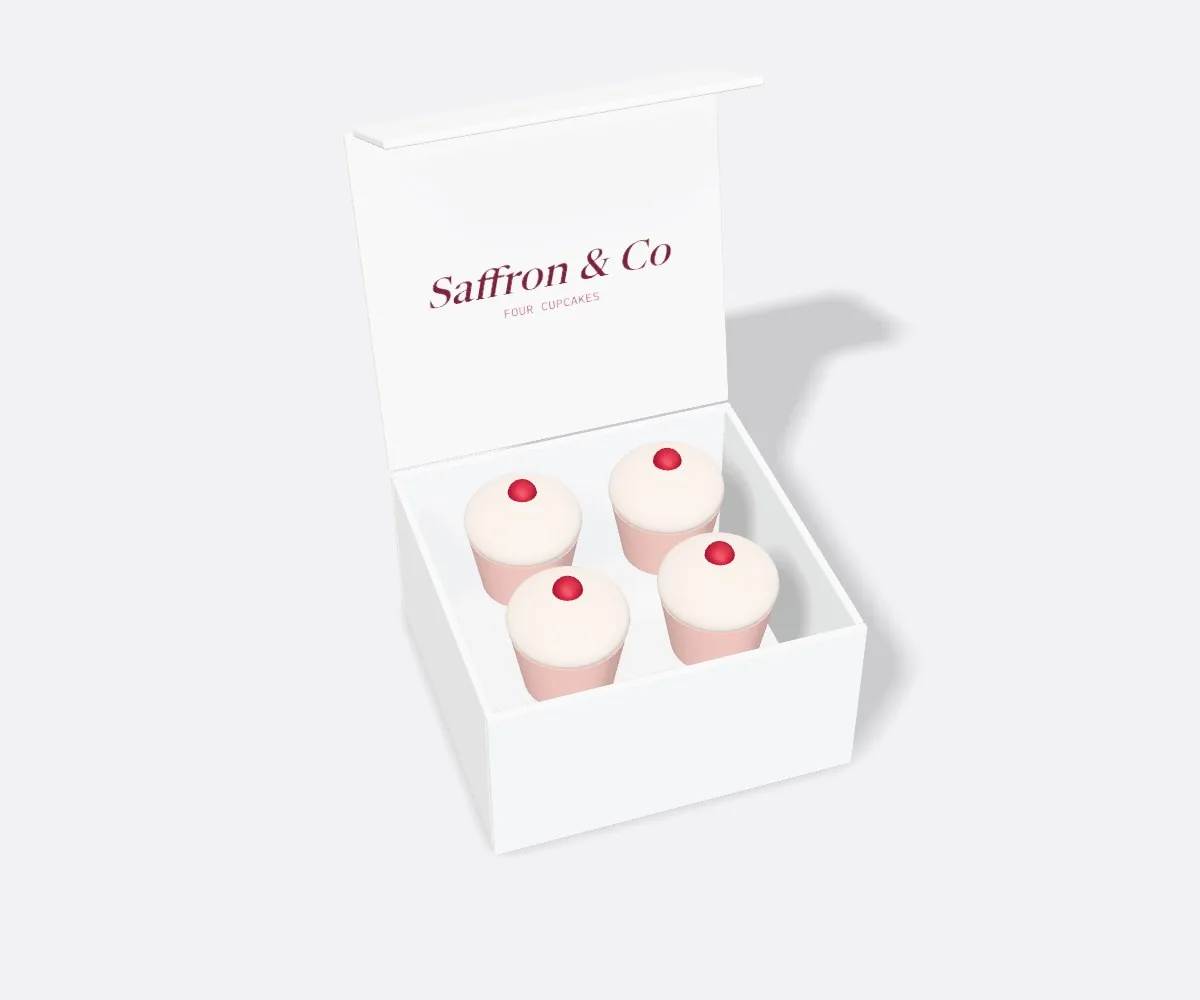
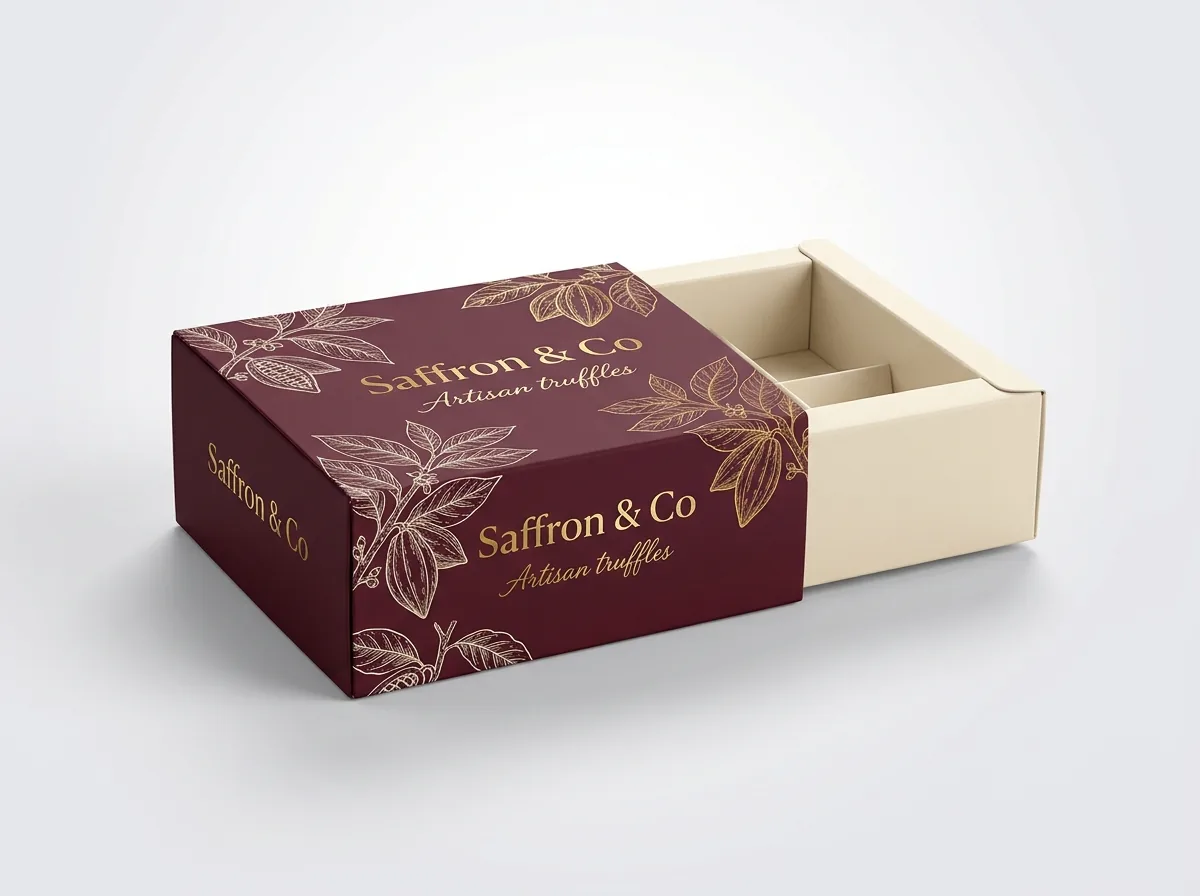
Artisan home fragrance brands that top their soy, coconut or beeswax tarts with dried rosebuds, calendula petals, rosemary sprigs or gold mica flakes often find that plastic clamshells crush delicate botanicals and clash with a natural brand ethos. A tray and sleeve box or two-piece box fitted with a 4-cell or 6-cell interlocking cardboard insert turns loose wax tarts into a box of boutique chocolates. Because folded paperboard has tiny corner gaps at the bottom creases, you never pour hot liquid wax straight into the cardboard tray. Instead, you pour your tarts into silicone cavity molds, demold them once solid, and drop one tart into each paperboard cell. To keep the 8% to 12% fragrance oil load from wicking into the paper fibers over time, we line the inside of the drawer and the divider strips with matte or gloss film lamination, or pair the tray with a grease-resistant butter paper sheet. That laminated interior keeps the outer soft-touch or kraft paperboard spotless for months on retail shelves.
Know your size? Compare pricing across up to 3 quantities.
Request a Quote →How do straight tuck and window cartons protect breakaway wax snap bars?
Breakaway 5-cell and 10-cell wax snap bars have exploded in popularity because they are molded in reusable silicone trays and require zero rigid plastic clamshells. However, a 5.5-inch long slab of soy or paraffin wax scored with deep break grooves is brittle: if you mail a snap bar in a thin cello bag inside a bubble mailer, it almost always arrives snapped into three pieces. Packing your glassine-wrapped snap bar inside a rigid-feeling straight tuck end box or window box gives the wax slab a flat structural spine from end to end. Adding an open die-cut window or a shaped scent hole in the center of the front panel lets shoppers see the shimmer and smell the cold throw while the four folded corners of the carton absorb shipping impacts.
- Choose a slide-on clamshell sleeve for the fastest pouring workflow and lowest per-unit packaging cost.
- Choose a partitioned tray-and-sleeve box with interior lamination for a 100% plastic-free gift presentation.
- Choose a glassine-lined straight tuck or window carton to keep brittle 5-cell and 10-cell snap bars from breaking.
- Order our $50 sample kit to compare sleeve stocks, laminated interiors and card dividers in person.
How do you gang-run 10 or 20 scents across sleeves or boxes on one budget?
Unlike a skincare brand that might launch with two products, a wax melt maker regularly launches with 8, 12 or 20 fragrances at once. Whether you choose a clamshell sleeve, a snap-bar tuck box or a 6-tart partitioned drawer, the secret to keeping your per-unit price low is to lock in one identical structural dieline across every single scent in your catalog. When all your fragrances share the same dimensions and board stock, CubitPack can combine multiple scent artworks into a single production run starting at 1,000 total pieces with zero cutting die or plate charges. For a 6-tart partitioned drawer box, the unprinted inner tray and 6-cell grid divider stay 100% identical across all scents while only the outer printed sleeve changes per fragrance. If you sell at farmers markets, craft fairs or boutique checkout counters, you can also pair either style with a matching pop-up counter display box sized to hold 12 or 24 packs upright in two neat rows. A counter display caddy keeps flat sleeves and slim snap-bar boxes from sliding into messy piles on the table, while its pop-up header panel acts as a mini sign listing your wax blend, scent throw and multi-pack bundle deals. And if you ship monthly wax melt discovery clubs to online subscribers, a flat E-flute corrugated mailer with a die-cut 4-pack insert keeps four clamshells or four snap-bar cartons locked side by side in transit.
What mistakes do makers make when choosing between sleeves and tart boxes?
Switching wax melt packaging without matching the box barrier to your wax formula causes oil stains or broken bars. Avoid these five mistakes
- Trying to pour hot liquid wax directly into a folded paperboard box instead of molding tarts in silicone first.
- Packing bare, unbagged soy wax tarts into an unlined kraft or white card box without interior lamination or glassine.
- Ordering a closed tuck box without a smell hole when switching from easy-to-open clamshells, blocking cold-throw testing.
- Using thin flexible bags alone for long 10-cell wax snap bars, which lets the scored wax slab snap in transit.
- Printing both the inner tray and outer sleeve per scent on drawer boxes instead of keeping the inner tray universal.
Find your size
Suggested inside size: 4.375 × 3 × 1.125 in
A starting point. Your account manager confirms the size with you before the proof.
Quote this size →Packaging for this
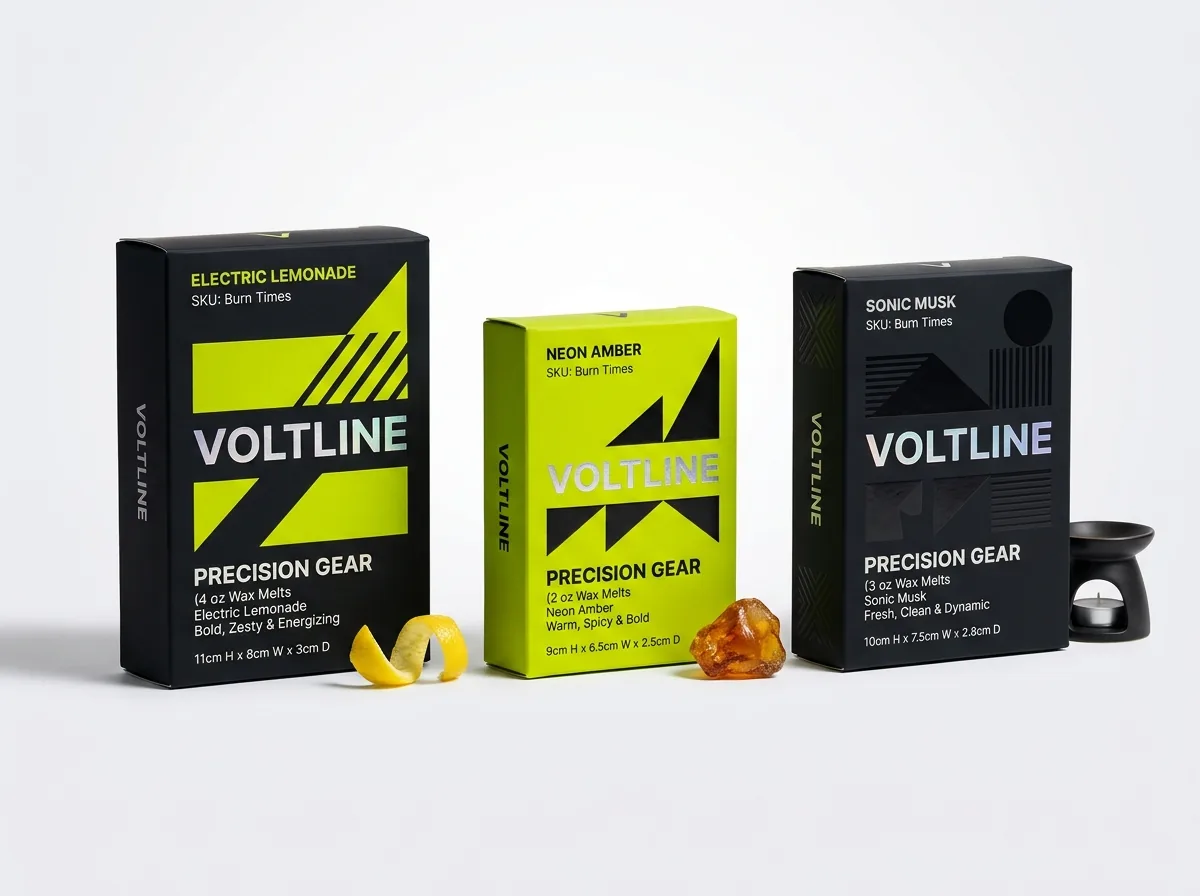
Ready to order wax melt boxes? Compare up to 3 quantities with a free 3D mockup.
Request a Quote →Questions about wax melt boxes
Can I pour hot melted wax directly into a paperboard wax melt box?
No. Folded paperboard boxes have unsealed corner seams where hot liquid wax will leak out. To go plastic-free, pour your wax into reusable silicone tart or snap-bar molds, pop the cooled solid pieces out, and place them into a laminated partitioned box.
Does a slide-on clamshell sleeve cost less than a full tuck-end wax melt box?
Yes. Because a four-panel open-ended sleeve has no top or bottom closure flaps, it uses roughly 25% to 30% less paperboard per unit than a full tuck carton and packs onto your clamshells in half the time.
How do you stop bare wax tarts from leaving grease marks on a partitioned box?
We apply a thin matte or gloss film lamination to the inside surface of the paperboard tray and cell dividers (or pair the box with a grease-resistant glassine sheet) so liquid fragrance oil cannot soak into the paper fibers.
What is the minimum order for custom clamshell sleeves or partitioned tart boxes?
Both custom printed clamshell sleeves and folding wax melt cartons start at 1,000 pieces, and you can split that run across multiple scent designs that share the same size and dieline.
Do plastic-free wax melt boxes keep the scent fresh as long as plastic clamshells?
Laminated paperboard boxes and glassine inner wraps hold fragrance throw very well over normal retail shelf life, especially when stored in a cool dry place. For long-term storage of volatile citrus scents, slip the tray into a cello wrap.
Can I see a 3D mockup and test my wax melts in a sample box before ordering?
Yes. Every order includes free design help, a 2D dieline proof and a 3D mockup before payment. You can also order our $50 sample kit or a custom physical prototype credited toward your order.
Still have a question? Ask a packaging specialist.
Request a Quote →Request your wax melt boxes quote
Tell us your size and quantities, and one dedicated account manager prepares pricing for each tier.
- Free design & AI-to-print studio + 3D mockup
- No die or plate charges · 4–5 day rush available
- Free shipping to all 50 states
- 10% off your first order
This comparison evaluates slide-on clamshell sleeves, partitioned drawer boxes and snap-bar cartons across pouring workflows, fragrance-oil barrier requirements, board usage and CubitPack minimums from our published product specifications. Verified by a packaging specialist. Spot an error? Tell us and we will fix it.
Sources
What changed
- October 22, 2026: First published.
- October 22, 2026: Updated specifications, terminology, and verified source links.
More guides
New packaging guides by email
Sizes, materials and design tips. Unsubscribe anytime.