
Paperboard vs corrugated pie boxes: which should you choose?
Short answer: Choose folding paperboard or kraft card for everyday counter takeaway of light 8-inch and 9-inch pies, mini pot pies, and single slice wedges. Step up to E-flute corrugated custom pie boxes for heavy 3-pound deep-dish fruit or pecan pies, tall holiday pickup stacks, and mail-order shipping.
On this page
- When does a heavy fruit or pecan pie need E-flute corrugated board
- How do folding paperboard and E-flute corrugated pie boxes compare
- How many pie boxes can you stack high during Thanksgiving pickup rushes
- Which board works better for frozen take-and-bake fruit and pot pies
- How do you package whole pies for nationwide mail-order shipping
- Common mistakes
- FAQs
Request a custom quoteFree dieline & 3D mockup
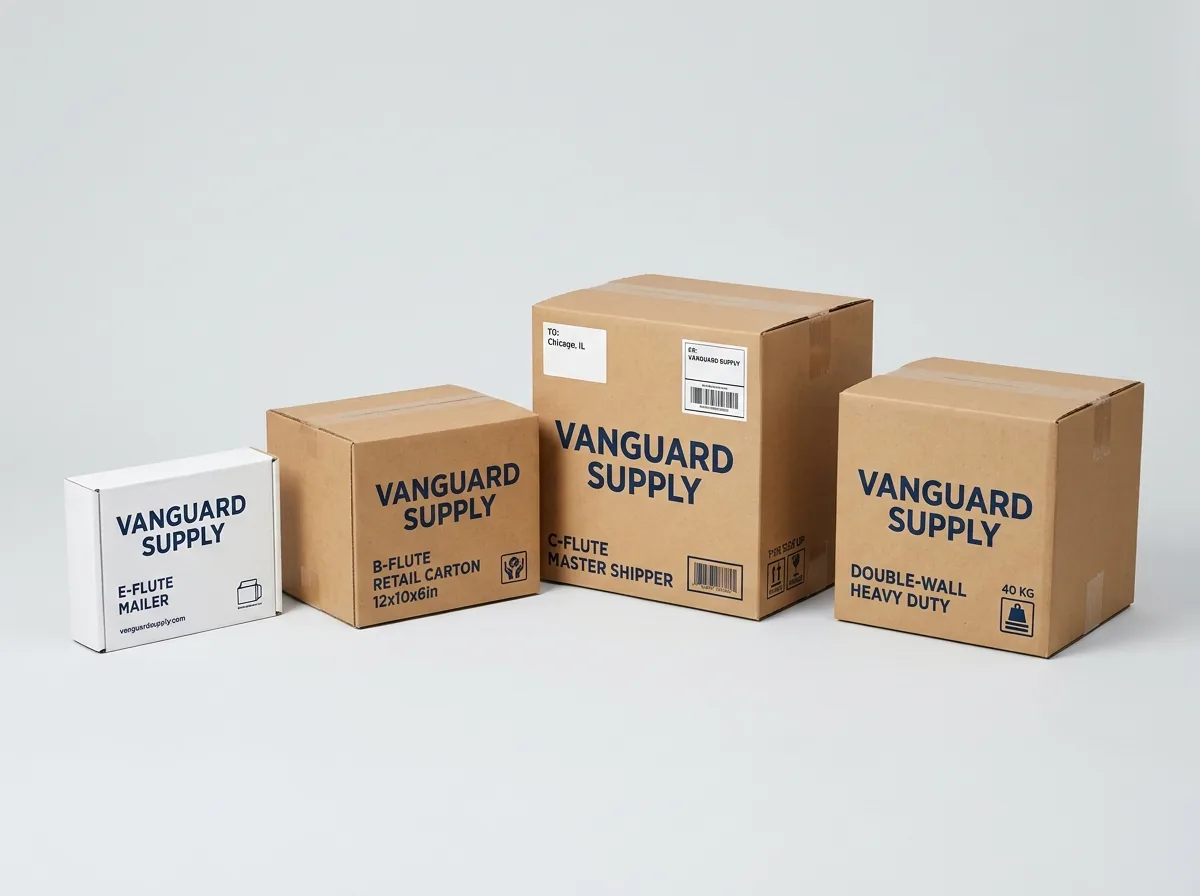
A baked pie is one of the densest items in a bakery case: while a dozen croissants weigh barely a pound, a single 9-inch or 10-inch deep-dish apple or pecan pie weighs 2.5 to 4 pounds concentrated on a narrow 7-inch tin base. Standard single-ply folding paperboard (white card or unbleached kraft) is economical, stores ultra-flat, and works well when customers carry one or two pies out of the shop. However, once you stack boxed pies five high on Thanksgiving pickup shelves, pack 10-inch orchard pies, or ship pies across the country, thin paperboard walls can bow and drop the upper box onto the crust below. E-flute micro-corrugated board sandwiches a fluted arch layer between two smooth outer liners, multiplying vertical stacking strength while still accepting crisp full-color printing, foil stamping, and circular top windows.
When does a heavy fruit or pecan pie need E-flute corrugated board?
If you pick up an unboxed 9-inch aluminum foil pie pan filled with hot spiced apples or pecan custard using only one hand, the thin foil rim bends under the weight. Once that pan is inside a box, the floor of the carton has to bridge a 10 × 10 inch span without sagging in the center when a customer carries it out to the parking lot. For 5-inch personal pot pies, triangular slice wedges, and standard 8-inch or 9-inch pumpkin and custard pies under two pounds, sturdy folding paperboard or unbleached kraft in a lock-corner or auto lock bottom box gives plenty of support at the lowest unit cost. As soon as your recipe moves to 9-inch high-mounded orchard apple pies, 10-inch deep-dish berry pies, or savory meat pies weighing 2.5 to 4 pounds, specifying E-flute corrugated board on your custom printed pie cartons keeps the floor rigid from counter to kitchen table without requiring a separate cardboard cake pad underneath the tin.
- Under 2 lb (mini pot pies, slice wedges, 8-in pies, standard 9-in pumpkin): folding white card or kraft board.
- 2.5 to 4 lb (deep-dish 9-in apple, pecan, 10-in orchard pies, large quiches): E-flute micro-corrugated board.
- 5+ high holiday counter stacks: E-flute corrugated with lock-corner or roll-over double side walls.
- Parcel courier shipping (UPS / FedEx / USPS): E-flute inner display box + B-flute corrugated outer mailer.
How do folding paperboard and E-flute corrugated pie boxes compare?
Both materials start at 1,000 boxes at CubitPack, accept full-color CMYK or Pantone printing, support clear round top windows, and ship flat to your bakery at zero cost across all 50 states. Use the side-by-side table below to match the board stock to how your pies are sold, refrigerated, and stacked. Notice that you do not have to sacrifice print quality when upgrading to corrugated: clay-coated white or natural unbleached kraft outer liners on E-flute accept crisp logos, metallic foil stamping, and exterior lamination just like a retail folding carton, while giving your holiday pickup stacks the vertical compression strength of a shipping box.
| Comparison factor | Folding paperboard (card / kraft) | E-flute micro-corrugated board |
|---|---|---|
| Wall structure | Single solid sheet of virgin paperboard | Two flat liners + 90 flutes per foot arch core |
| Ideal pie weight | Up to 2 lb (slices, mini tins, standard 8–9 in) | 2.5 to 4.5 lb (deep-dish 9–10 in, meat pies) |
| Vertical stacking limit | 2 to 3 boxes high on counter | 5 to 7 boxes high on holiday pickup racks |
| Heat & steam insulation | Low (transfers warmth quickly) | High (fluted air pockets insulate warm pies) |
| Flat storage footprint | Ultra-thin (1,000 blanks fit on one shelf) | Moderate (roughly 1.6× thicker when flat) |
| Window & print options | CMYK, Pantone, foil, emboss, round window | CMYK, Pantone, foil, laminate, round window |
| Unit cost | Most economical per box | Moderate step up for heavy-duty protection |
How many pie boxes can you stack high during Thanksgiving pickup rushes?
During the Monday, Tuesday, and Wednesday before Thanksgiving, a busy pie shop or orchard farm market often packs 2,000 to 5,000 pre-ordered pies in 48 hours. Because floor space is limited, bakers stack boxed pies on speed racks and counter tables. When five 3-pound pies are stacked vertically, the bottom box carries 12 pounds of static load - and if each box has a large circular window cut out of the center of the lid, all of that weight rides on the four vertical side walls and corner posts. Thin folding paperboard walls soften slightly when exposed to residual warmth and humidity from freshly cooled pies, causing the bottom box in a five-high stack to buckle inward and press its window film straight into the pumpkin filling. Switching your 10 × 10 × 2.5 inch holiday box to E-flute custom corrugated boxes with double-folded rollover side walls lets you stack pies five to seven high safely on bakery racks, and lets customers carry three stacked boxes out to their car in one trip without crushing the bottom pie.
Know your size? Compare pricing across up to 3 quantities.
Request a Quote →Which board works better for frozen take-and-bake fruit and pot pies?
Many orchards, butcher shops, and specialty grocers sell unbaked frozen fruit pies, quiches, and chicken pot pies that go from a 0°F commercial display freezer to a shopper's cart and then into a home freezer. Inside a freezer case, dry cold air and defrost cycles create frost crystals on the outside of the carton, followed by liquid condensation droplets the moment the shopper drives home. For 5-inch personal pot pies and 9-inch frozen fruit pies sold on grocery freezer shelves, heavy white folding paperboard (or E-flute corrugated for heavy deep-dish tins) finished with exterior matte lamination or gloss lamination prevents moisture from wicking into the paper fibers. Seal-end glued flaps or lock-tab tuck flaps keep the carton tightly shut in the freezer case without needing tape. In addition, the internal air flutes of an E-flute corrugated carton act as a thermal buffer that slows down edge thawing during the customer's drive home from the farm market.
How do you package whole pies for nationwide mail-order shipping?
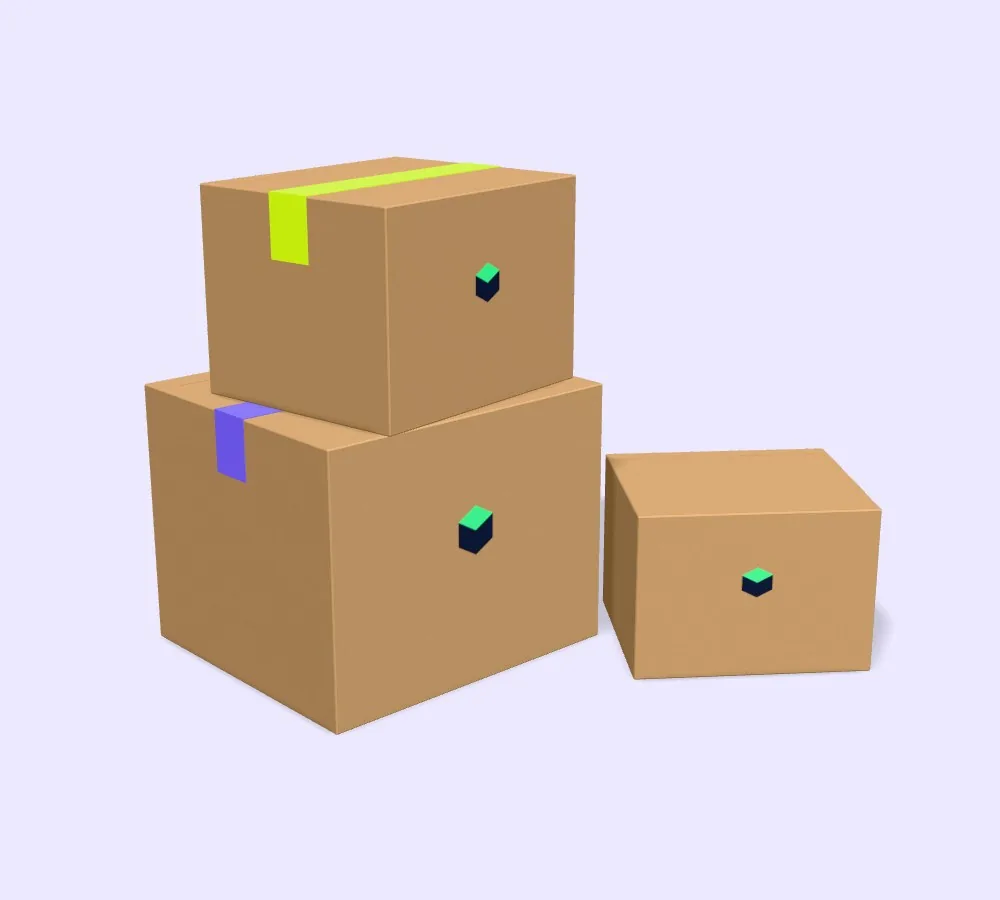
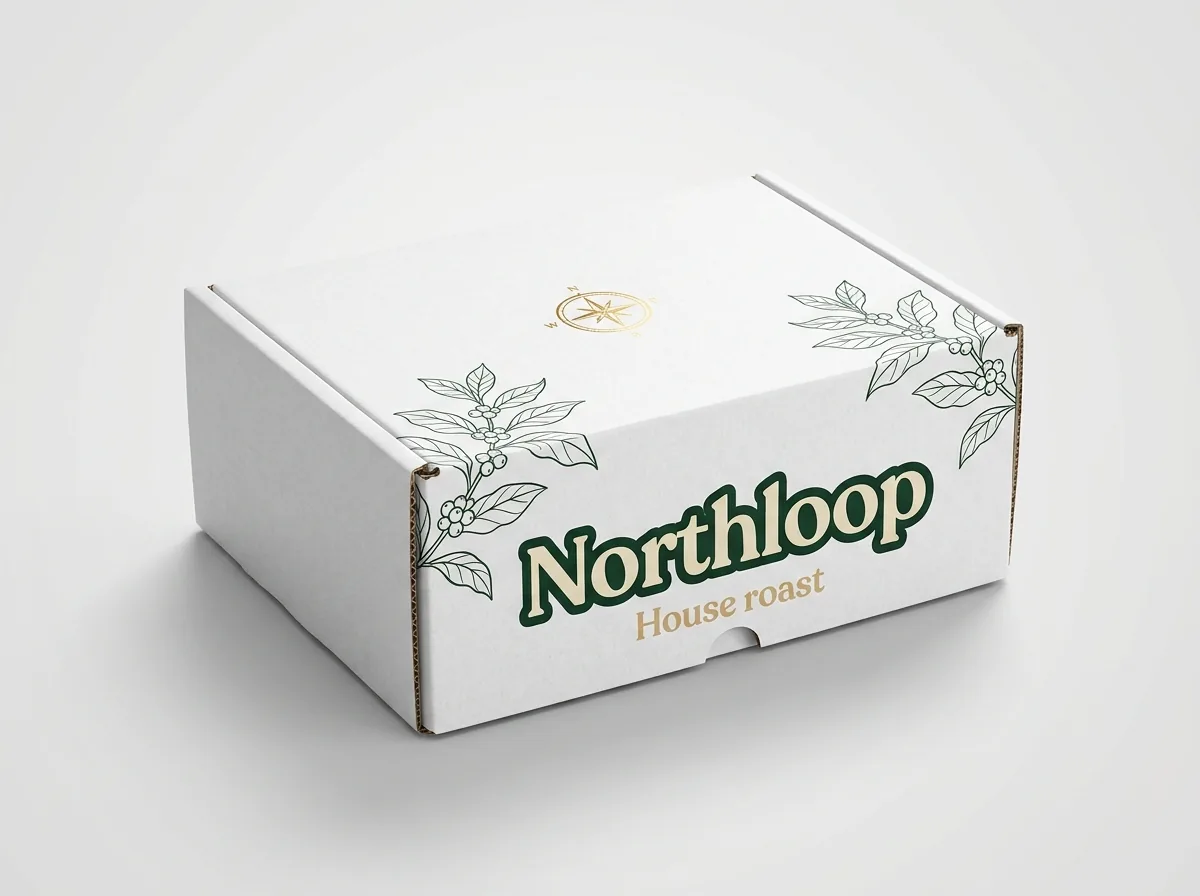
Shipping a baked pecan, chess, or fruit pie via parcel couriers requires a two-part packaging system that locks the tin against drops and vibration. A thin retail window carton alone will never survive a sorting conveyor belt. Mail-order bakeries typically place the cooled pie (often wrapped or over-wrapped inside its aluminum tin) into a snug 10 × 10 × 2.5 inch E-flute corrugated branded gift box with a circular cardboard collar insert that holds the rim down so the pie cannot jump upward if the parcel is inverted. That branded inner box then slides into a B-flute or double-wall custom mailer box or insulated shipping carton. When the recipient opens the outer shipper, your clean branded pie box is ready to set straight on the holiday table, and both the inner presentation box and the outer corrugated mailer can be ordered together at CubitPack.
- Inner gift carton: E-flute corrugated lock-corner or tuck box sized tightly to the outer tin lip.
- Top & bottom restraint: die-cut cardboard ring pad under the tin + top collar ring over the crust rim.
- Window choice for shipping: solid printed lid (stronger against top impact than a wide plastic window).
- Outer transit box: B-flute corrugated mailer or insulated cold-pack shipper.
What mistakes do bakeries make when picking pie box board stocks?
Avoid these five common material mismatches before placing your custom pie box order for daily counter sales or holiday pre-orders
- Stacking heavy 3-pound orchard apple pies five high in thin folding paperboard instead of E-flute corrugated board.
- Cutting an oversized top window that leaves less than 1 inch of border around the lid on boxes meant to be stacked.
- Shipping a thin retail window pie box directly through parcel couriers without a corrugated mailer and rim collar.
- Using unlaminated raw paperboard for frozen take-and-bake pot pies, causing thawing condensation to warp the box.
- Over-specifying thick corrugated board for tiny 5-inch pot pies or single slice wedges where folding paperboard costs less and folds neater.
Find your size
Suggested inside size: 5.5 × 4.5 × 2.5 in
A starting point. Your account manager confirms the size with you before the proof.
Quote this size →Packaging for this
Ready to order pie boxes? Compare up to 3 quantities with a free 3D mockup.
Request a Quote →Questions about pie boxes
What is E-flute corrugated board and why is it used for pie boxes?
E-flute is the thinnest standard corrugated board (about 1/16 inch thick, with 90 flutes per foot). It combines a smooth printable outside surface with internal fluted arches that stop 10-inch pie boxes from sagging or crushing when stacked.
Can E-flute corrugated pie boxes have a clear round top window?
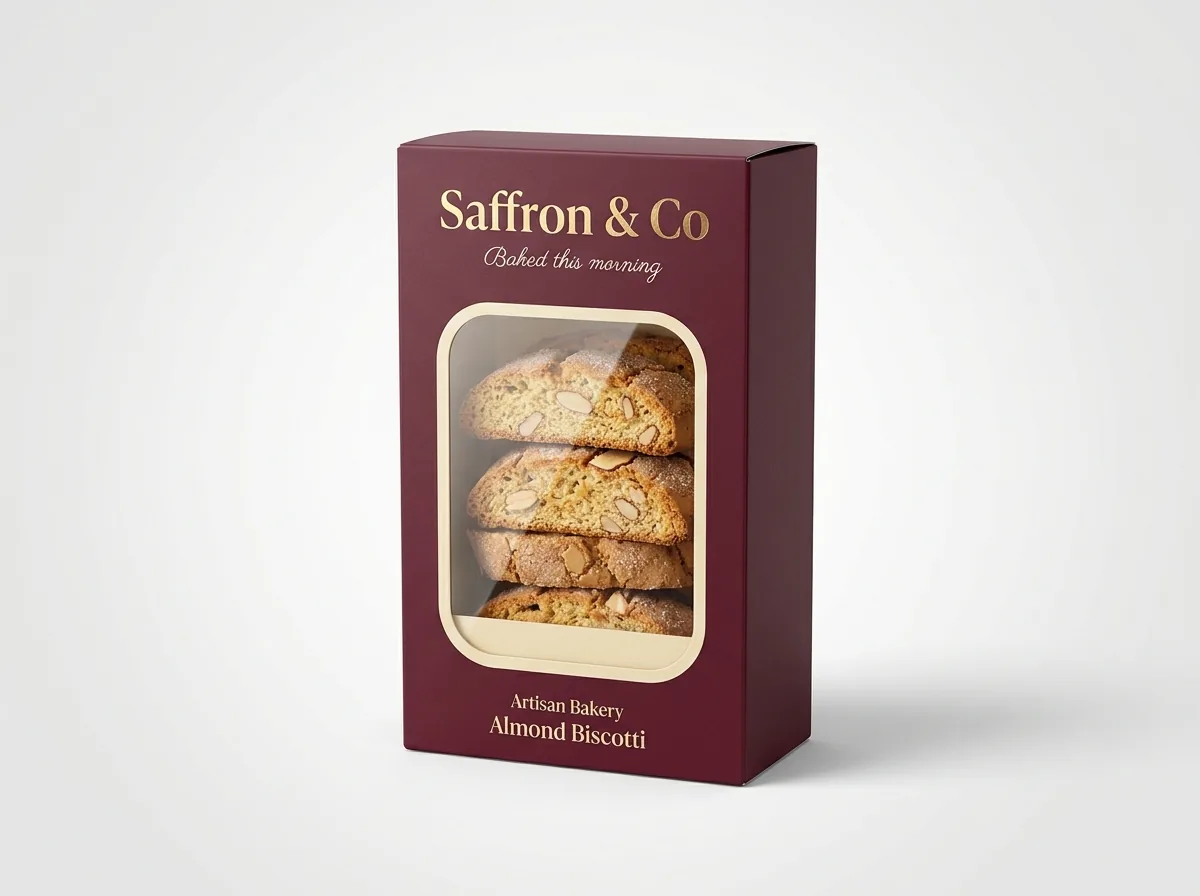
Yes. We die-cut circular, square, or custom lattice windows into E-flute corrugated pie boxes and patch clear film across the opening just like on folding paperboard cartons.
When is standard folding paperboard the right choice for pie boxes?
Folding white card or kraft board is ideal for single pie slice wedges, handheld fried turnovers, 5-inch mini pot pies, and everyday counter takeaway of 8-inch or 9-inch pies where boxes are not stacked more than two or three high.
Can I order folding paperboard for slice boxes and E-flute for whole pies together?
Yes. Many bakeries order folding paperboard triangular wedge boxes for café slices alongside E-flute corrugated 10 × 10 × 2.5 in boxes for whole holiday pies in the same quote.
Are food-safe liners available on both paperboard and corrugated pie boxes?
Yes. Food-safe boards and grease-resistant interior barriers are available on request through our certified partner facilities for both folding paperboard and corrugated pie cartons.
Can I feel the difference between paperboard and E-flute before ordering?
Yes. Our $50 sample kit (credited toward your first order) includes real samples of white card, kraft board, and corrugated stocks so you can test stiffness in your own kitchen.
Still have a question? Ask a packaging specialist.
Request a Quote →Request your pie boxes quote
Tell us your size and quantities, and one dedicated account manager prepares pricing for each tier.
- Free design & AI-to-print studio + 3D mockup
- No die or plate charges · 4–5 day rush available
- Free shipping to all 50 states
- 10% off your first order
The board-strength comparisons and vertical stacking guidelines in this guide follow standard TAPPI paperboard caliper and E-flute corrugated edge-crush conventions. A CubitPack packaging specialist reviewed every section. Spot something wrong? Tell us and we will fix it.
Sources
What changed
- October 22, 2026: First published.
- October 22, 2026: Updated specifications, terminology, and verified source links.
More guides
New packaging guides by email
Sizes, materials and design tips. Unsubscribe anytime.