
How do you choose board strength, windows, and handles for cakes?
Short answer: Use folding paperboard for cake slices, 4-inch Bento cakes, and light 6-inch rounds under 3 pounds, and upgrade to E-flute or B-flute corrugated board for 8-inch to 12-inch layer cakes and sheet cakes. When designing custom cake boxes, keep window cutouts 3/4 inch inside fold creases.
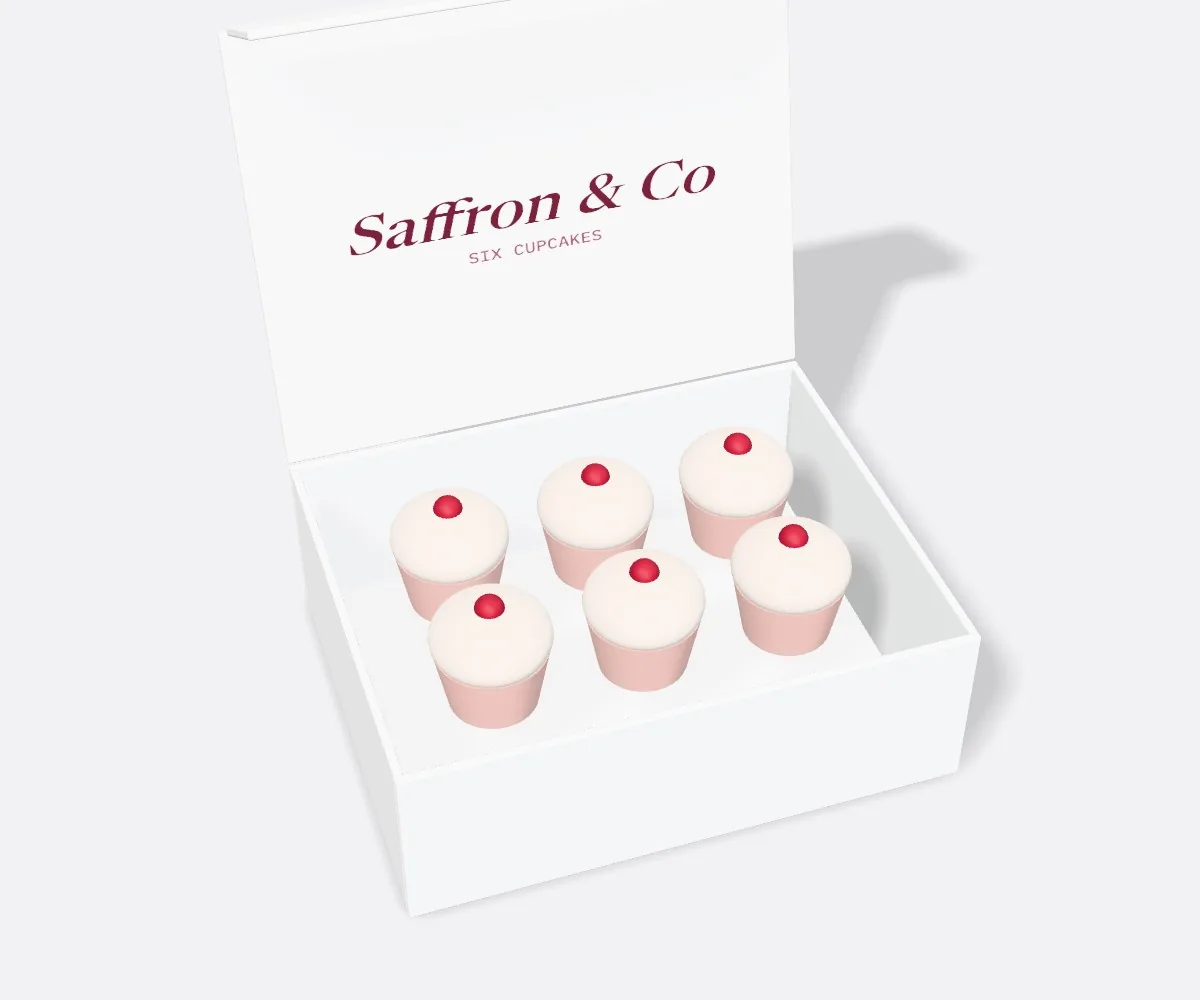
On this page
- When should you use paperboard vs E-flute or B-flute corrugated board
- How do you design top, front arch, and L-shaped windows without weakening the box
- When is a built-in carry handle safe on a cake box - and when should you skip it
- How do you stop cake boxes from softening in walk-in bakery coolers
- How can bakeries keep custom cake box costs down across multiple sizes
- Common mistakes
- FAQs
Request a custom quoteFree dieline & 3D mockup
A decorated celebration cake is one of the heaviest, most fragile items sold in retail packaging: a three-layer 8-inch round cake on a 10-inch cake drum weighs 4.5 to 6 pounds, and a filled half-sheet or two-tier cake easily tops 10 to 14 pounds. If the box floor flexes even 1/4 inch when a customer lifts it off the bakery counter, the cake drum bends and hairline cracks run right up the side of the buttercream. Choosing between standard folding paperboard and fluted corrugated board - and engineering window cutouts, cooler-resistant laminations, and carry handles around that exact weight - keeps your cakes flat from the walk-in chiller to the party table. Every CubitPack cake box is engineered to your cake weight with free structural design help, a flat digital proof, and an interactive 3D mockup before payment.
When should you use paperboard vs E-flute or B-flute corrugated board?
Standard single-ply paperboard (white card or unbleached kraft) folds with razor-sharp creases and takes fine foil stamping beautifully, making it ideal for light bakes. Once your cake diameter reaches 8 inches or more, however, a single sheet of paperboard spanning 10 to 14 inches across the floor will sag under a 5-pound center load unless supported from underneath. Corrugated board solves this by sandwiching a wavy fluted medium between two flat linerboards, multiplying bending stiffness without adding heavy bulk. Use the table below to pick the right board grade when quoting custom printed cake boxes.
| Board material | Safe cake weight | Best cake sizes & applications |
|---|---|---|
| White card or Kraft paperboard | Up to 3 lbs (1.4 kg) | Cake slices, 4 in Bento cakes, 6 in single-layer cakes |
| Heavy paperboard + 1/2 in cake drum | 3 to 5 lbs (1.4–2.3 kg) | 6 in and light 8 in round cakes carried flat from below |
| E-flute corrugated (1/16 in thin flute) | 4 to 10 lbs (1.8–4.5 kg) | 8 in and 10 in layer cakes, tall drip cakes, quarter-sheet cakes |
| B-flute corrugated (1/8 in rigid flute) | 8 to 16+ lbs (3.6–7.3+ kg) | 12 in rounds, two-tier event cakes, half-sheet & full-sheet cakes |
How do you design top, front arch, and L-shaped windows without weakening the box?
Customers love seeing the piped rosettes, ganache drips, or custom inscription through a clear window at pickup, and a window stops people from opening the lid in the car to peek inside. At the same time, every square inch of paperboard you cut out of a wall or lid removes structural fiber. To keep a custom window box rigid enough to stack in your bakery cooler, leave a solid paperboard border of at least 3/4 inch to 1.25 inches around all four edges of the window opening. For standard 5-inch-tall round cake boxes and sheet cake boxes, a top lid window (round, square, or scalloped) leaves all four vertical walls 100% solid for maximum stacking strength. For tall 8-inch to 12-inch drip cakes where the artwork is on the side of the cake, use a front arch window on the drop-front panel or an L-shaped window that bridges across the front wall and top lid while keeping the four vertical corner posts wide and uncut.
- Top skylight window: best for sheet cakes and classic round cakes with piped messages on top; keeps all 4 vertical walls solid.
- Front arch window: best for tall double-barrel and two-tier cakes where side layers and toppers are the star.
- Wrap-around L-window: spans the front wall and top lid across one crease line for 180-degree visibility.
- Corner post rule: keep at least 1 inch of uncut board between any window cutout and the four vertical corner creases.
When is a built-in carry handle safe on a cake box - and when should you skip it?
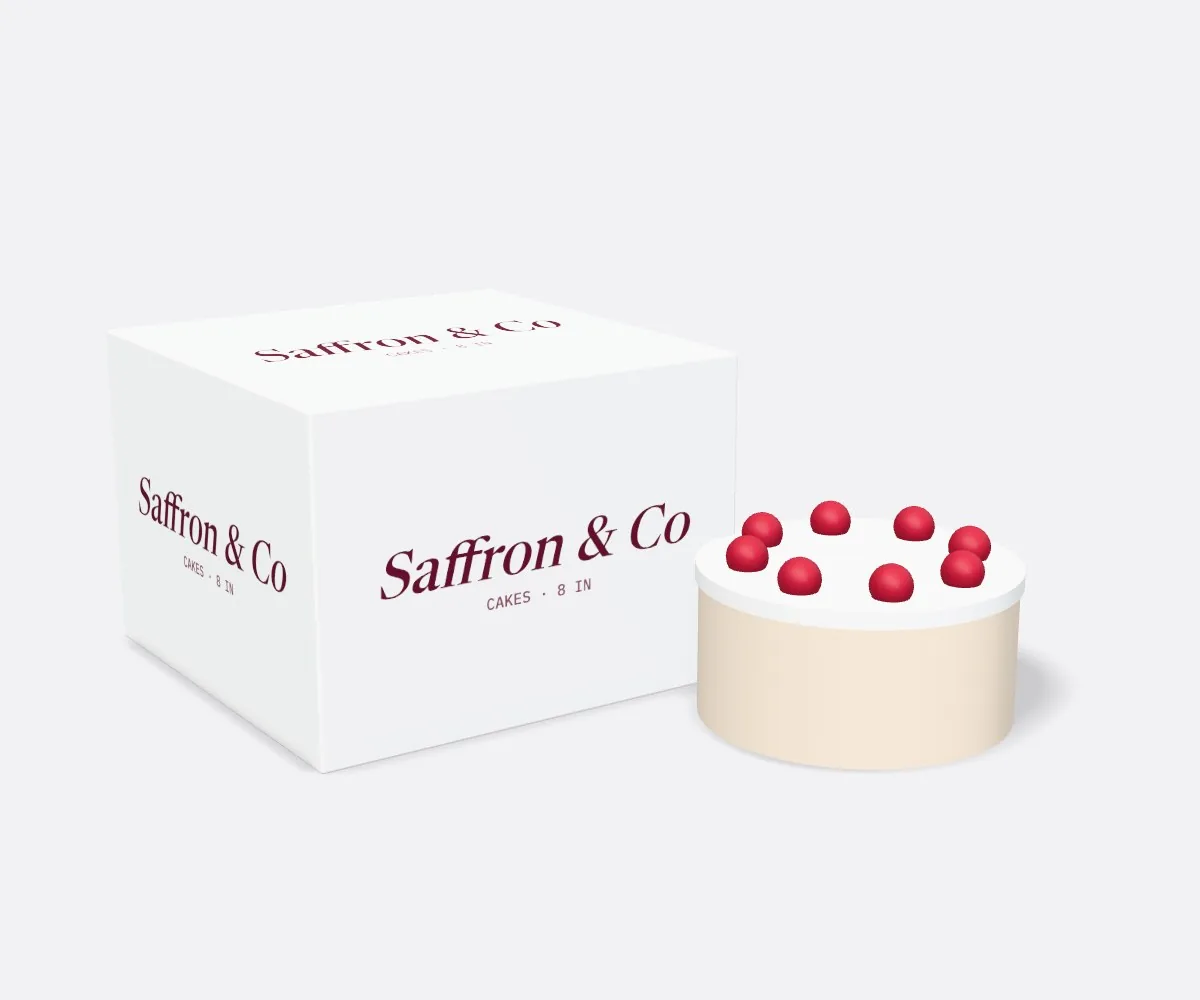
A built-in top handle on a custom gable box is super convenient for customers carrying a box out of your shop along with a cup of coffee. However, lifting a box by a top handle transfers the entire weight of the cake into pulling tension on the side walls and concentrates downward pressure on the center of the floor. For 4-inch Bento cakes, 6-inch round cakes on an 8-inch board, and light 8-inch single-layer sponge cakes under 4 pounds, an auto lock bottom gable carrier holds up wonderfully. Once a cake exceeds 4.5 to 5 pounds - such as a dense three-layer 8-inch mud cake, a 10-inch cake, a tall tiered cake, or a half-sheet cake - skip the top handle. When a customer swings a heavy cake by a single top handle, the box tilts as they walk and the cake can shift. Flat-top boxes force the customer to carry the box horizontally with two hands underneath the floor, which is the safest way for a heavy cake to travel.
Know your size? Compare pricing across up to 3 quantities.
Request a Quote →How do you stop cake boxes from softening in walk-in bakery coolers?
Most custom cake studios box their finished cakes several hours - or the night before - pickup and store them inside a 36°F to 40°F walk-in refrigerator at 75% to 85% relative humidity. Then, on a warm July afternoon, the customer carries that cold box out into humid 85°F air, immediately forming condensation droplets across the lid and sides. Raw uncoated paperboard absorbs cooler humidity and summer condensation, losing up to 30% to 40% of its crush stiffness right when the customer is loading the cake into their car. Adding an exterior matte or gloss lamination seals the outer surface of your white card or E-flute corrugated box so moisture cannot wick into the paper fibers. If you pack cake slices or Bento cakes directly on the floor without a foil drum, also request food-safe interior barrier materials on your quote so buttercream oils cannot spot the box from the inside.
How can bakeries keep custom cake box costs down across multiple sizes?
Because cake boxes have large flat surface areas, smart structural choices make a noticeable difference on your quote. First, print one or two bold Pantone spot colors on crisp white card or unbleached kraft instead of full four-color ink coverage across every square inch. Second, consolidate your heights: instead of stocking separate 10 × 10 × 5 in, 10 × 10 × 6 in, and 10 × 10 × 8 in boxes, standardize on one 10 × 10 × 6 in drop-front box for everyday orders and one tall two-piece telescopic box for special-event cakes. Remember that at CubitPack, design help, custom dielines, digital proofs, 3D mockups, dies, plates, and shipping to all 50 US states are all free, and your first order is 10% off.
- 1 or 2 Pantone spot colors: gives crisp patisserie branding across large cake panels without full-bleed ink coverage.
- Shared footprints: pair an 8 × 8 in box and a 10 × 10 in box in the same order to cover 6-inch and 8-inch rounds.
- Combo inserts: add a drop-in cardboard cupcake ring to your 10 × 10 in cake box so one box serves two uses.
- Zero die charges on windows: custom scalloped, oval, or arch windows cost no extra tooling fees.
What are the most common cake box material, window, and handle mistakes?
Avoid these five structural and finishing errors that cause sagging floors or collapsed lids
- Packing a heavy 6-pound 10-inch cake or half-sheet cake into thin single-ply paperboard instead of E-flute or B-flute corrugated board.
- Cutting an oversized wrap-around window closer than 3/4 inch to the vertical corner creases on a tall cake box.
- Adding a top carry handle to a heavy 10-inch or tiered cake box, which encourages customers to swing the cake with one hand.
- Storing unlaminated cake boxes overnight in a humid walk-in cooler where moisture softens the corner folds.
- Placing buttercream slices or Bento cakes directly onto unlined board without a parchment sheet or partner food-safe barrier.
Find your size
Suggested inside size: 5.5 × 5.5 × 3.5 in
A starting point. Your account manager confirms the size with you before the proof.
Quote this size →Packaging for this
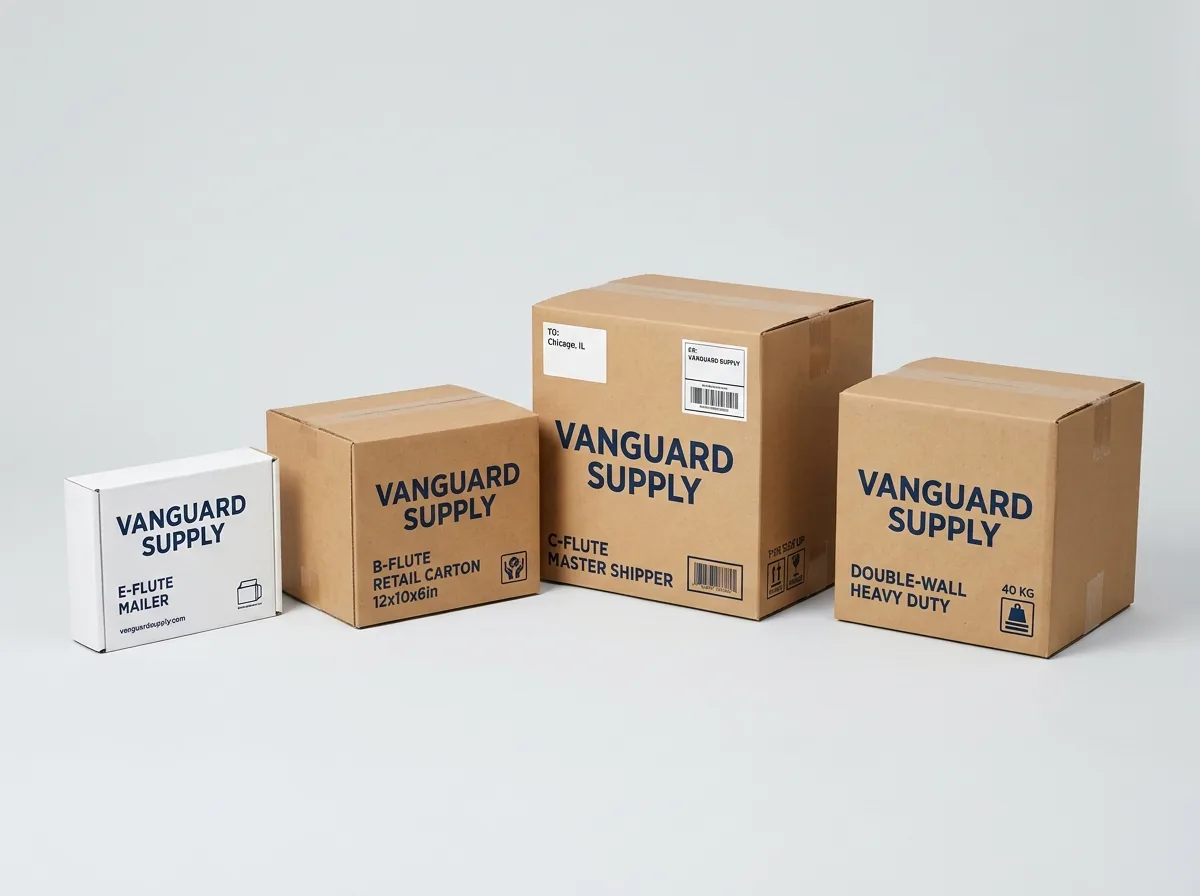
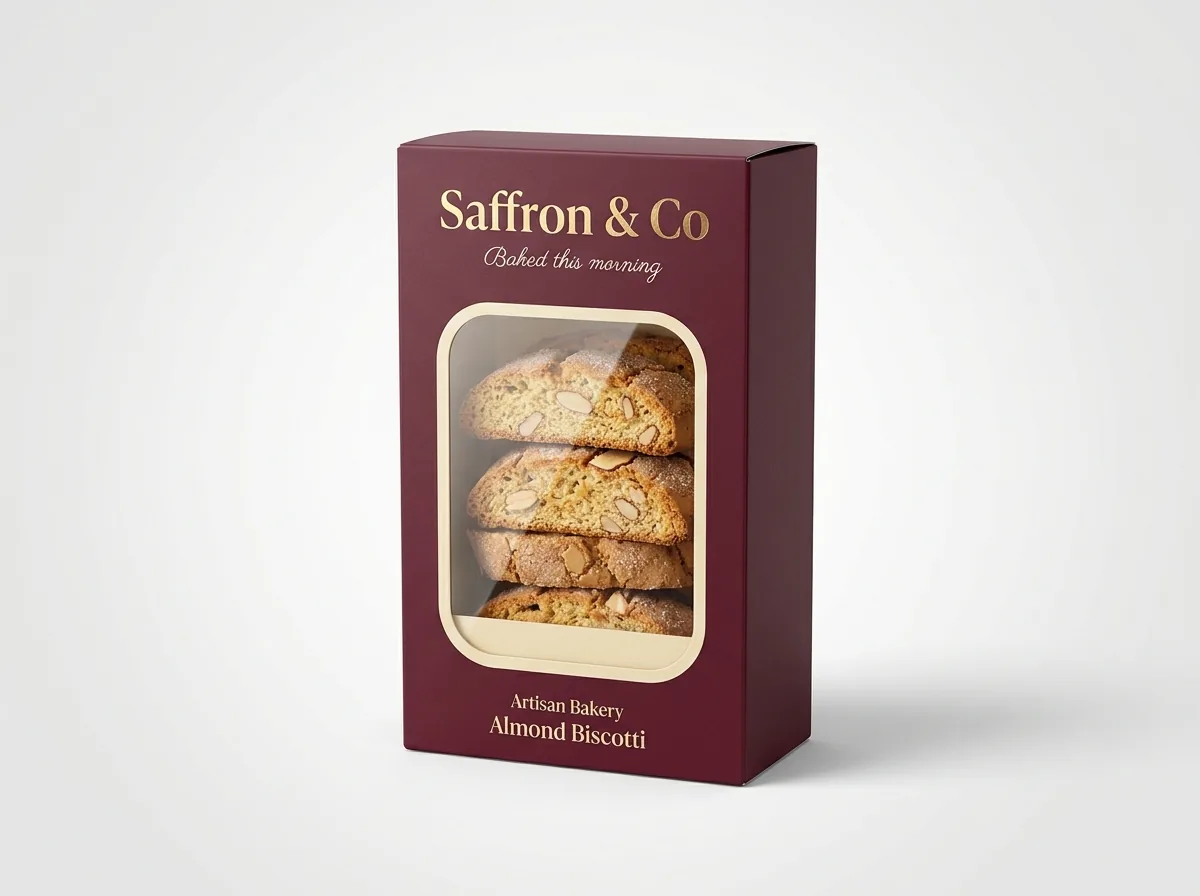
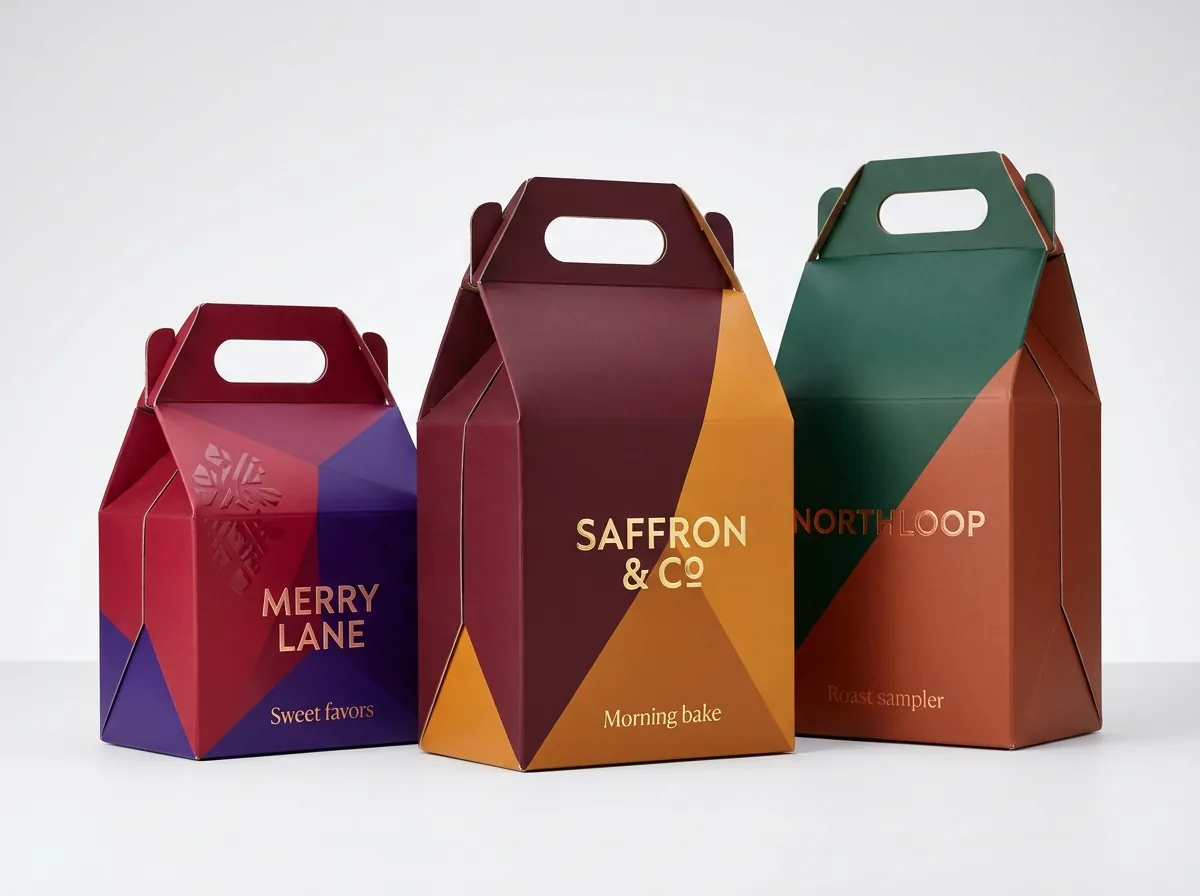
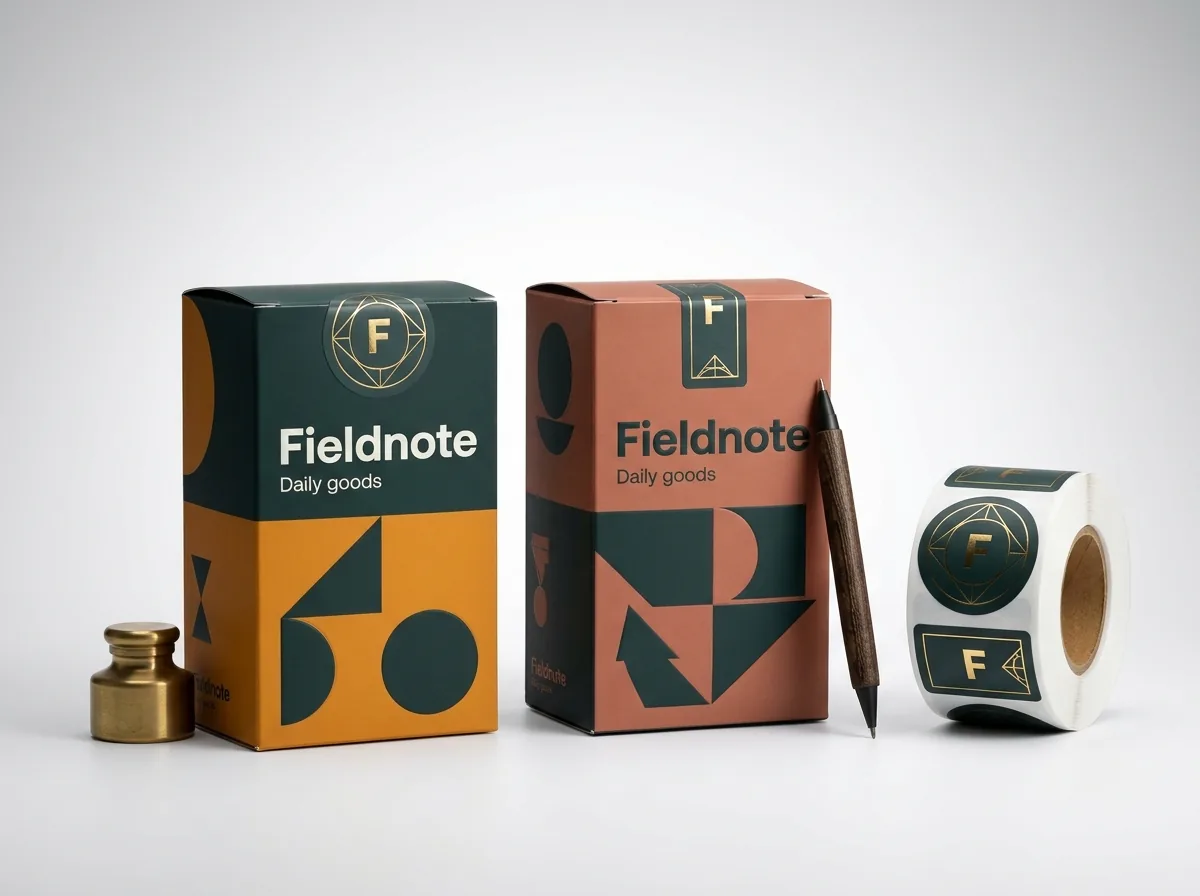
Ready to order cake boxes? Compare up to 3 quantities with a free 3D mockup.
Request a Quote →Questions about cake boxes
Can E-flute corrugated cake boxes still be printed in full color with foil or lamination?
Yes. E-flute corrugated board has a smooth outer white or kraft liner that prints crisp CMYK photography, Pantone spot colors, matte or gloss lamination, and metallic foil stamping, while hiding a strong 1/16 inch fluted core inside.
Do I still need a cake board or cake drum if I buy a corrugated cake box?
Yes. Every whole cake should sit on a rigid cake circle or 1/2-inch cake drum so you can slide the cake in and out of the box without bending the sponge, and so the drum spreads the cake's weight out to the four vertical box walls.
What keeps the clear window film from fogging up when a cold cake comes out of the fridge?
Allowing the cake box to sit at room temperature for a few minutes clears exterior condensation, and leaving small corner air gaps along the drop-front or tuck flaps lets cold humid air vent gently without drying out the buttercream.
Are food-safe cake box materials available if the cake touches the box directly?
Yes. When cake slices, Bento cakes, or frostings touch the board directly, request food-safe materials on your quote. We produce direct-contact orders in a certified partner facility and can share partner test certificates.
Does a scalloped or arch-shaped window cost more than a square window?
No. Because CubitPack charges zero die or plate fees, a custom scalloped, oval, heart, or arch window opening costs no more to cut than a plain rectangle.
Can I feel the difference between paperboard and E-flute corrugated before I order?
Yes. Order our $50 sample kit (credited toward your first order) to test our paperboard calipers, E-flute corrugated board, and matte/gloss laminations in person before approving your digital proof and 3D mockup.
Still have a question? Ask a packaging specialist.
Request a Quote →Request your cake boxes quote
Tell us your size and quantities, and one dedicated account manager prepares pricing for each tier.
- Free design & AI-to-print studio + 3D mockup
- No die or plate charges · 4–5 day rush available
- Free shipping to all 50 states
- 10% off your first order
The weight brackets, window border margins, and cooler lamination guidelines in this article draw from standard bakery structural packaging engineering and CubitPack's decided production rules. A packaging specialist checked every section. Spot an error? Let us know and we will fix it.
Sources
What changed
- October 22, 2026: First published.
- October 22, 2026: Updated specifications, terminology, and verified source links.
More guides
New packaging guides by email
Sizes, materials and design tips. Unsubscribe anytime.