
Corrugated clamshell vs paperboard burger boxes: which holds up?
Short answer: Choose folding paperboard or kraft card for wrapped smashburgers, sliders, drive-thru orders, and short takeaway trips where low unit cost and compact storage matter most. Upgrade your custom burger boxes to E-flute micro-corrugated board for heavy half-pound brioche burgers, burger-and-fry combo boxes, and 25-minute courier deliveries.
On this page
- How do folding paperboard and E-flute corrugated burger boxes compare
- When is folding paperboard or kraft card the smarter choice for burgers
- Why do heavy pub burgers and delivery apps need E-flute corrugated clamshells
- Flat-fold lock-corner vs pre-glued nested clamshells: which fits your grill line
- Can you mix paperboard and corrugated boxes across your burger menu
- Common mistakes
- FAQs
Request a custom quoteFree dieline & 3D mockup
The choice between folding paperboard and E-flute corrugated board comes down to three variables on your line: how heavy and saucy your burger is, whether you wrap it in paper or foil first, and how many minutes it spends stacked at the bottom of a delivery bag. Single-sheet folding paperboard (solid white card or unbleached kraft) is thin, crisp to print, economical at scale, and ideal when a 4-inch smashburger is wrapped in greaseproof paper and eaten within 10 to 15 minutes. E-flute micro-corrugated board sandwiches a 1/16-inch fluted medium between two linerboards, creating tiny air pockets that insulate hot patties, resist softening from rising steam, and support three or four heavy meals stacked on top of each other inside an insulated bike or car courier bag. Both options start at 1,000 boxes at CubitPack with free design help and zero die fees.
How do folding paperboard and E-flute corrugated burger boxes compare?
Both paperboard and E-flute corrugated clamshells can be printed with your restaurant logo, Pantone spot colors, and inside-lid slogans starting at 1,000 units with zero die charges. The structural difference is how the walls behave once a 165-degree burger goes inside and the box is sealed. When you hold a folding paperboard burger box in your hand, you are holding a single solid sheet of virgin wood-pulp card or unbleached kraft fiber scored to fold at the corners. When you hold an E-flute corrugated clamshell, you are holding a three-layer structural panel: an outer linerboard for printing, a wave-shaped fluted medium in the center that acts like a miniature arch bridge, and an inner linerboard facing the burger. Use the side-by-side matrix below to match each board stock to your menu weight, service model, and back-of-house storage shelf space.
| Performance factor | Folding paperboard / kraft card | E-flute micro-corrugated board |
|---|---|---|
| Wall construction | Single solid sheet of paperboard or kraft | 3-layer sandwich with 90 flutes per foot |
| Best burger types | Sliders, wrapped single/double smashburgers | Half-pound brioche burgers, fried chicken, combos |
| Heat insulation (20–30 min) | Moderate (best paired with foil/paper wrap) | High (fluted air channels trap warmth) |
| Steam & wet-crush resistance | Softens if unwrapped burger steams for 25+ min | Stays rigid even under heavy steam |
| Delivery bag stack load | Top of bag or 2 boxes high | Bottom of bag; holds 4 to 5 stacked boxes |
| Print surface quality | Ultra-smooth for fine type and halftone art | Clean direct print or litho-laminated graphics |
| Case storage footprint | Very compact (thin flat sheets or tight nests) | Takes roughly 2× more shelf height per 1,000 units |
| Relative unit cost | Lower per-box cost at every quantity tier | Slightly higher per-box board cost |
When is folding paperboard or kraft card the smarter choice for burgers?
If you run a high-volume smashburger counter, stadium stand, drive-thru, or food truck where cooks wrap every burger in a sheet of custom butter paper or foil before dropping it into the box, folding paperboard does the job cleanly at a lower unit cost. The inner paper wrap acts as both your primary grease barrier and your heat blanket, while the outer paperboard clamshell protects the bun from getting squashed in the customer's hand or paper bag. Paperboard is also the clear winner when under-counter storage space is tight. In a 16-foot food truck or a compact ghost kitchen station, 1,000 flat-packed paperboard burger boxes take up roughly half the vertical carton height of 1,000 corrugated boxes. Plus, solid white card and unbleached custom kraft boxes fold sharply along small score lines, making them ideal for compact 3.75-inch slider clamshells and narrow 9.25 × 3.75 inch three-slider flight boxes where thick corrugated flutes would feel bulky.
Why do heavy pub burgers and delivery apps need E-flute corrugated clamshells?
Third-party courier delivery is brutal on takeout packaging. A driver picks up a four-person family order, stacks four burger boxes vertically inside a zippered thermal bag, sets a bag of french fries on top, and drives for 22 minutes across town. Inside that closed bag, relative humidity climbs above 85% as hot steam rises off the patties. Under high humidity, single-ply paperboard absorbs moisture and loses up to half of its vertical compression strength, which is why the bottom box in a stack often arrives buckled with cheese stuck to the roof of the lid. Custom corrugated boxes built from E-flute board solve both problems at once. The 1/16-inch fluted medium acts like a miniature I-beam around all four walls of the clamshell, supporting stacked meal weight even when the interior air is warm and humid, while the dead-air pockets inside the flutes keep a thick brioche burger noticeably hotter at the doorstep.
- Unwrapped gourmet burgers: E-flute floor stays flat under 10 to 14 oz of beef, bacon, and brioche.
- Burger + fry combo boxes (8.5 × 5.25 in): wide spans require corrugated stiffness so the tray never sags in the middle.
- 20 to 35 minute delivery radii: fluted walls insulate heat without needing foam containers.
- Multi-box bag stacks: bottom clamshells resist corner buckling under three or four upper entrees.
Know your size? Compare pricing across up to 3 quantities.
Request a Quote →Flat-fold lock-corner vs pre-glued nested clamshells: which fits your grill line?
Regardless of whether you choose paperboard or E-flute corrugated, you also choose how your custom printed burger boxes arrive in the master shipping carton: flat-packed with lock-corners, or pre-glued and tapered so they nest inside one another in tall sleeves. Flat-fold lock-corner boxes ship completely flat, packing maximum quantity into every master case so you save back-of-house shelf space. During prep before the lunch rush, a kitchen team member folds the four corner tabs into their slots to pre-build a stack of boxes for the pass. Pre-glued tapered clamshells (or auto-pop styles) cost slightly more to manufacture and ship in bulkier sleeves, but a line cook can grab a shell off the stack, drop the burger in, and snap the front tab shut in two seconds flat during a 200-ticket Friday night rush. If your kitchen is short on prep labor during peak dinner hours, four-corner glued nested shells pay for their extra shelf space in line speed alone.
What are the most common mistakes when choosing burger box board?
Avoid these five material and structural mismatches before ordering your custom burger clamshells
- Using thin unlined paperboard for heavy, unwrapped half-pound burgers that travel 25 minutes in a humid delivery bag.
- Ordering wide 8.5 × 5.25 inch burger-and-fry combo boxes in thin card that bows in the center when lifted with one hand.
- Over-specifying thick B-flute shipping corrugated for small 4.5-inch burger clamshells, when thin E-flute folds cleaner and takes half the storage space.
- Forgetting to check back-of-house shelf space before ordering 10,000 pre-glued nested corrugated clamshells for a tiny food truck.
- Skipping a grease barrier or inner butter paper sheet when packing buttery brioche buns directly against uncoated board.
Find your size
Suggested inside size: 3.75 × 3.75 × 2.75 in
A starting point. Your account manager confirms the size with you before the proof.
Quote this size →Packaging for this
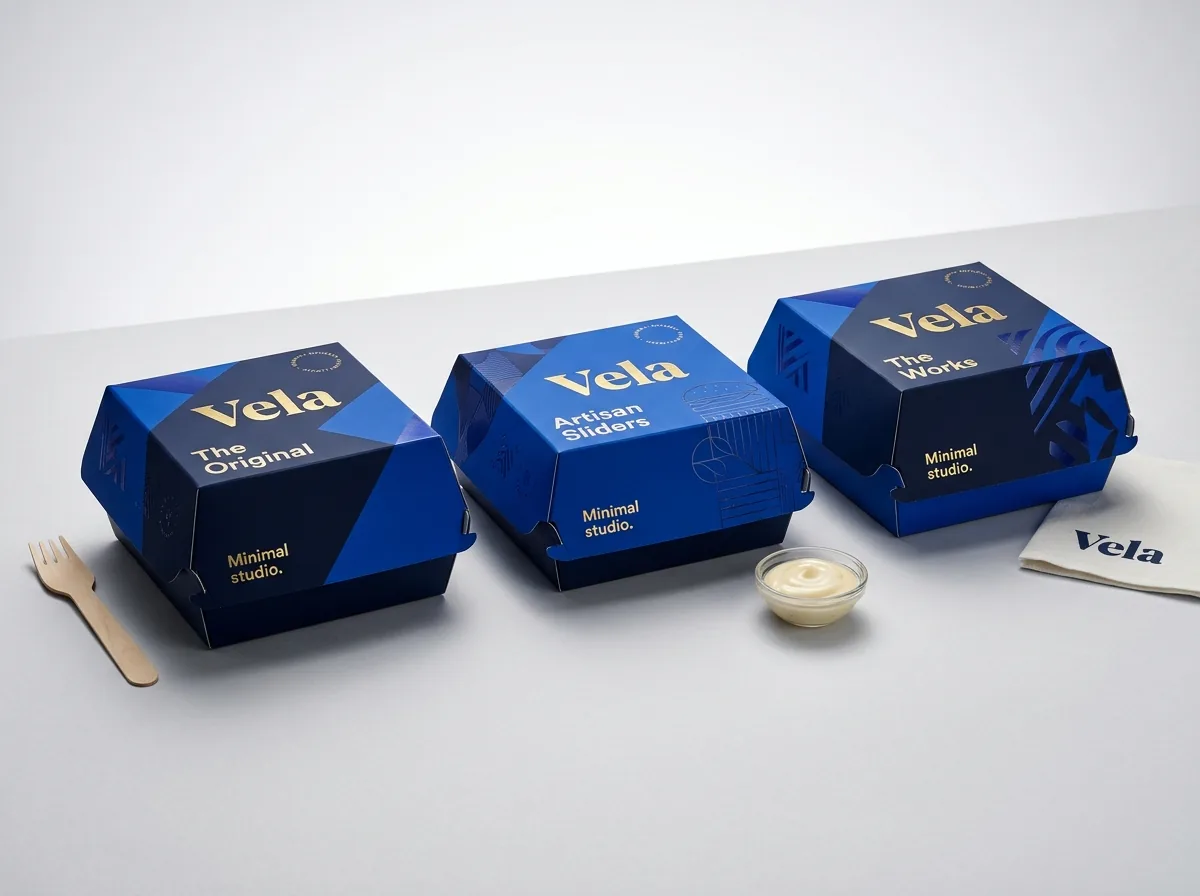
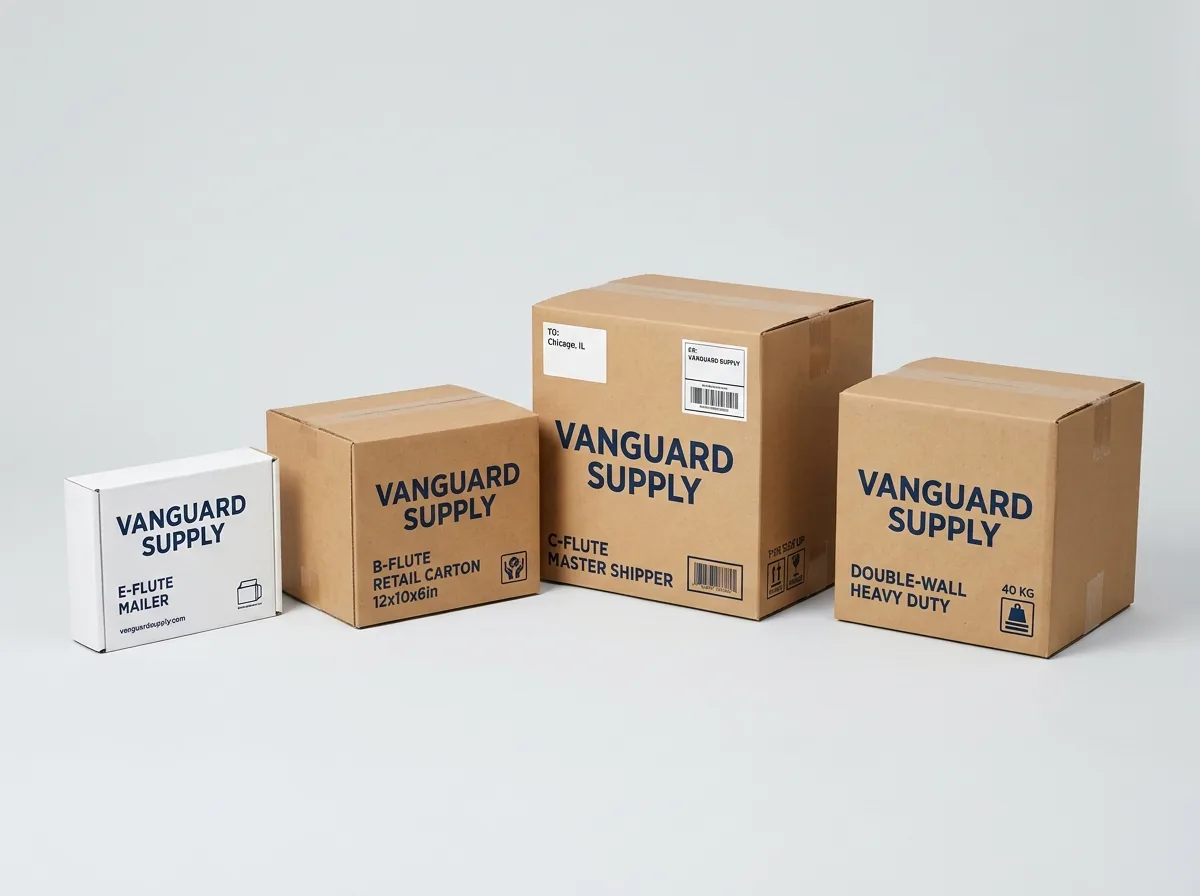
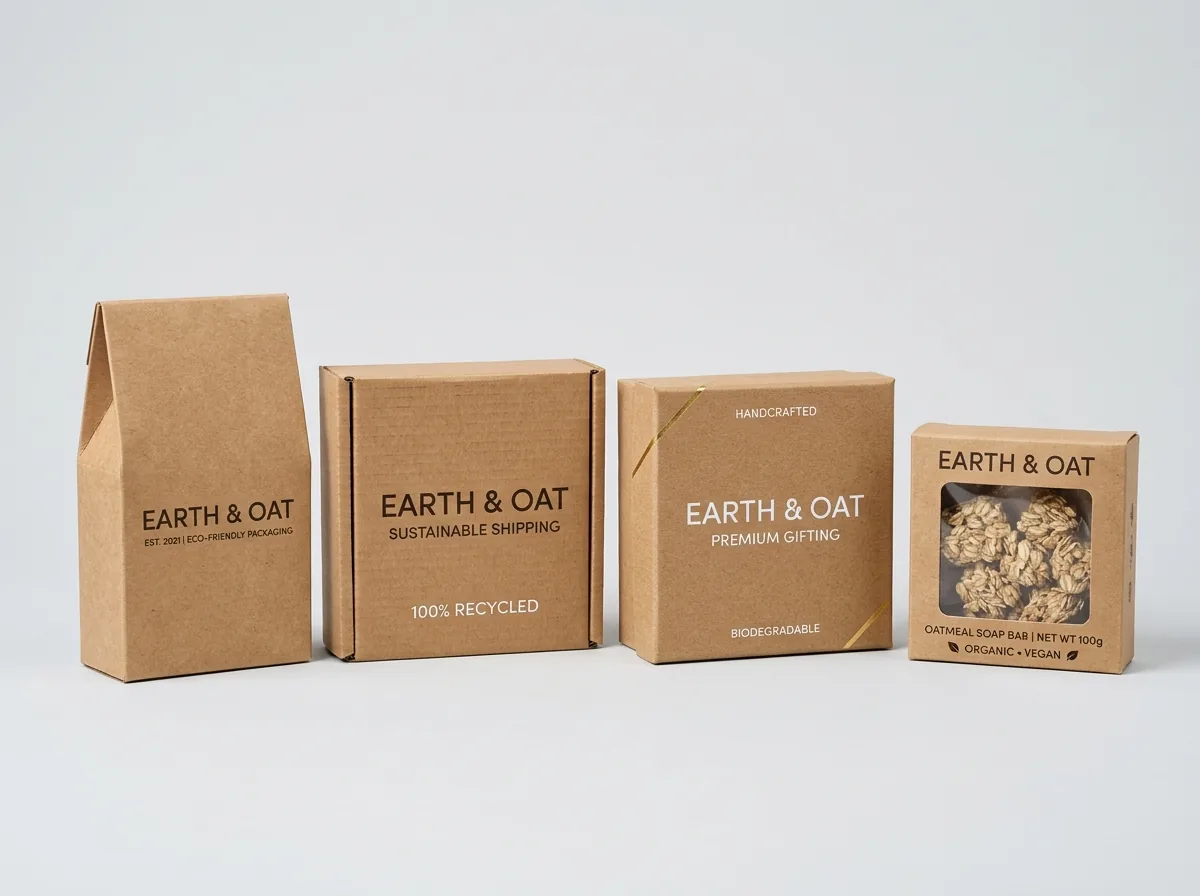
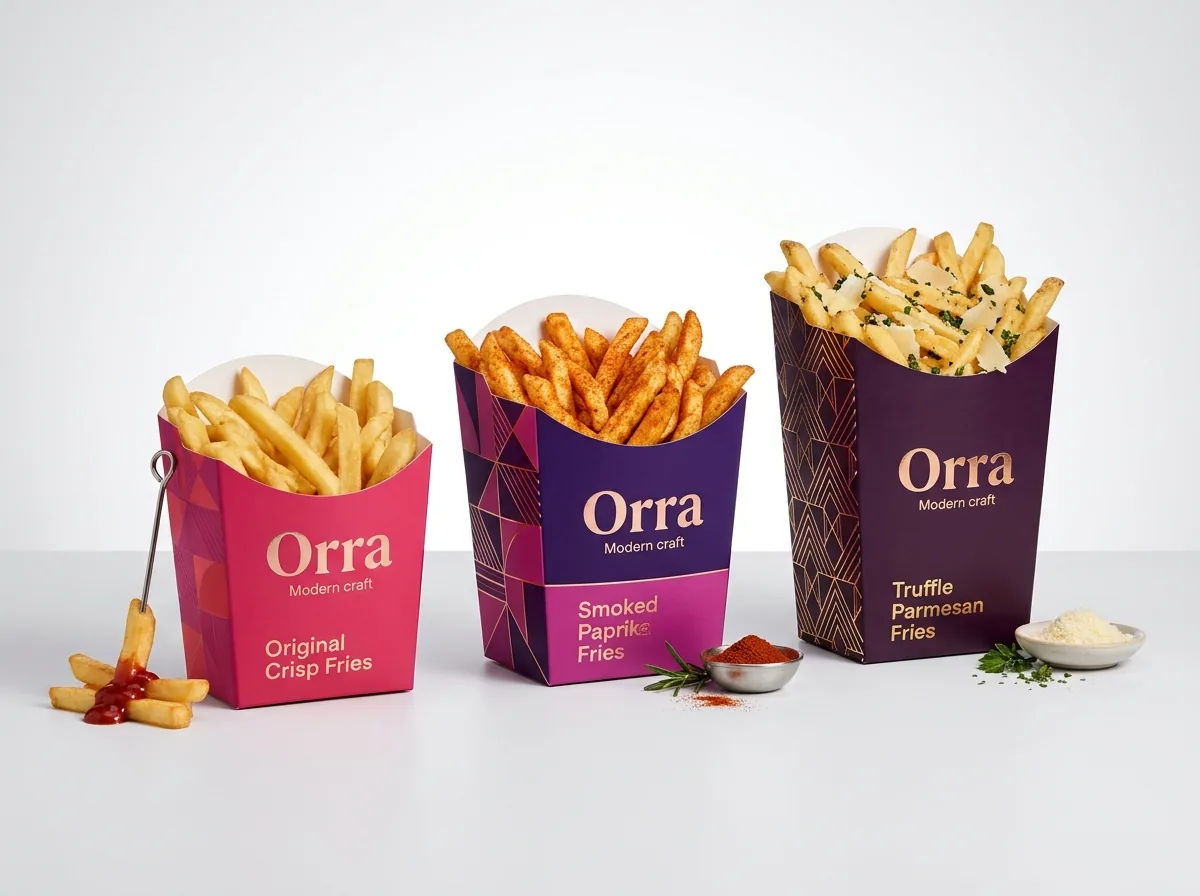
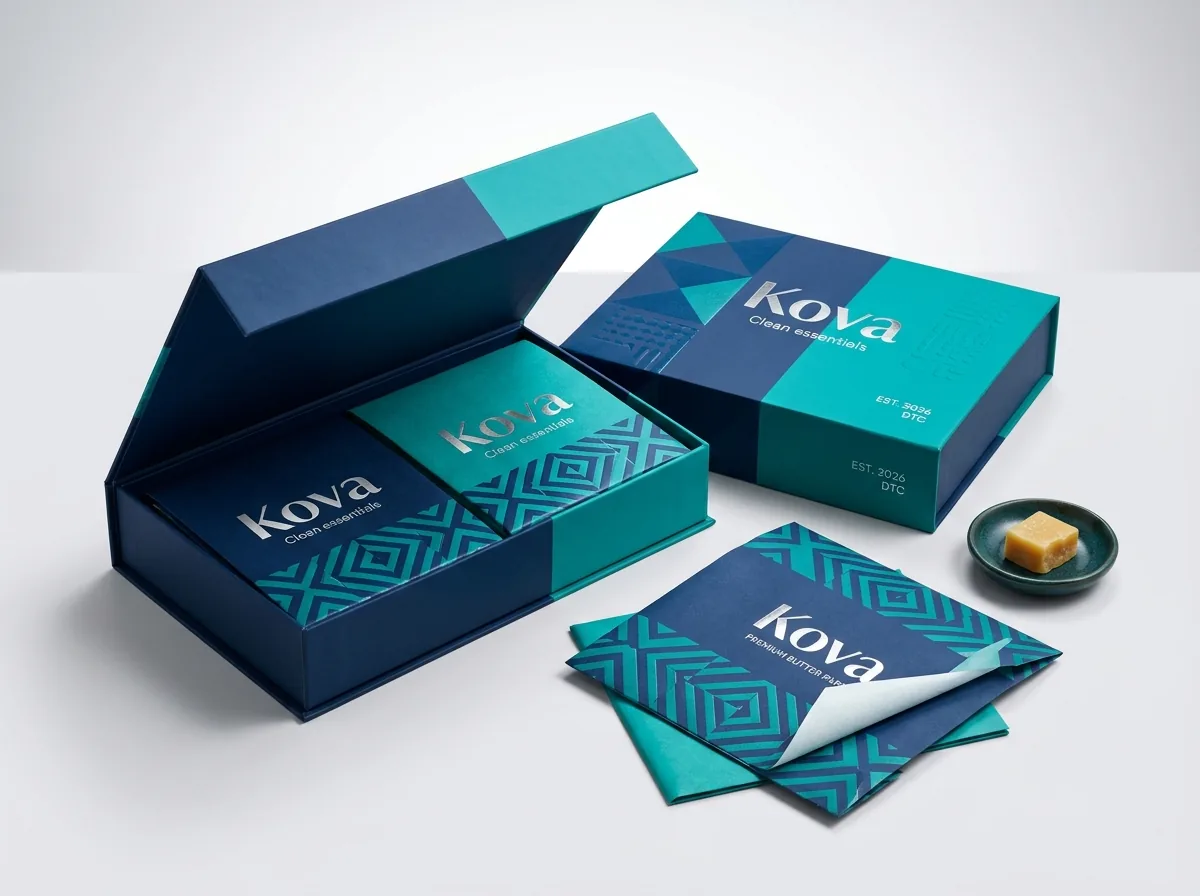
Ready to order burger boxes? Compare up to 3 quantities with a free 3D mockup.
Request a Quote →Questions about burger boxes
What is E-flute corrugated board and why is it used for burger boxes?
E-flute is a thin, high-density corrugated board (about 1/16 inch thick with 90 flutes per linear foot). It is thin enough to fold neatly into a 4.5 or 5.25 inch hinged burger clamshell and print cleanly, while its fluted core insulates heat and prevents crushing in delivery bags.
Is folding paperboard strong enough for double smashburgers?
Yes, especially when you wrap the smashburger in foil or custom butter paper first. The wrap contains the melted cheese and steam, allowing a sturdy kraft or white card clamshell to protect the bun for dine-in, drive-thru, and short takeaway orders at a lower unit cost.
How much more storage space do E-flute corrugated burger boxes take?
When shipped flat, 1,000 E-flute corrugated burger boxes take roughly 1.8 to 2 times the vertical case height of 1,000 folding paperboard boxes. If your kitchen has limited shelf space, ask your account manager to quote both boards or split deliveries.
Can you match the exact same Pantone color on both paperboard and corrugated boxes?
Yes. CubitPack guarantees Pantone (PMS) color matching. If you use E-flute corrugated for your large pub burgers and folding paperboard for your sliders and french fry scoops, we match your ink across all three items.
Are food-safe and grease-resistant boards available in both paperboard and E-flute?
Yes. Food-safe materials and grease-resistant interior barriers are available on request for both folding paperboard and E-flute corrugated burger boxes through our certified partner facilities.
Can I hold both paperboard and E-flute corrugated samples before ordering?
Yes. Order our $50 sample kit (credited toward your first box order) to feel paperboard, kraft, and E-flute corrugated stocks in person, or request a custom printed prototype at your exact burger dimensions before full production.
Still have a question? Ask a packaging specialist.
Request a Quote →Request your burger boxes quote
Tell us your size and quantities, and one dedicated account manager prepares pricing for each tier.
- Free design & AI-to-print studio + 3D mockup
- No die or plate charges · 4–5 day rush available
- Free shipping to all 50 states
- 10% off your first order
The structural comparisons between solid folding paperboard and E-flute micro-corrugated board in this guide follow TAPPI board flute specifications and courier bag stacking tests. A CubitPack packaging specialist reviewed every section. Spot an error? Let us know and we will fix it.
Sources
What changed
- October 22, 2026: First published.
- October 22, 2026: Updated specifications, terminology, and verified source links.
More guides
New packaging guides by email
Sizes, materials and design tips. Unsubscribe anytime.