
Coated artboard vs heavy uncoated card for custom luxury shopping bags: which feels more upscale?
Short answer: For custom luxury shopping bags, choose film-laminated C1S coated artboard when your design uses full-bleed dark colors, soft-touch texture, spot UV or moisture resistance; choose heavy uncoated or pulp-dyed cardstock when you want a raw, tactile architectural paper grain with deep blind embossing and effortless curbside recyclability.
On this page
- How do laminated coated artboard and heavy uncoated card compare
- Why do dark luxury bags need film lamination or pulp-dyed board
- How do foil stamping, embossing and spot UV behave on each stock
- How should you match your bag board to your rigid boxes and handles
- How can you compare coated and uncoated luxury bag stocks in person
- Common mistakes
- FAQs
Request a custom quoteFree dieline & 3D mockup
Boutique Euro-totes are built from two distinct families of heavy paperboard: clay-coated C1S (coated one side) artboard paired with matte, gloss or soft-touch film lamination, and heavy unlaminated uncoated cardstock (including natural white, pulp-dyed black or color card, and heavyweight kraft). Film-laminated C1S artboard is the industry standard for saturated Pantone flood colors, photographic graphics and high-traffic retail bags because the flexible BOPP lamination film bridges every 90-degree vertical score line so dark ink never cracks or rubs off on clothing. Heavy uncoated cardstock, by contrast, leaves the raw cotton-like paper fibers exposed to the fingertips, takes deep sculptural blind embossing and hot foil stamping cleanly, and avoids plastic film lamination for fashion, skincare, candle and jewelry brands that prioritize single-material paper recyclability and an organic architectural surface grain at the cash wrap. Every order includes a free dieline check and a 3D digital proof before production starts.
How do laminated coated artboard and heavy uncoated card compare?
When you specify custom luxury Euro-tote shopping bags, choosing between coated artboard and heavy uncoated cardstock changes how ink sits on the sheet, how the vertical corners fold, and how the surface feels when a client carries the bag out of your showroom. Coated C1S artboard has a smooth clay-coated outer surface designed to hold razor-sharp CMYK dots, solid Pantone floods and a thin heat-bonded film lamination (soft-touch, anti-scratch matte or high gloss). Uncoated specialty cardstock has an open, porous fiber surface with a warm organic tooth that absorbs ink slightly and showcases the natural grain of the paperboard. When planning your custom luxury shopping bags specification, always measure the primary container or product with digital calipers across length, width, and height before locking the dieline. Adding the right internal clearance prevents scuffing during fulfillment while keeping outer shipping carton volume low.
| Feature | Laminated C1S coated artboard | Heavy uncoated / dyed cardstock |
|---|---|---|
| Tactile surface feel | Velvety soft-touch, silky matte or mirror gloss | Warm, dry, architectural paper tooth and fiber grain |
| Dark flood ink at folds | Film bridges score lines; zero corner cracking | Printed dark floods can crack at folds; use pulp-dyed card for dark colors |
| Water & scuff resistance | Wipes clean; resists rain droplets and hip friction | Absorbs moisture; requires matte varnish to reduce ink rub |
| Foil stamping & embossing | Crisp metallic foil + high-contrast spot UV | Deep, sculptural blind embossing and letterpress-style foil |
| End-of-life recycling | Requires film separation in some municipal streams | Film-free paperboard; simplest curbside recycling when paired with paper/cotton cords |
| Best retail match | Jewelry, perfumery, cosmetics, footwear flagships | Apothecaries, art galleries, quiet-luxury fashion, home studios |
Why do dark luxury bags need film lamination or pulp-dyed board?
Every luxury shopping bag has four vertical corner scores, two inward side-gusset pleats, a 180-degree top turn-top fold, and four heavy bottom-flap creases. When you print a deep black, midnight navy, forest green or burgundy ink flood onto white coated paperboard and fold it 180 degrees without lamination, the brittle ink layer stretches over the outer radius of the crease and exposes a hairline crack of white paper fiber underneath. Laminating C1S coated artboard with a thin matte, gloss or soft-touch film solves corner cracking completely: the elastic film holds the ink pigment together across every fold and prevents dark ink from rubbing onto a customer's trench coat or dress. What if you want a deep black or forest green bag with an unlaminated, raw paper feel? Instead of printing dark ink over white uncoated card, ask for pulp-dyed cardstock (where the paper fibers are dyed all the way through the core at the mill) so even a sharp crease shows the exact same dark shade.
- Full-bleed dark Pantone or CMYK on white board: always pair with matte, gloss or soft-touch film lamination.
- Light background with a centered logo (under 25% ink coverage): works cleanly on either laminated artboard or unlaminated uncoated card.
- Dark unlaminated bag: specify through-dyed cardstock stamped with metallic or pigment foil.
How do foil stamping, embossing and spot UV behave on each stock?
Your choice of special finishes often decides the board stock for you. If your design relies on tone-on-tone Spot UV (for example, a glossy repeating monogram pattern over a dead-matte background), you must choose laminated coated artboard. Uncoated paper absorbs liquid UV varnish into its open fibers, which reduces the gloss contrast against the background. Conversely, if your brand aesthetic calls for a deep, crisp blind emboss or deboss that looks carved into stone, heavy 230 to 300 GSM uncoated cardstock compresses under the brass die with dramatic shadow definition. Hot foil stamping works cleanly on both substrates: on soft-touch laminated artboard, gold or silver foil creates a jewel-like mirror contrast against the velvety film; on textured uncoated card, foil sinks slightly into the paper grain like traditional letterpress printing. When combining blind embossing with hot foil stamping (known as foil-embossing) on a turn-top Euro-tote, the press operators adjust die pressure to match the caliper of your chosen board so the internal reverse impression stays crisp without tearing the back fiber layer.
- Soft-touch laminated C1S + metallic hot foil: high-contrast mirror shine against a velvet-matte background.
- Matte laminated C1S + gloss Spot UV pattern: subtle tone-on-tone sheen on side gussets or front panels.
- Heavy uncoated card + deep blind emboss or deboss: tactile architectural relief with zero plastic film.
- Through-dyed dark card + matte or metallic foil: rich dark walls with zero fold-line cracking.
Know your size? Compare pricing across up to 3 quantities.
Request a Quote →How should you match your bag board to your rigid boxes and handles?
A luxury shopping bag rarely works alone; it carries your custom rigid boxes, custom magnetic closure boxes or folding cartons and frames a cloud of custom tissue paper. For the most cohesive presentation at the cash wrap, match the surface finish of your bag to the wrap paper on your rigid boxes. If your jewelry or fragrance boxes are wrapped in soft-touch laminated art paper with gold foil, build your Euro-tote from soft-touch laminated C1S artboard with hidden slot-glued satin or grosgrain ribbons. If your skincare or candle line uses tactile uncoated cartons or custom kraft paper bags, pair a heavy uncoated cardstock tote with braided cotton rope or herringbone cotton twill ribbon handles so the textile weave echoes the natural paper grain.
- Laminated artboard handles: double-faced satin ribbon, fine grosgrain ribbon, or sleek polypropylene cord.
- Uncoated cardstock handles: unbleached or dyed braided cotton rope, herringbone cotton twill tape, or grosgrain.
- Hardware pairing: hidden J-slot ribbon anchors keep minimalist bags clean, while brass or matte-black eyelets accent rope totes.
How can you compare coated and uncoated luxury bag stocks in person?
Screen renders cannot convey the velvet drag of soft-touch lamination or the crisp dry tooth of heavy uncoated cardstock. Every CubitPack quote includes a free 2D dieline proof and 3D mockup before payment, and we guarantee our Pantone color match. To hold real board stocks, lamination films and ribbon textures in your hands before committing to a full production run, order our $50 sample kit or request a paid custom prototype printed on your chosen stock; both are credited toward your full order.
- Request FSC paperboard on your quote if your brand mandates certified fiber sourcing through our partner facilities.
- Compare soft-touch, anti-scratch matte and uncoated swatches side by side under your boutique's actual store lighting.
- Test-load your heaviest glass jar or rigid box onto the baseboard stiffener before locking GSM weight.
What are the most common material mistakes on luxury shopping bags?
Five substrate and finish mismatches can spoil an otherwise thoughtful boutique bag design
- Printing a heavy dark ink flood on white board without film lamination, leading to white fiber cracks along the four vertical corner scores.
- Specifying glossy Spot UV over porous uncoated cardstock without a matte laminated base, which causes the UV coat to sink in and lose contrast.
- Choosing thin grocery-weight paper (<150 GSM) for a turn-top ribbon bag, leaving the walls floppy and showing glue dots through the face.
- Pairing an unlaminated dark uncoated bag with rainy street use without adding a protective matte varnish to prevent dye transfer onto wet coats.
- Using Pantone Coated (C) color expectations when printing on absorbent uncoated cardstock without checking the Pantone Uncoated (U) swatch.
Packaging for this
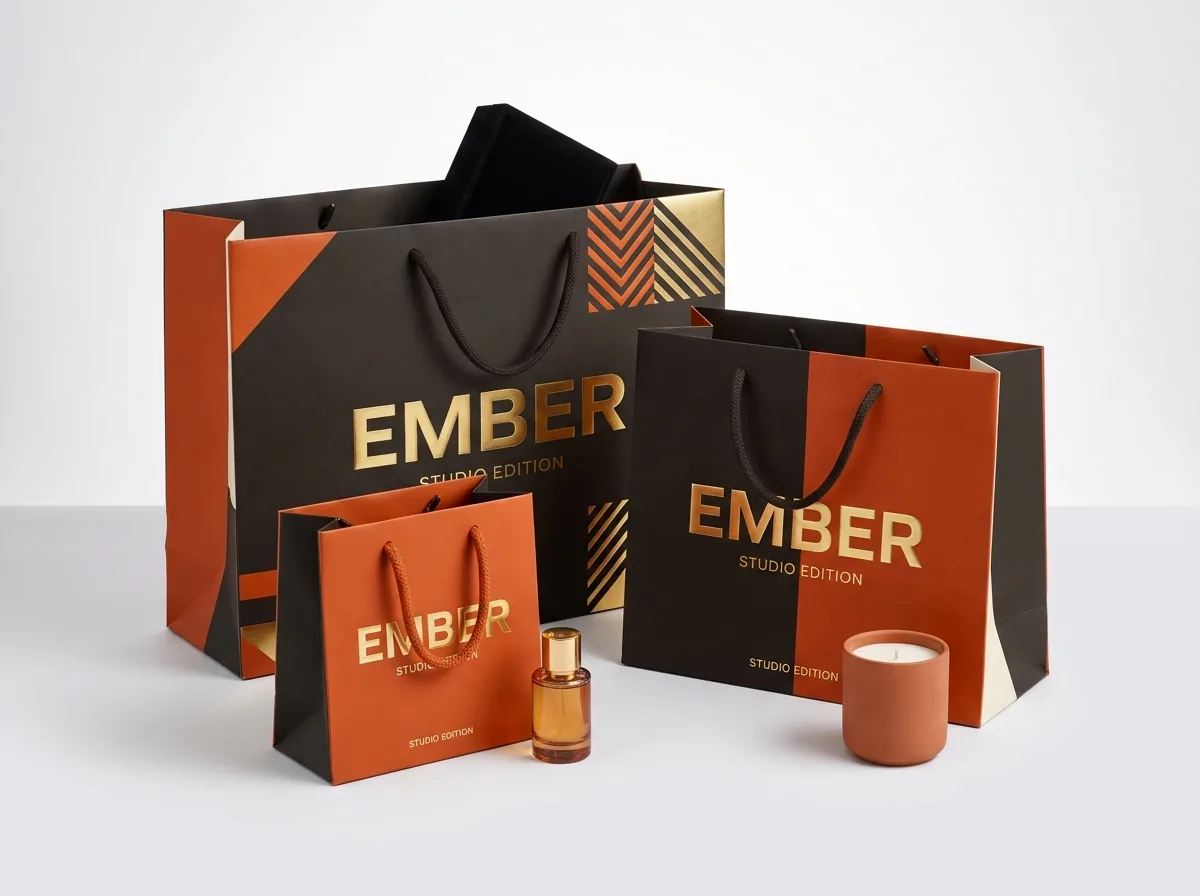
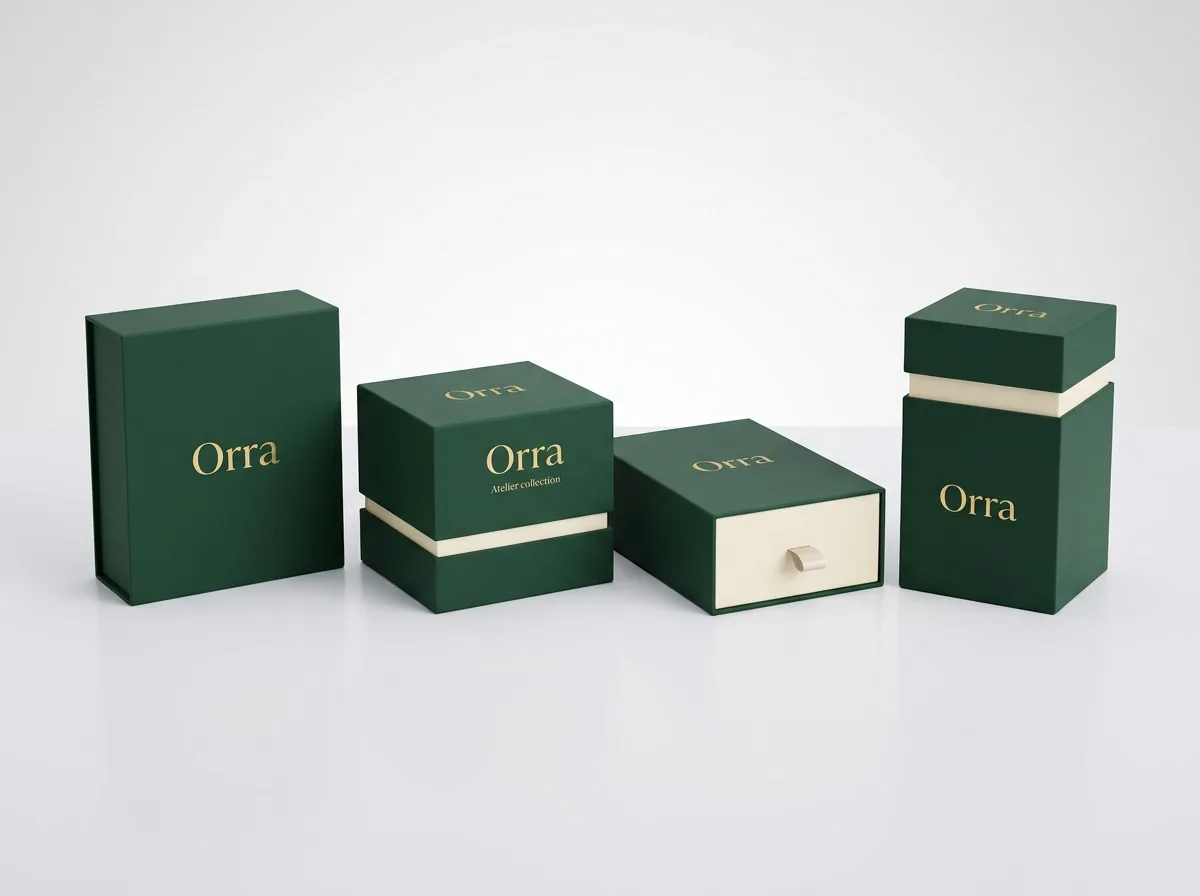

Ready to order luxury shopping bags? Compare up to 3 quantities with a free 3D mockup.
Request a Quote →Questions about luxury shopping bags
What is C1S coated artboard and why is it used for luxury shopping bags?
C1S stands for Coated One Side. The exterior face has a smooth clay coating that produces razor-sharp printing and bonds cleanly with matte, gloss or soft-touch lamination film, while the uncoated interior face absorbs structural glue strongly at the side seam, turn-top collar and bottom flaps.
What paper weight (GSM) suits a custom luxury Euro-tote?
Most luxury Euro-totes use 190 to 250 GSM C1S coated artboard or 210 to 300 GSM heavy uncoated cardstock, paired with 350 to 450 GSM chipboard (gray board) header strips and a bottom baseboard stiffener. Every order includes a free digital proof, 3D mockup, no die or plate charges, and free delivery to all 50 US states with a 5-7-minute quote response.
Can I get a dark black or navy luxury bag without plastic lamination?
Yes. Instead of printing dark ink over white paper (which cracks at the folds without lamination), we can build your bag from through-dyed uncoated cardstock and brand it with hot metallic or matte pigment foil stamping.
Does soft-touch lamination change the color of my Pantone ink?
Matte and soft-touch films diffuse light slightly, which softens glare and makes colors appear slightly deeper and calmer than high-gloss lamination. Our prepress team compensates for lamination shift so your finished bag matches your approved Pantone target. Every order includes a free digital proof, 3D mockup, no die or plate charges, and free delivery to all 50 US states with a 5-7-minute quote response.
Which luxury bag material is easiest to recycle?
An unlaminated heavy uncoated or kraft cardstock bag paired with twisted paper cords or knotted cotton ropes and a removable cardboard baseboard is 100% fiber-based and simplest for curbside paper recycling. Every order includes a free digital proof, 3D mockup, no die or plate charges, and free delivery to all 50 US states with a 5-7-minute quote response.
Are FSC paperboard stocks available for custom luxury shopping bags?
Yes. FSC paperboard and ISO 9001 production are available on request through our certified partner facilities, and we share certificates on request. Just note FSC paperboard in your quote notes. Every order includes a free digital proof, 3D mockup, no die or plate charges, and free delivery to all 50 US states with a 5-7-minute quote response.
Still have a question? Ask a packaging specialist.
Request a Quote →Request your luxury shopping bags quote
Tell us your size and quantities, and one dedicated account manager prepares pricing for each tier.
- Free design & AI-to-print studio + 3D mockup
- No die or plate charges · 4–5 day rush available
- Free shipping to all 50 states
- 10% off your first order
The substrate comparisons, score-cracking physics and finish compatibility rules in this guide are based on standard C1S artboard and uncoated paperboard converting practices. A CubitPack packaging specialist reviewed every row. Spot something wrong? Tell us and we will fix it.
Sources
What changed
- October 22, 2026: First published.
- October 22, 2026: Updated specifications, terminology, and verified source links.
More guides
New packaging guides by email
Sizes, materials and design tips. Unsubscribe anytime.