
How do you keep pastries crisp and grease-free in custom boxes?
Short answer: Pair food-safe interior grease barriers or custom butter paper sheets with subtle side steam vents. In custom pastry boxes, an interior barrier stops butter from soaking into the paperboard floor, while small die-cut vents let warm vapor escape before it condenses and softens flaky crusts.
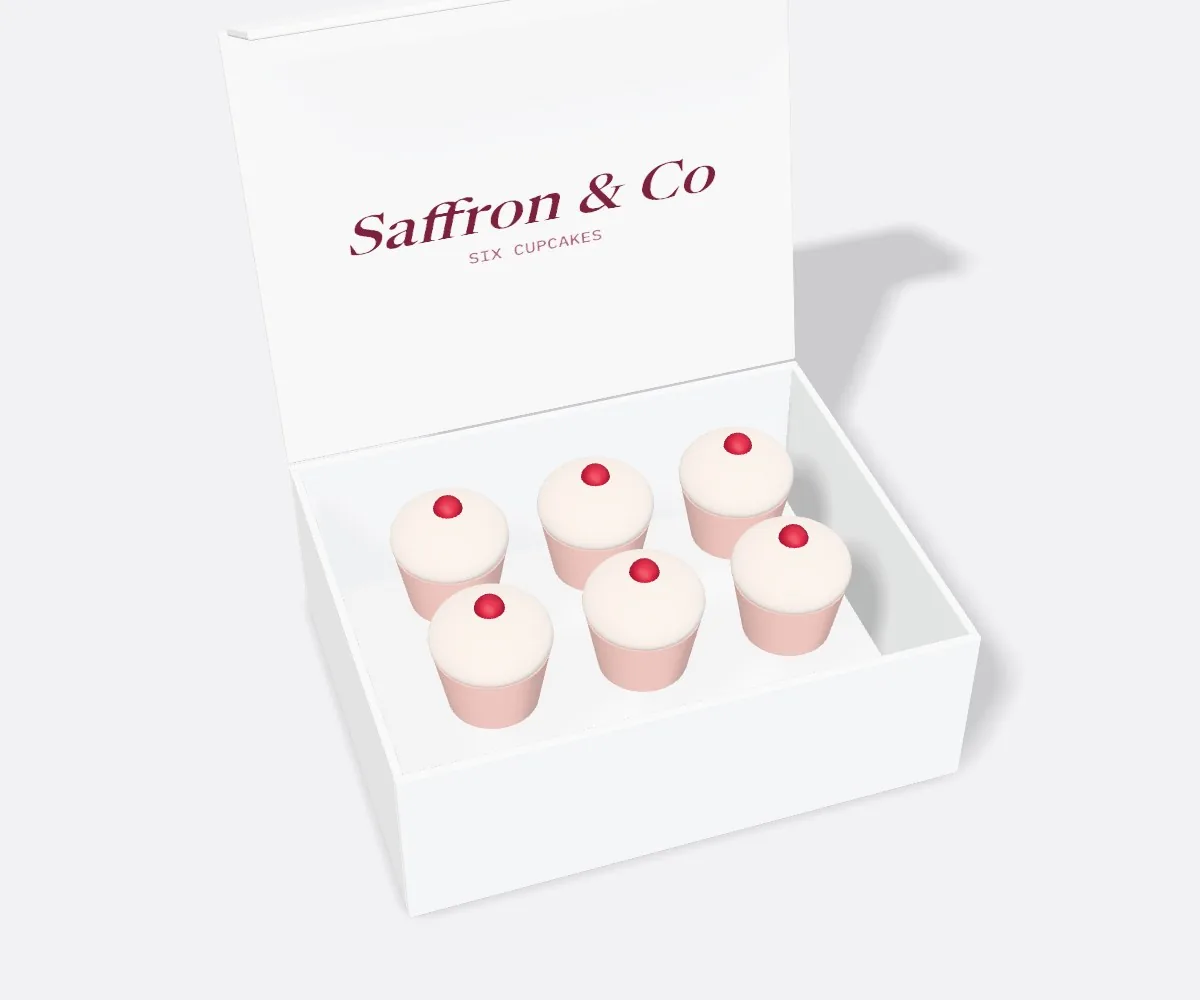
On this page
- How do you stop butter croissants from staining the bottom of a pastry box
- Which barrier and venting setup matches each type of pastry
- Why do warm pastries go soggy in closed cartons and how do vents help
- How do you prevent pastry boxes from softening in refrigerated cases
- What reheating and storage tips should you print inside a pastry box lid
- Common mistakes
- FAQs
Request a custom quoteFree dieline & 3D mockup
Two physical forces ruin laminated pastries between the bakery counter and the customer's kitchen table: capillary oil wicking and trapped steam condensation. Butter croissants, kouign-amann, pain au chocolat, and puff-pastry turnovers are baked with 25% to 35% butter by dough weight; when placed directly on raw, uncoated paperboard, liquid butter wicks into the paper fibers and leaves translucent dark blotches on the outside of the box within fifteen minutes. At the same time, if a pastry is packed above room temperature, water vapor rises off the crust, hits the cool top window film, and rains back down onto the pastry, turning shattered flake into chewy bread. Solving both problems requires combining a food-safe inner grease barrier or custom butter paper sheet with upper side steam vents that let warm moisture escape while keeping the lid closed.
How do you stop butter croissants from staining the bottom of a pastry box?
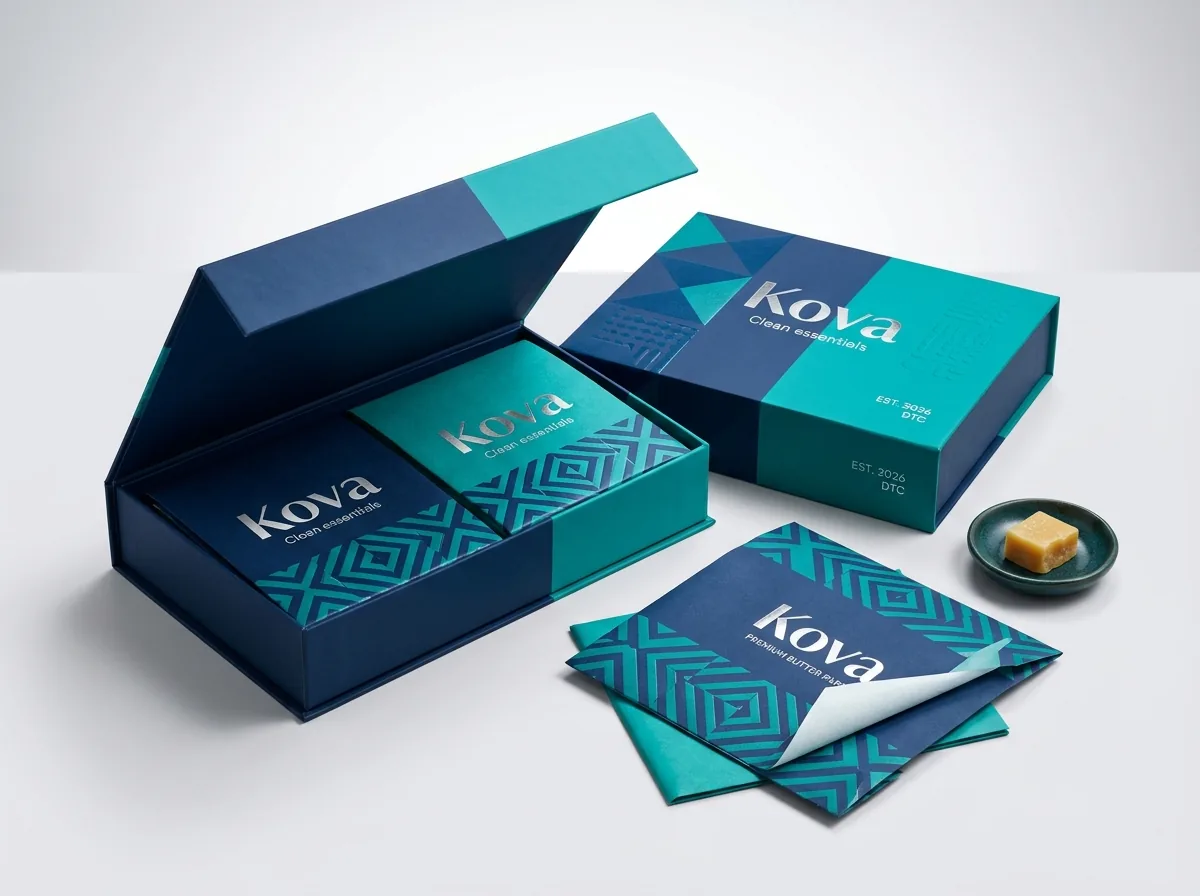
Uncoated kraft board and standard white folding paperboard act like a blotter towel whenever warm butter, almond frangipane, or fruit syrup touches them. Nothing undermines a boutique patisserie brand faster than a customer setting a takeaway box down on their car seat or office desk and finding a translucent grease ring underneath. You have two practical ways to block oil transfer inside custom printed pastry boxes without driving up your packaging budget. First, you can request a food-safe grease-resistant interior coating or laminated liner applied directly to the inside wall of the board at our partner facility. That invisible inner barrier stops melted butter from wicking into the paper fibers even when warm croissants or brioche buns sit directly on the floor for an hour. Second, you can print standard kraft or white card boxes and line each carton at the counter with a sheet of custom butter paper. Many cafés prefer the two-part approach because the branded greaseproof tissue wraps around the pastries like a gift, absorbs surface oil, and keeps flaky crumbs contained when customers eat at their desks.
- Option 1 (Interior grease barrier): food-safe inner board coating requested on your quote.
- Option 2 (Custom butter paper sheet): grease-resistant tissue sheet dropped into the box before loading.
- Option 3 (Foil-faced tart coasters): individual greaseproof gold/silver card circles under wet fruit tarts and entremets.
- Option 4 (Fluted paper baking cups): parchment cups under sticky cinnamon buns, morning buns, and caneles.
Which barrier and venting setup matches each type of pastry?
A dry almond biscotti, an oven-warm sausage roll, and a chilled strawberry tart face completely different moisture and oil challenges during a thirty-minute drive home. Use the decision matrix below to pick the right combination of board stock, inner protection, window film, and side venting for every item on your patisserie menu. Because CubitPack charges zero die or plate fees, adding small side thumb vents, changing window cutouts, or sizing a box around fluted parchment cups costs nothing extra in tooling. You can also test how your warm or chilled bakes hold up inside each board stock before placing a full order by requesting our $50 sample kit (credited toward your first box run).
| Pastry category | Recommended inner barrier | Venting & exterior finish |
|---|---|---|
| Warm butter croissants & pain au chocolat | Grease-resistant liner or custom butter paper | Side thumb-notch vents + matte or uncoated board |
| Sticky kouign-amann, cinnamon & morning buns | Food-safe grease barrier + parchment cup | Small corner vents + wipe-clean matte lamination |
| Savory puff-pastry turnovers & sausage rolls | Grease-resistant inner liner | 4 side steam slots + unbleached kraft or white card |
| Chilled glazed fruit tarts & mousse entremets | Gold foil-top tart coaster + 4-cell divider | No vents (sealed window) + exterior gloss/matte film |
| Eclairs, cream puffs (choux) & cannoli | Grease-resistant floor or fluted paper boat | Panoramic top window + fridge-safe laminated card |
| Dry scones, biscotti, palmiers & financiers | Custom butter paper sheet | Sealed window box + unbleached kraft or white card |
Why do warm pastries go soggy in closed cartons and how do vents help?
The outer crust of a freshly baked croissant or puff-pastry turnover has a very low water activity, while its steaming honeycomb crumb inside is full of moisture. If you seal a warm pastry inside an airtight box with a plastic top window, the relative humidity inside the headspace climbs past 85% in less than five minutes. That warm vapor condenses into droplets on the cool underside of the clear window film and soaks straight back into the top crust. To keep crusts crisp without leaving the box lid wide open, ask our structural designers to add discreet die-cut steam vents along the upper side walls or integrate widened thumb-notch cutouts under the front lid lip. Warm moist air rises out through the upper side vents by natural convection while the top window still shields the pastry from dust and fingers. Pairing upper side vents with a 5-7-minute cooling rest on a wire bakery rack before boxing keeps morning turnovers, sausage rolls, and almond croissants flaky for hours.
Know your size? Compare pricing across up to 3 quantities.
Request a Quote →How do you prevent pastry boxes from softening in refrigerated cases?
While viennoiserie lives at room temperature on the counter, custard-filled eclairs, cannoli, cream puffs, and berry tarts are often pre-boxed or stored inside 38°F walk-in coolers and chilled glass display cases. Raw uncoated paperboard absorbs ambient humidity inside a refrigerator and attracts condensation droplets the moment a cold box is carried out into warm summer air, causing the lid corners to droop. For chilled patisserie items, specify a thin exterior matte lamination or gloss lamination on white paperboard. The exterior film seals the paper fibers against cooler moisture, keeps the lid crisp during humid deliveries, and lets staff wipe away stray pastry cream or powdered sugar before handing the box to the customer. On the inside of the carton, pair that laminated exterior with gold foil-topped tart coasters and a 4-cell cardboard divider so cold condensation from glazed fruit never softens the floor.
What reheating and storage tips should you print inside a pastry box lid?
Even the best vented box cannot keep a croissant oven-warm for twelve hours if a customer buys a half-dozen box on Saturday afternoon for Sunday morning breakfast. Printing a simple three-step refreshing guide on the inside of the lid turns day-old takeaway pastries back into a fresh café experience and builds strong repeat loyalty. With inside printing at CubitPack, you can add a clean diagram inside the lid or on the front tuck flap at minimal cost. Pair a short toaster-oven instruction for laminated bakes with a refrigerator reminder for custard tarts, and include a QR code linking to your pre-order catering menu. Customers appreciate knowing the exact temperature and minute count that brings back the bakery crunch without scorching chocolate batons or almond frangipane.
- Laminated croissants & danishes: "Warm at 350°F (175°C) for 3 to 4 minutes, then rest 2 minutes for maximum flake."
- Do-not-microwave note: "Skip the microwave - steam softens flaky pastry layers."
- Custard tarts, eclairs & cannoli: "Keep refrigerated below 40°F and enjoy within 24 hours."
- Reorder & catering callout: add your website URL, Instagram handle, and catering QR code inside the lid.
What packaging mistakes ruin pastry crispness and presentation?
Check these five common traps before finalizing your custom pastry box specifications
- Placing high-butter croissants or turnovers directly on raw unlined paperboard without a grease barrier or butter paper.
- Closing oven-warm pastries inside an unvented window box, causing steam to fog the window and soften the crust.
- Using vents on boxes meant for chilled mousse tarts or eclairs, which dries out delicate pastry cream in the cooler.
- Storing uncoated kraft boxes inside a humid walk-in refrigerator where moisture softens the board corners.
- Forgetting to print simple 350°F oven-crisping instructions inside the lid for customers taking morning buns home for the next day.
Find your size
Suggested inside size: 4.5 × 4.5 × 3 in
A starting point. Your account manager confirms the size with you before the proof.
Quote this size →Packaging for this
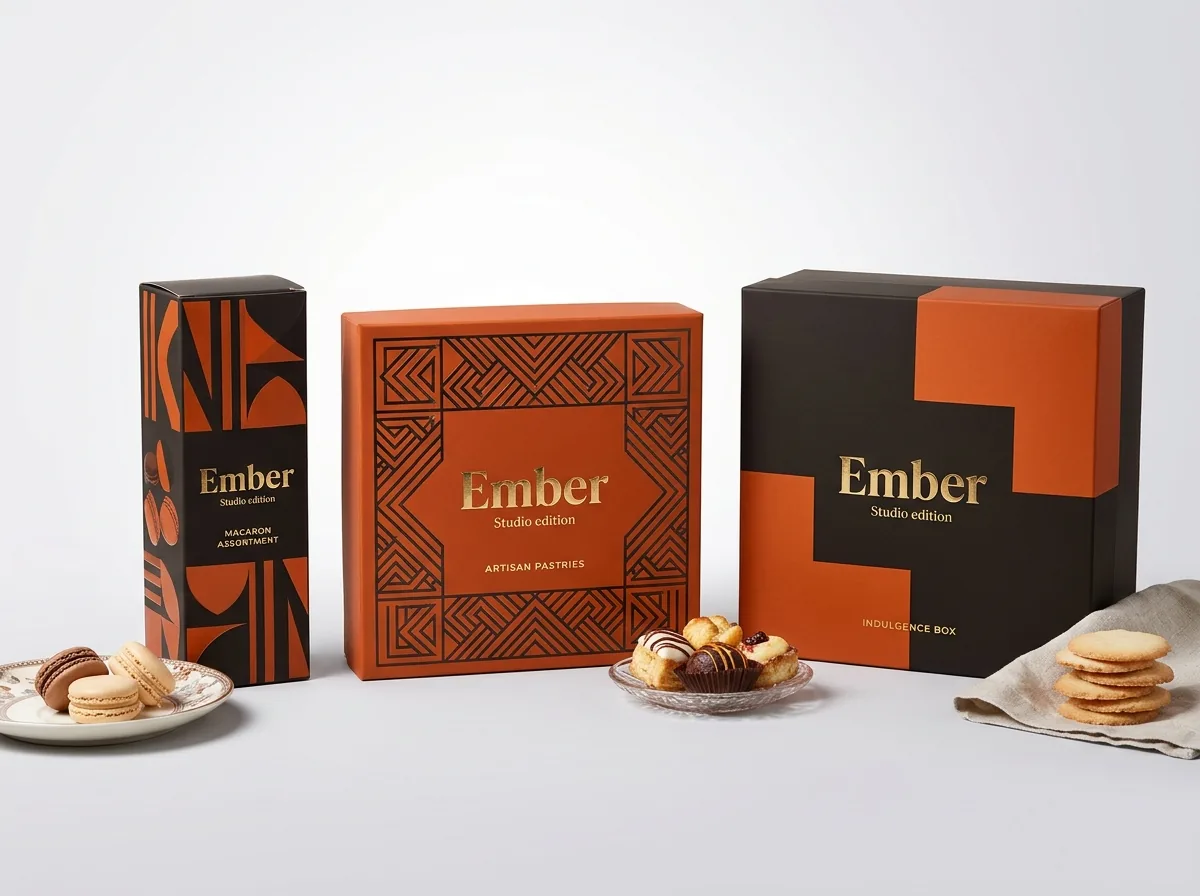
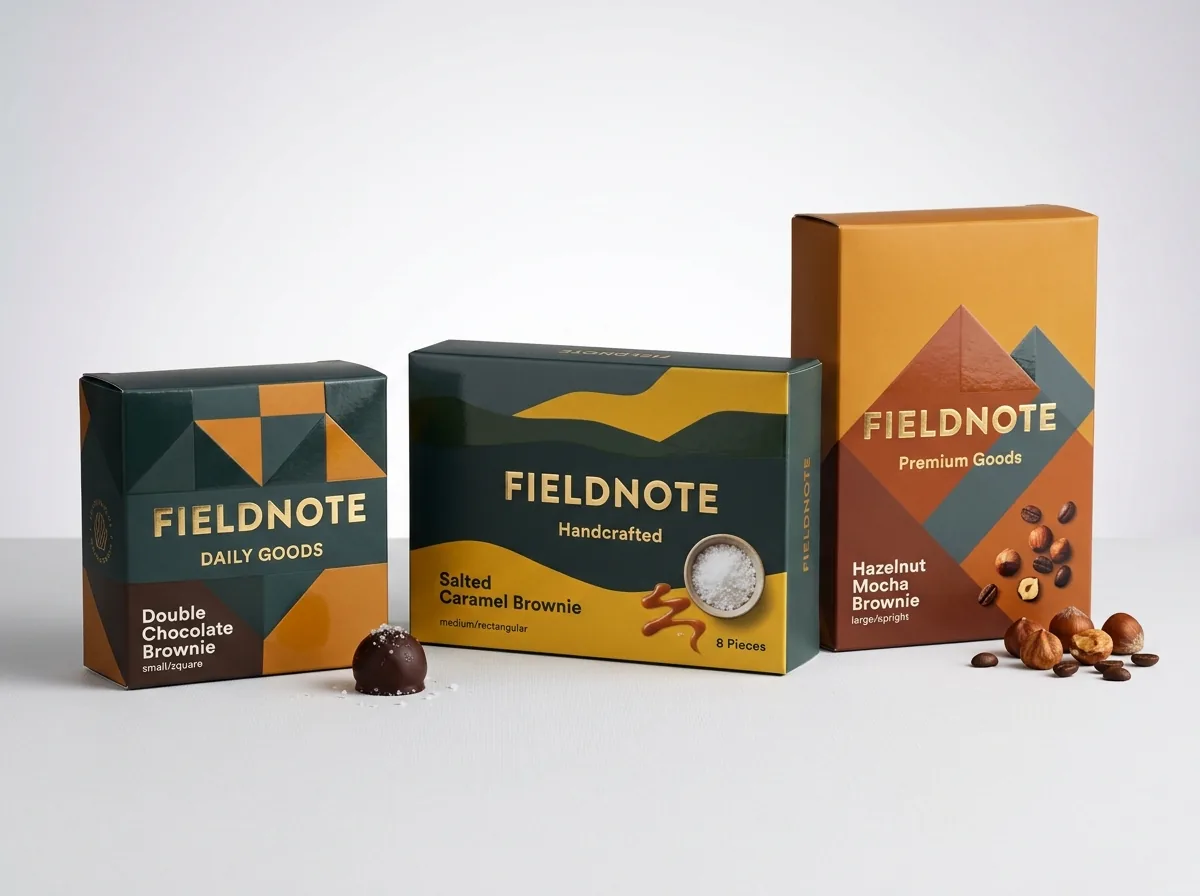
Ready to order pastry boxes? Compare up to 3 quantities with a free 3D mockup.
Request a Quote →Questions about pastry boxes
Are food-safe and grease-resistant pastry boxes available at CubitPack?
Yes. Food-safe boards and grease-resistant interior barriers are available on request through our certified partner facilities. Tell us on your quote if croissants or tarts touch the box directly, and we can share partner test reports.
Do die-cut steam vents cost extra on custom pastry boxes?
No. Because CubitPack never charges die or plate fees, adding side ventilation slots or widened thumb vents to your custom pastry box dieline is completely free.
Should I use grease-resistant board or custom butter paper liners?
Both work well. An interior grease barrier coats the box wall itself so no extra counter step is needed, while a custom printed butter paper sheet wraps around the pastries for an elevated café unboxing. Many patisseries use both on rich bakes like kouign-amann.
Why does my pastry box window fog up when I pack croissants?
Window fogging happens when pastries are boxed while still warm from the oven and the carton has no side vents. Letting bakes cool on a wire rack for 5-7 minutes and adding side vents stops condensation on the clear film.
Does exterior lamination make a pastry box greaseproof on the inside?
No. Exterior matte or gloss lamination protects the outside print from refrigerator moisture and fingerprints, but butter inside the box will still soak into the raw inner paper fibers unless you add an interior grease barrier or liner.
Can I order matching custom butter paper and seal stickers with my pastry boxes?
Yes. We produce custom printed butter paper sheets and roll or sheet seal stickers that match your exact Pantone ink colors so your entire café takeaway set looks cohesive.
Still have a question? Ask a packaging specialist.
Request a Quote →Request your pastry boxes quote
Tell us your size and quantities, and one dedicated account manager prepares pricing for each tier.
- Free design & AI-to-print studio + 3D mockup
- No die or plate charges · 4–5 day rush available
- Free shipping to all 50 states
- 10% off your first order
The moisture-venting and oil-barrier recommendations in this guide follow standard bakery food-packaging practices for high-fat laminated doughs and chilled patisserie. A CubitPack packaging specialist checked every section. Spot something wrong? Tell us and we will fix it.
Sources
What changed
- October 22, 2026: First published.
- October 22, 2026: Updated specifications, terminology, and verified source links.
More guides
New packaging guides by email
Sizes, materials and design tips. Unsubscribe anytime.