
How do I design custom keepsake boxes for long-term storage?
Short answer: Design a keepsake box like a hardcover coffee-table book rather than a retail carton: choose linen or anti-scuff matte wrap in archival neutrals, stamp your title on both the cover and spine, and anchor satin ribbon lifters inside. Order custom keepsake boxes from CubitPack with free design help.
On this page
- Which wrap papers and finishes hold up best over decades of handling
- Why should you design like a bookbinder with blind debossing and spine titles
- How do you engineer anchored ribbon lift tabs and cover photo windows
- How do I lay out compartment labels and inside-lid maps for memory trunks
- What board thickness and interior liners keep keepsake boxes warp-free
- Common mistakes
- FAQs
Request a custom quoteFree dieline & 3D mockup
A retail product box only needs to survive a few weeks on a store shelf, whereas a keepsake box is handled, opened, and displayed on a living-room bookcase or nursery shelf for twenty years or more. Designing for multi-decade longevity changes every material and artwork decision: loud promotional graphics get replaced by understated blind-debossed crests or small metallic foil monograms that families are proud to display in their home; thin board gets upgraded to 2 mm to 3 mm high-density rigid chipboard (gray board) wrapped in textured linen or scuff-resistant matte film; and every interior compartment gets engineered with anchored satin ribbon lift tabs and foil-printed directory labels. At CubitPack, our structural and prepress team sets up your custom keepsake dieline, foil layers, and interactive 3D mockup for free before production begins, with free shipping across all 50 US states.
Which wrap papers and finishes hold up best over decades of handling?
Every time a family pulls a wedding album box or baby memory trunk off a shelf, natural skin oils and shelf friction rub against the outer wrap paper. Uncoated smooth paper without lamination can pick up smudges, while high-gloss lamination can show fine hairline scratches over years of sliding across wood bookcases. When specifying custom printed keepsake boxes, select one of the five archival-inspired wrap and finish pairings in the table below. Linen-embossed paper, buckwheat bookcloth-style textures, and anti-scuff matte or soft-touch laminations hide wear while giving the box the tactile warmth of fine bookbinding.
| Exterior wrap material | Best decorative finish | Ideal keepsake aesthetic & use |
|---|---|---|
| Oatmeal, bone or stone linen paper | Blind debossing + champagne gold foil | Fine-art wedding & portrait print + USB boxes |
| Forest green, navy or burgundy soft-touch | Antiqued gold or copper hot foil crest | University awards, diplomas & family archives |
| Warm cream or sage anti-scuff matte wrap | Rose-gold or gold foil + CMYK illustration | Baby first-year milestone & registry memory trunks |
| Charcoal or matte black textured wrap | Polished silver foil or tone-on-tone spot UV | Luxury real estate closing keys & watch heirlooms |
| Unbleached natural kraft wrap | Opaque white ink + blind-debossed emblem | Botanical presses, national park & outdoor keepsakes |
Why should you design like a bookbinder with blind debossing and spine titles?
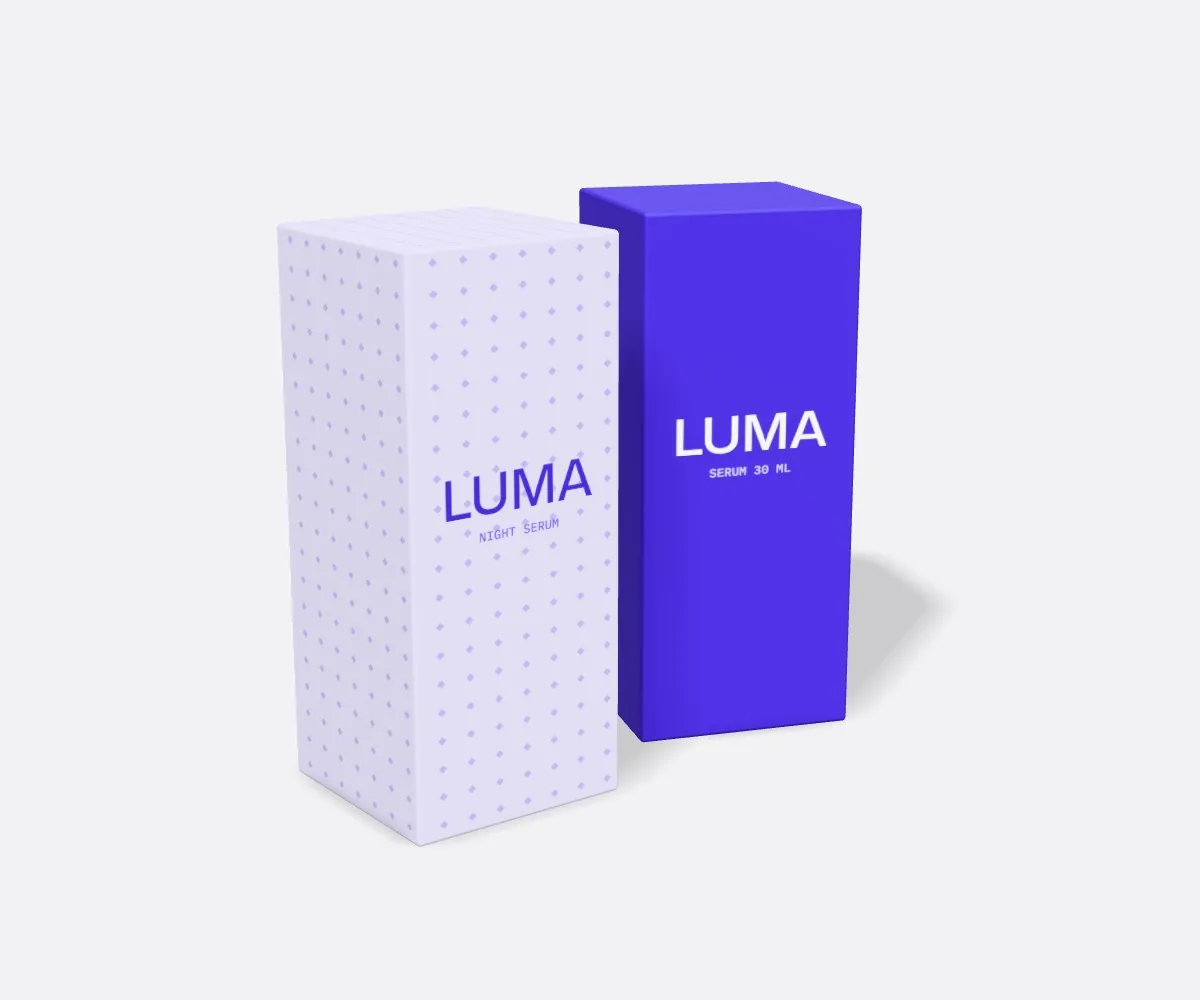
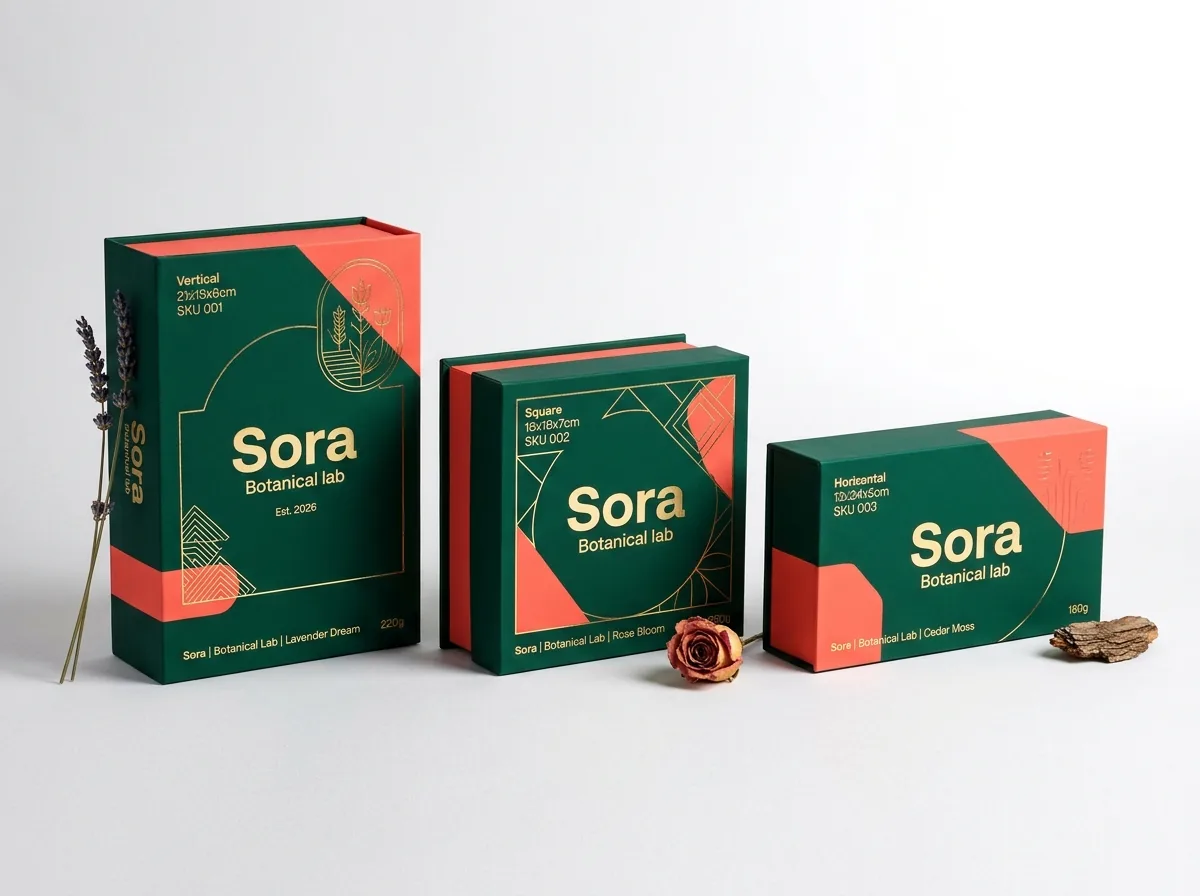
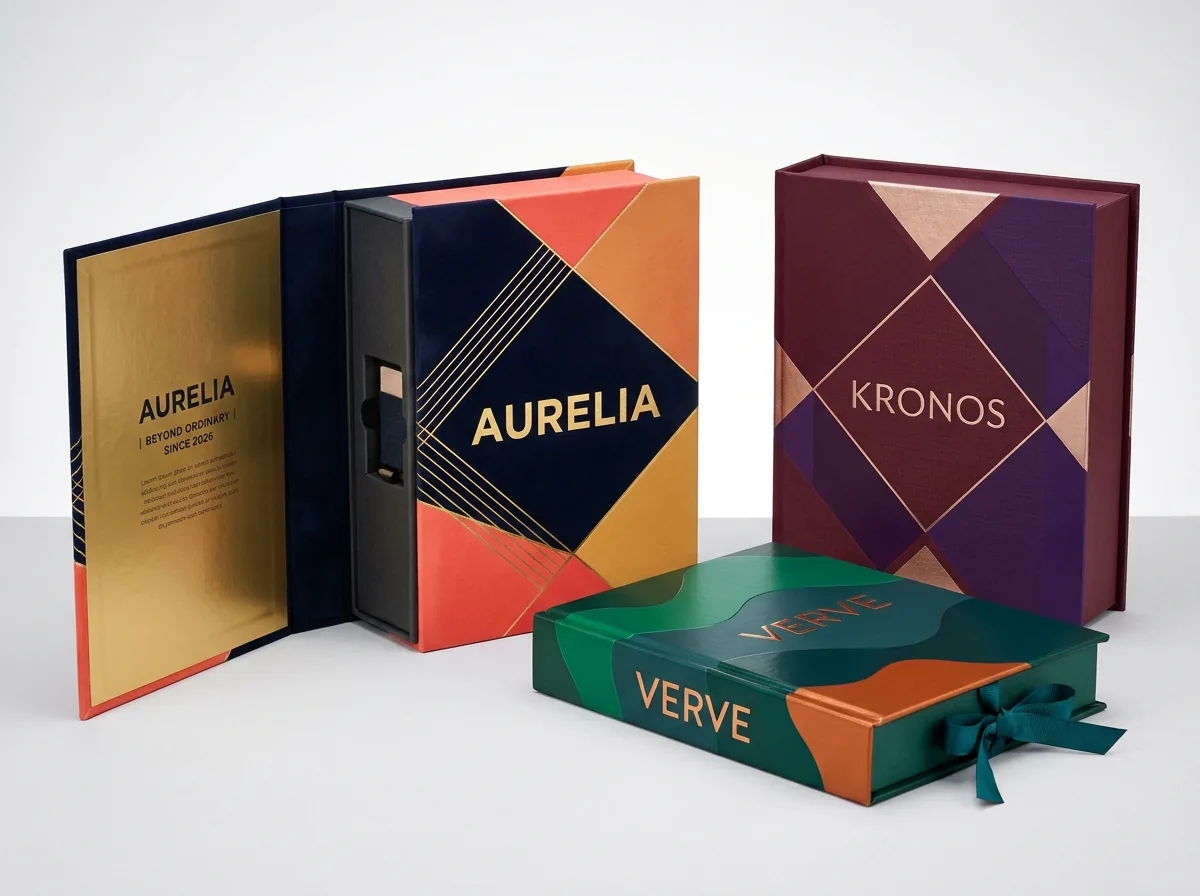
Customers rarely leave a box sitting out in their living room if it looks like a billboard. The secret to designing a keepsake box that never gets thrown away is restraint: treat the top lid like the cloth cover of a collector's monograph and treat the hinged side wall like a book spine. On textured linen or cotton-feel paper, embossing and blind debossing (pressing a heated brass die into the wrap without foil or ink) creates a permanent, tactile impression that can never scratch or fade. You can also combine a blind-debossed border frame with foil stamping in the center. Just as important, always place a clean title, monogram, or volume label along the spine panel of a magnetic book-style box so the box is identifiable when shelved vertically between books.
How do you engineer anchored ribbon lift tabs and cover photo windows?
Two structural details separate a true keepsake box from an ordinary rigid gift box: an anchored satin ribbon lift tab inside the well, and an optional slip-in photo frame window on the lid. When a stack of 100 prints or a 12 × 12 inch wedding album sits inside a snug 0.25-inch-clearance well, fingertips cannot reach under the bottom sheet without dog-earing the corners. To prevent the ribbon from ever pulling loose under a five-pound album, we slot the base chipboard (gray board) before gluing down the interior floor liner: the tail of a 0.75-inch or 1-inch double-faced satin or grosgrain ribbons passes through the slot and is bonded between the structural chipboard (gray board) and the bottom wrap. The free end runs flat across the floor of the well and extends 2 inches up the right wall, often finished with a heat-sealed v-notch or a folded pull tab. If you also want a personalized cover, we can die-cut a windows frame into the top lid with a recessed interior pocket so your client can slide a 4 × 6 or 5 × 7 inch cover photo into the lid.
- Sub-liner ribbon anchoring bonds the ribbon tail underneath the interior floor board so it cannot pull free.
- Use a 0.75 in satin ribbon for 4 × 6 and 5 × 7 print stacks, and step up to a 1 in grosgrain strap for heavy albums.
- Die-cut lid frame windows leave a 0.25 in border overlap on all four sides of a standard 4 × 6 or 5 × 7 inch print.
- Add a half-moon thumb notch on the inner pocket slot so the cover photograph is easy to swap out later.
Know your size? Compare pricing across up to 3 quantities.
Request a Quote →How do I lay out compartment labels and inside-lid maps for memory trunks?
In a multi-compartment baby milestone trunk or wedding ceremony chest, labeling each section turns an empty divider grid into a guided storytelling experience. You have two clean ways to label compartments on custom box inserts without cluttering the box. First, we can construct the divider walls with a 0.5-inch flat top flange or stepped header tab and hot-stamp titles ('First Tooth', 'Hospital Band', 'First Shoes', 'Ultrasound', 'Letters') directly onto the divider rims in metallic gold or silver foil. Second, if you want thinner interlocking divider walls, print a numbered or illustrated 'Memory Map' directory centered on the inside lid panel that corresponds to the grid below. Many baby and bridal brands also tuck a matching set of custom thank you cards or archival milestone envelopes into one of the compartments so parents can record dates alongside each keepsake.
What board thickness and interior liners keep keepsake boxes warp-free?
Over years of seasonal humidity shifts between winter heating and summer air conditioning, thin chipboard lids can bow upward at the corners. To keep your keepsake box flat and square for decades, match the chipboard (gray board) caliper to the span of the lid: compact 6.5 × 4.75 inch print boxes perform well with 1.5 mm to 1.8 mm (60 to 70 pt) high-density board, mid-size 10.5 × 8.5 inch boxes use 2.0 mm (80 pt) board, and large 12.5 × 12.5 inch album boxes or 15 × 12 inch trunks step up to 2.5 mm or 3.0 mm (100 to 120 pt) board. Just as crucial in rigid box manufacturing is balanced lamination: wrapping both the exterior and interior of the chipboard (gray board) with paper of matched grain direction equalizes surface tension so the lid stays dead flat. If your clients will store unlaminated silver-halide darkroom prints or delicate heirloom textiles directly against the interior liner, let your account manager know on your quote so we can specify appropriate interior liner papers.
- 1.5 mm to 1.8 mm (60–70 pt) high-density chipboard (gray board) suits compact 4×6 and 5×7 portrait print boxes.
- 2.0 mm (80 pt) chipboard (gray board) keeps 8×10 folio boxes and mid-size baby keepsake chests rigid and square.
- 2.5 mm to 3.0 mm (100–120 pt) chipboard (gray board) prevents lid bowing on wide 12×12 wedding album trunks.
- Matched interior and exterior paper grain equalizes pull across the hinged cover in dry and humid climates.
What are the most common custom keepsake box design mistakes?
Most keepsake design missteps come from treating an heirloom box like short-term shipping packaging or overlooking how customers interact with the interior compartments. Avoid these five mistakes
- Printing a giant commercial website URL or barcode on the front lid instead of placing discreet studio credits on the bottom base.
- Gluing the end of a lift ribbon lightly on top of the floor paper instead of anchoring it underneath the interior base liner.
- Leaving the spine panel blank on a magnetic book-style keepsake box that clients will store upright on a bookshelf.
- Using thin 1.2 mm chipboard on a wide 12 × 12 inch album lid, which can bow slightly over years of humidity changes.
- Designing a die-cut cover photo window to the exact 4.0 × 6.0 inch print size instead of 3.5 × 5.5 inches so the print falls through.
Find your size
Suggested inside size: 6.5 × 4.75 × 1.75 in
A starting point. Your account manager confirms the size with you before the proof.
Quote this size →Packaging for this
Ready to order keepsake boxes? Compare up to 3 quantities with a free 3D mockup.
Request a Quote →Questions about keepsake boxes
Can I combine blind debossing and metallic foil stamping on a linen keepsake box?
Yes. Combining a blind-debossed border or botanical crest with metallic gold, champagne, or silver hot foil stamping for the title is one of the most popular heirloom finishes. The heated brass die presses the linen texture flat inside the recessed letters so even fine serif type reads crisply.
How much smaller than the photo print should a die-cut lid frame window be?
Make the die-cut window opening 0.25 to 0.5 inches smaller than the photograph (for example, a 3.5 × 5.5 inch opening for a 4 × 6 inch print, or a 4.5 × 6.5 inch opening for a 5 × 7 inch print) so the interior pocket holds all four edges of the photo securely.
Can you print custom illustrations inside the lid and inside each compartment?
Yes. On baby memory trunks and collector editions, we can print full-color CMYK or Pantone artwork across the inside lid, the floor of each compartment, and the divider walls before laminating the sheets onto the rigid chipboard (gray board).
Where should a photography studio or gift brand place its logo on a keepsake box?
For photography studios delivering client portraits or wedding albums, we recommend stamping the couple's monogram or a generic archival emblem on the front cover and placing your studio logo inside the bottom lid corner or blind-debossed on the underside of the box.
Do you offer velvet or suede interior linings for keepsake boxes?
Yes. We can line the interior base floor, inside lid, or custom EVA foam inserts with velvet flock in cream, charcoal, navy, burgundy, or forest green to protect delicate jewelry heirlooms, metal USB drives, and commemorative medallions from scratches.
Will I see a 3D mockup of the spine, cover debossing, and compartments before paying?
Yes. Every CubitPack quote includes free design support, a 2D structural dieline proof, and an interactive 3D mockup showing the cover, spine, inside-lid directory, and compartment layout before you pay.
Still have a question? Ask a packaging specialist.
Request a Quote →Request your keepsake boxes quote
Tell us your size and quantities, and one dedicated account manager prepares pricing for each tier.
- Free design & AI-to-print studio + 3D mockup
- No die or plate charges · 4–5 day rush available
- Free shipping to all 50 states
- 10% off your first order
The chipboard (gray board) caliper recommendations, balanced liner grain rules, and ribbon anchoring specifications in this guide come from CubitPack's rigid box production standards and TAPPI bookbinding guidelines. A packaging specialist checked every specification. Spot something wrong? Tell us and we will fix it.
Sources
What changed
- October 22, 2026: First published.
- October 22, 2026: Updated specifications, terminology, and verified source links.
More guides
New packaging guides by email
Sizes, materials and design tips. Unsubscribe anytime.