
Flat envelope sleeve vs two-piece vs drawer scarf boxes: which should you choose?
Short answer: Choose flat paperboard envelope sleeves for lightweight pocket squares and economical padded-mailer shipping, shallow two-piece square boxes for 90 cm luxury silk carres, and ribbon-pull drawer boxes for multi-pack hijabs. Compare all styles on our custom scarf boxes page from 1,000 cartons or 50 rigid units.
On this page
- How do the main custom scarf box styles compare side by side
- When is a flat paperboard envelope sleeve the smartest choice for scarves
- Why is the shallow two-piece square box the gold standard for silk carres
- Why do hijab and twilly brands prefer drawer boxes and pillow boxes
- What box structure works best for heavy winter wool and cashmere wraps
- Common mistakes
- FAQs
Request a custom quoteFree dieline & 3D mockup
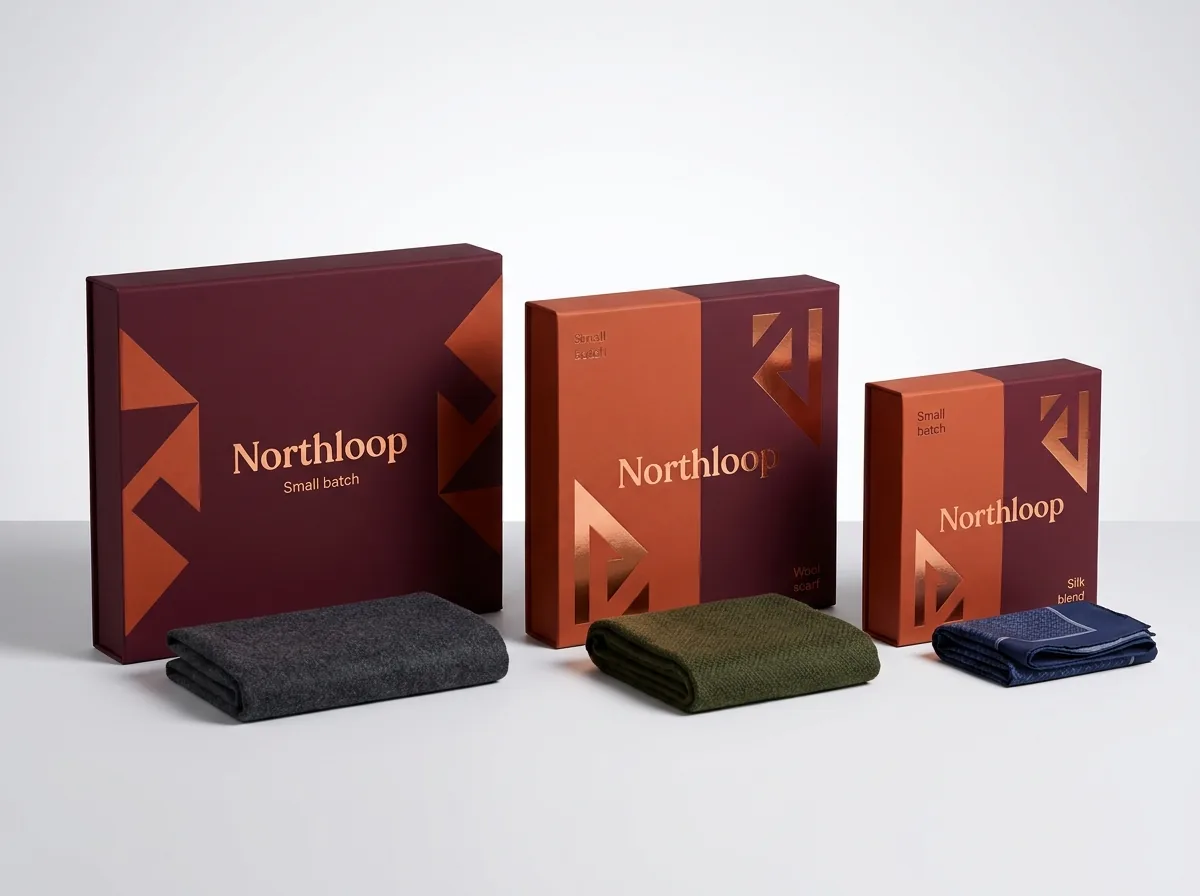
Picking the right structure for a scarf collection comes down to how the textile is sold and how much storage or shipping volume you want to pay for. A flat pinch-lock paperboard envelope folder is only 0.5 to 0.75 inches thick, gripping a folded silk bandana or modal hijab tightly so it can slip inside a flat rate mailer without shifting. A shallow two-piece telescoping lid-and-base square box is the timeless heritage choice for 90 × 90 cm silk twill carres, lifting straight off the tissue-wrapped square on a boutique counter. A tray-and-sleeve drawer box adds double-wall side strength and a satin ribbon pull that works beautifully for 3-pack hijab bundles or skinny twilly ribbons. For thick winter cashmere wraps, a deeper magnetic rigid box or E-flute book mailer provides the vertical room lofted wool requires, with free design help and no die charges.
How do the main custom scarf box styles compare side by side?
Every scarf box structure makes a different trade-off between warehouse storage footprint, unit cost, postal thickness and gift presentation. A flat paperboard folder stores thousands of units on a single pallet shelf and qualifies for slim parcel rates, whereas a rigid magnetic box arrives pre-built for luxury department store tables and VIP gifting suites. Many growing accessory labels use two structures across their line: a flat envelope sleeve for everyday single scarves sold online, and a two-piece or drawer gift box for flagship silk squares and holiday bundles. Use the comparison table below to evaluate the six structures we produce most often for custom printed scarf packaging across silk, modal, chiffon and cashmere collections.
| Scarf box style | Best scarf format & channel | Storage & minimum order |
|---|---|---|
| Flat envelope folder sleeve | 50-70 cm silk squares, pocket squares, single hijabs in mailers | Ships 100% flat · 1,000 MOQ |
| Two-piece square box (card or rigid) | 90 cm silk twill carres, museum art scarves, boutique gifts | Pop-up flat / rigid set up · 1,000 / 50 MOQ |
| Tray & sleeve drawer box | Single or 3-pack hijabs, skinny twilly ribbons, pashminas | Card ships flat / rigid set up · 1,000 / 50 MOQ |
| Window tuck-end carton | Retail shelf bandanas, hair scarves, resort wear wraps | Ships 100% flat · 1,000 MOQ |
| Pillow box | Chiffon neck scarves, jersey hijabs, gift-with-purchase favors | Ships 100% flat · 1,000 MOQ |
| Magnetic closure rigid box | Heavy cashmere winter mufflers, alpaca stoles, VIP press kits | Pre-assembled or collapsible · 50 MOQ |
When is a flat paperboard envelope sleeve the smartest choice for scarves?
If you sell lightweight silk pocket squares, cotton bandanas, satin hair scarves or single modal hijabs online, shipping a 2-inch-tall box means paying for mostly empty air. A flat paperboard envelope folder (also called a pinch-lock portfolio sleeve) solves both the shipping cost and the silk-sliding problem at once. Because the top and bottom walls of a flat folder pinch gently inward toward the center, the paperboard holds a folded silk square under light tension so the fabric cannot slide into a corner during transit. The folder is slim enough to slide directly inside a custom poly mailer or padded rigid mailer envelope, protecting the scarf from creases while keeping your outbound postage in the lowest weight and thickness tier. For museum gift shops, art galleries and resort boutiques, flat envelope sleeves also stand upright in countertop display racks so shoppers can flip through dozens of scarf prints like vinyl records.
- Ultra-slim 0.5 to 0.75 in profile slips easily into standard e-commerce poly mailers and flat rate envelopes.
- Curved or angled back thumb-lock flap closes cleanly with a custom foil seal sticker or tuck tab.
- Optional front die-cut window displays the center medallion or border print of the scarf without opening.
- Starts at 1,000 units and ships completely flat in compact master cartons to save warehouse shelf space.
Why is the shallow two-piece square box the gold standard for silk carres?
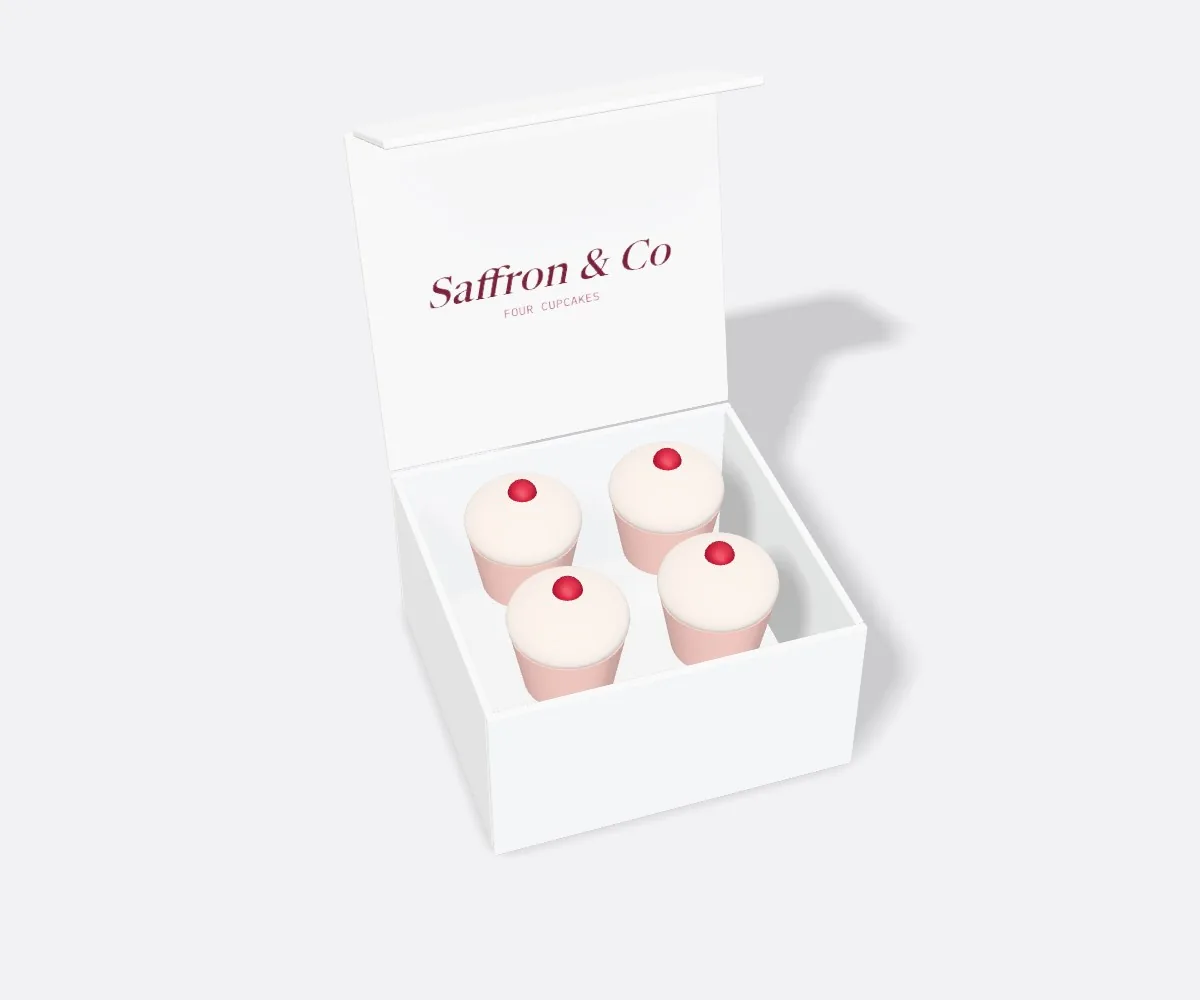
Walk into any European silk house or museum gift shop and you will see the same iconic silhouette: a shallow 9.5 × 9.5 × 1.0 inch two-piece box with a full-depth telescoping lid. When the lid lifts straight up, the four base walls stay low so the customer can admire the full square fold and lift the tissue-wrapped silk out without catching the hand-rolled edges on a narrow end flap or thumb notch. Because the lid telescopes all the way down to the bottom edge of the base tray, the closed box has double-thick side walls that resist corner denting on boutique shelves. We build two-piece square scarf boxes in two constructions: pop-up folding SBS cardstock starting at 1,000 units (which ships flat to your warehouse and folds into a double-wall tray and lid in seconds without glue), and paper-wrapped rigid chipboard (gray board) starting at 50 units for heirloom silk and limited-edition artist collaborations. Both versions can include a printed knot-tying diagram inside the lid, a custom acid-free tissue band, and a metallic gold or silver foil crest on the exterior cover.
Know your size? Compare pricing across up to 3 quantities.
Request a Quote →Why do hijab and twilly brands prefer drawer boxes and pillow boxes?
Modest fashion and hijab brands frequently sell everyday chiffon, modal and jersey scarves in curated color sets of three or five. In a top-opening two-piece box, stacking three scarves on top of one another hides the bottom two colors underneath the top scarf. A tray and sleeve drawer box lets you pack three folded hijabs side-by-side on edge (like books on a shelf) or separated by thin cardstock dividers. When the customer pulls the satin ribbon tab, all three fabric shades slide into view simultaneously, and the drawer box stays on their closet shelf as a daily organizer. For single impulse hijabs, hair scarves and checkout counter gifts, a curved pillow box pops open in two seconds and cradles soft knits without sharp corners. Because pillow boxes have arched side walls that resist flat stacking pressure, they also work cleanly inside subscription boxes to hold a bonus neck scarf or hair ribbon.
- Side-by-side drawer layout displays every colorway in a 3-pack or 5-pack bundle at once.
- Double side walls on tray-and-sleeve boxes allow tall vertical stacking in warehouse bins.
- Slim 8.0 × 2.5 × 0.875 in drawer boxes are the go-to format for skinny handbag twilly ribbons.
- Pillow boxes need zero tape or glue assembly on busy retail counters.
What box structure works best for heavy winter wool and cashmere wraps?
Heavy winter mufflers, brushed Scottish cashmere stoles and woven alpaca blanket scarves weigh five to eight times more than a silk carre and need seasonal moth and dust storage after winter ends. A flimsy single-wall folding carton can bow outward under the natural springiness of thick wool. For luxury winter gift collections starting at 50 units, a 13.0 × 10.0 × 2.75 inch magnetic closure rigid box or collapsible rigid box provides stiff chipboard walls that customers keep in their wardrobe for years to protect fine wool from dust between winters. For direct-to-consumer winter orders starting at 250 units, a roll-end E-flute corrugated mailer printed inside the lid ships the wrap safely through parcel carriers without needing a second outer shipping carton. Every CubitPack order includes free design help, no die or plate fees, guaranteed Pantone color accuracy, free delivery across all 50 US states, a 10% first-order discount, and a digital proof and 3D mockup to review before you pay.
What are the most common mistakes when picking a scarf box style?
Avoid these five structural mismatches when selecting packaging for your silk, modal hijab or winter wool scarf collection so every piece arrives uncreased
- Sliding a hand-rolled silk twill carre into a tight end-opening tuck carton where the side flaps catch and pull the delicate rolled hem.
- Stacking a 3-pack of hijabs flat inside a top-opening box that hides the bottom two colors instead of standing them side-by-side in a drawer box.
- Using a thin single-wall paperboard sleeve for a heavy, springy cashmere blanket scarf that bows the carton walls outward on the shelf.
- Mailing a paper-wrapped rigid scarf box directly through parcel carriers without an outer poly mailer or corrugated shipping carton.
- Skipping an inner rounded-corner cardstock backing board inside a window carton, allowing the slippery scarf to slump away from the window cutout.
Find your size
Suggested inside size: 8.0 × 2.5 × 0.875 in
A starting point. Your account manager confirms the size with you before the proof.
Quote this size →Packaging for this
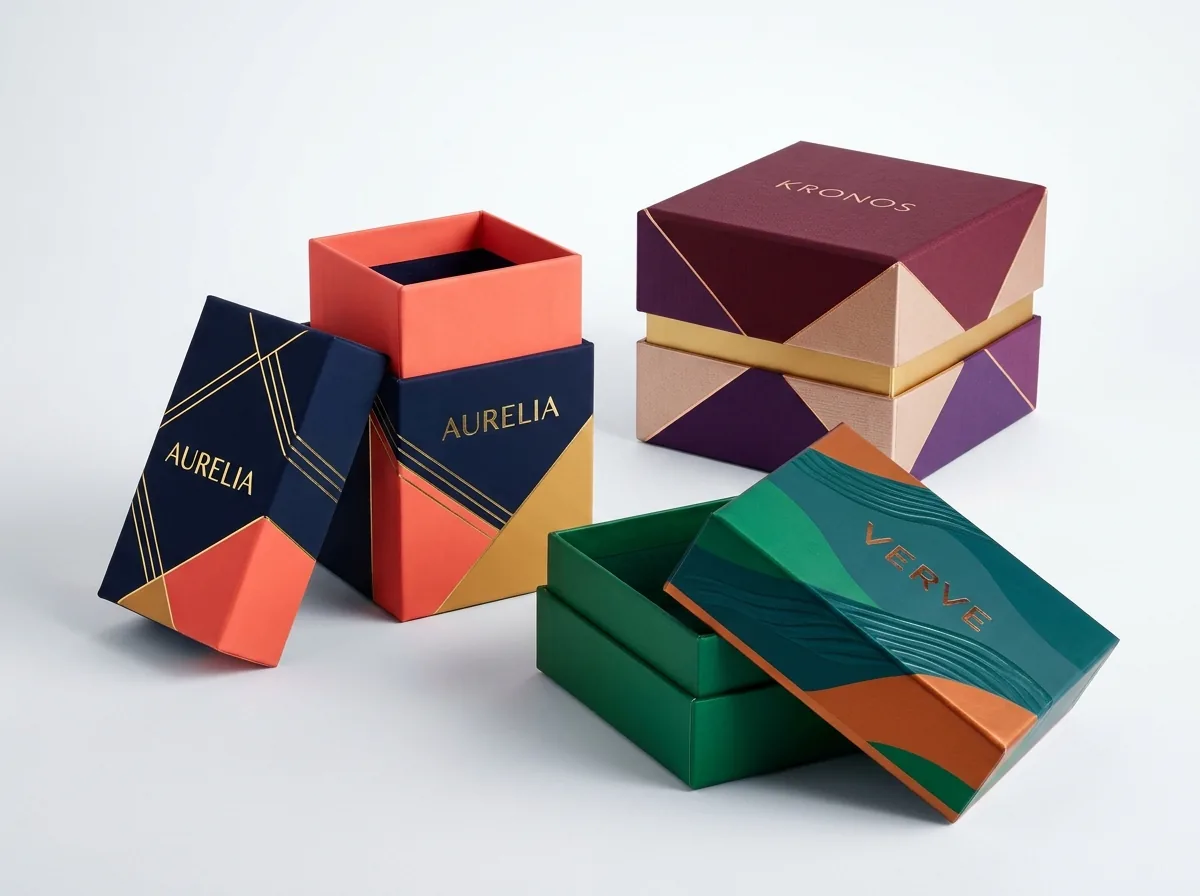
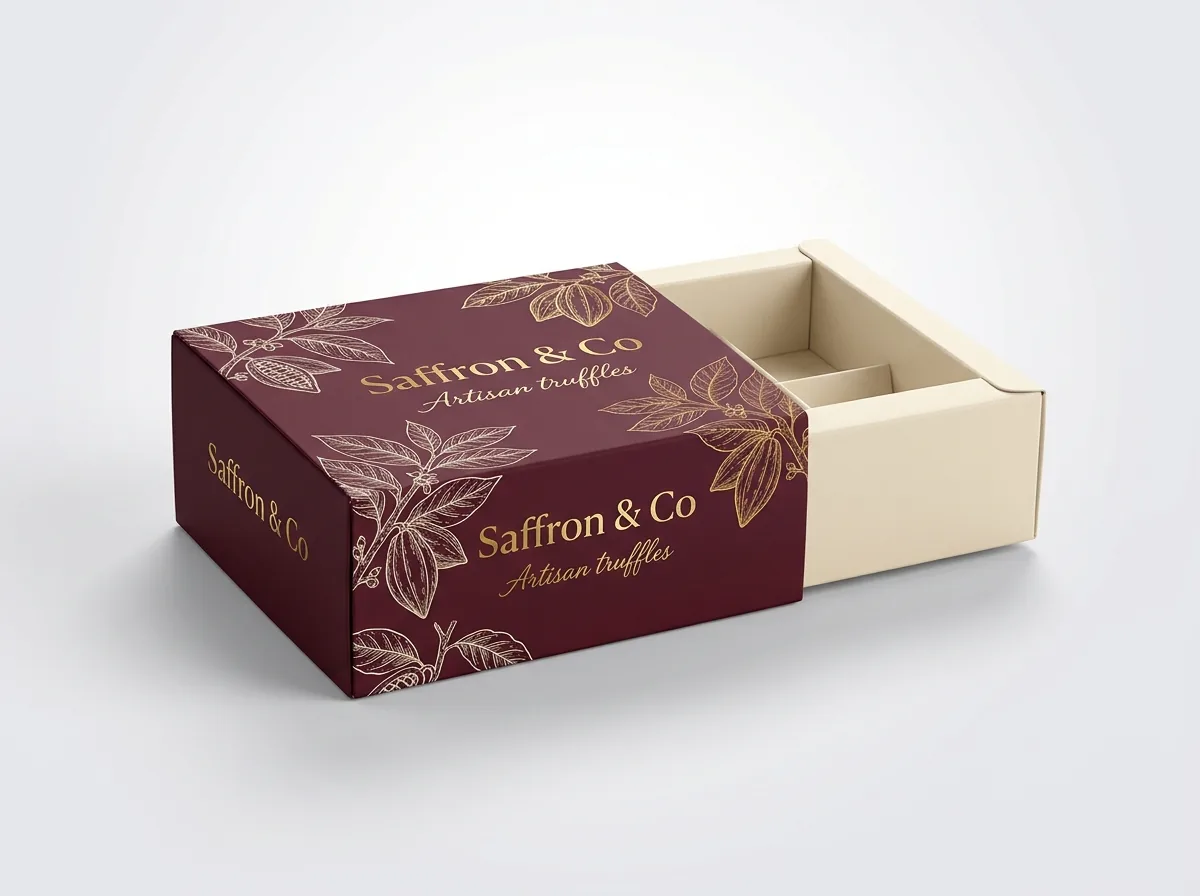
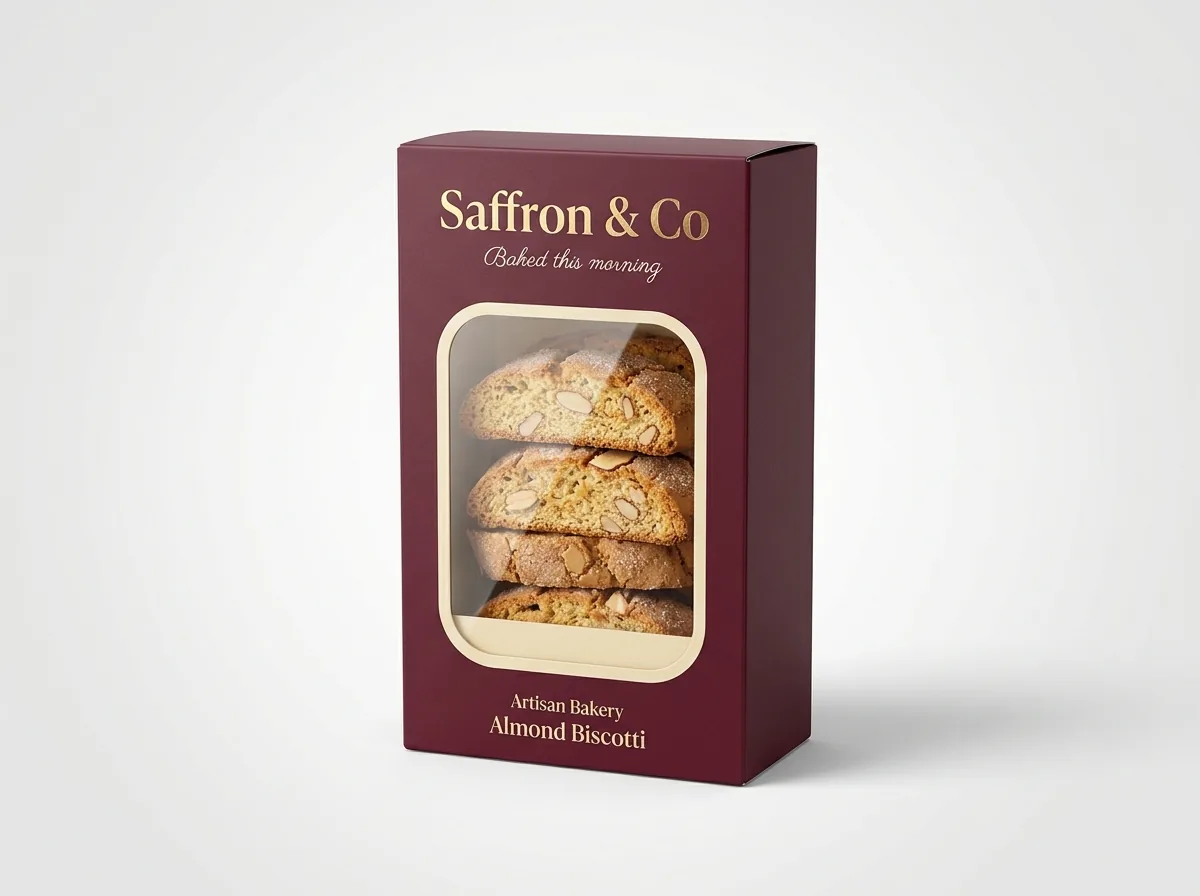
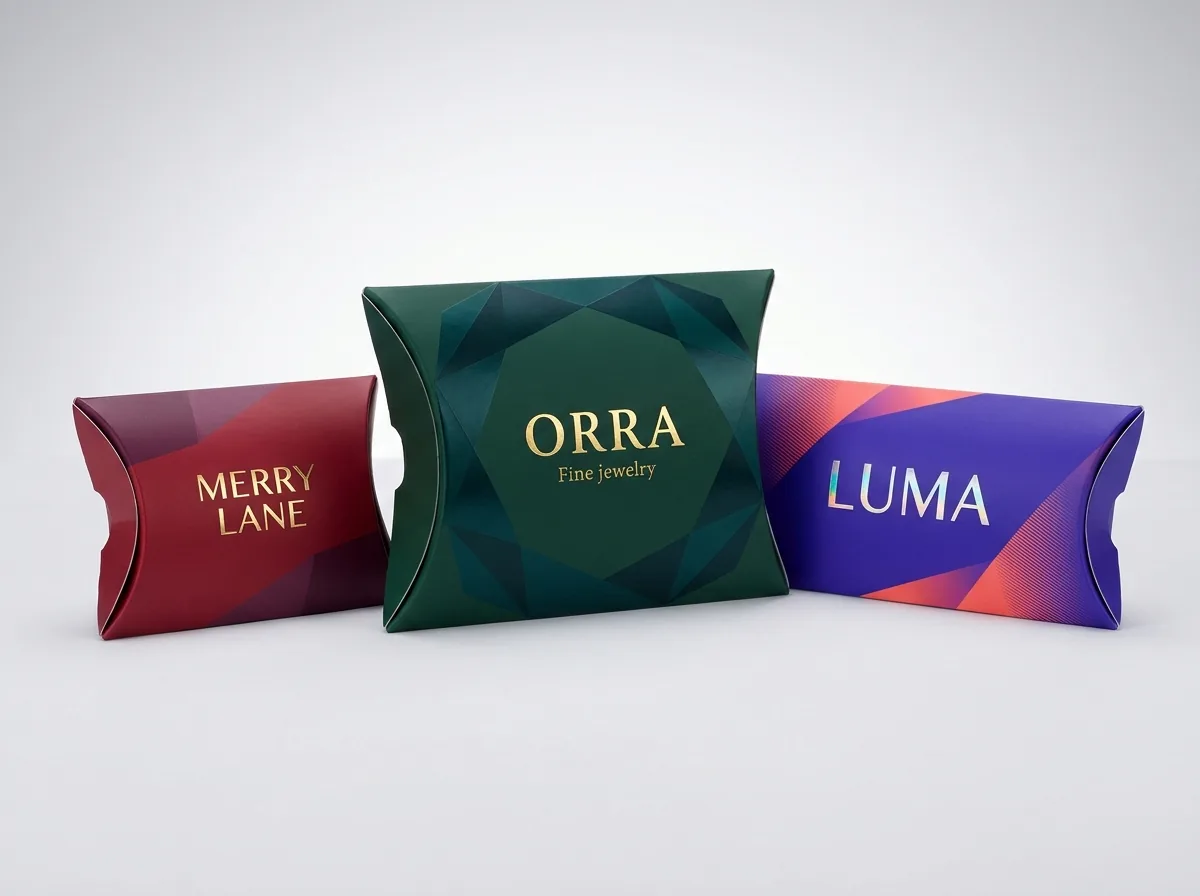
Ready to order scarf boxes? Compare up to 3 quantities with a free 3D mockup.
Request a Quote →Questions about scarf boxes
Can a flat paperboard scarf envelope folder be mailed inside a poly mailer?
Yes. A 18 pt to 24 pt SBS or kraft paperboard envelope folder with an inner cardstock backing board holds a silk square or hijab flat and rigid inside an outer poly mailer or bubble mailer, cutting outbound shipping weight and dimensional postage.
Do cardstock two-piece square scarf boxes ship flat to your warehouse?
Yes. Our folding cardstock two-piece scarf boxes (starting at 1,000 units) ship completely flat in stacked bundles and pop into double-wall lids and bases in seconds. Paper-wrapped rigid two-piece boxes (starting at 50 units) ship pre-assembled or as foldable rigid boxes.
Which scarf box style is best for museum gift shops and resort boutiques?
Museum shops and resort boutiques usually prefer either a shallow 9.5 × 9.5 × 1.0 inch two-piece square box with a full-color art reproduction on the lid, or a flat window folder that lets shoppers see the actual silk print while hanging or standing on a rack.
Can you add a clear window to a drawer box or two-piece scarf box?
Yes. On a two-piece box, we die-cut and film-patch a window right into the top lid; on a tray-and-sleeve drawer box, we place the window on the top face of the outer sleeve so the scarf pattern shows before the ribbon is pulled.
What is the minimum order for rigid vs folding carton scarf boxes?
Rigid scarf boxes (two-piece rigid, magnetic closure and rigid drawer boxes) start at 50 units. Corrugated e-commerce mailers start at 250 units, and paperboard folding cartons and flat envelope sleeves start at 1,000 units.
Can we order sample structures to test how our scarves fit each style?
Yes. Our $50 sample kit (credited to your first order) lets you compare paperboard, corrugated and rigid constructions in person, and we can also produce a custom-sized sample of your exact scarf box before full production.
Still have a question? Ask a packaging specialist.
Request a Quote →Request your scarf boxes quote
Tell us your size and quantities, and one dedicated account manager prepares pricing for each tier.
- Free design & AI-to-print studio + 3D mockup
- No die or plate charges · 4–5 day rush available
- Free shipping to all 50 states
- 10% off your first order
This comparison is built from CubitPack's decided minimums (1,000 folding cartons, 250 mailers, 50 rigid boxes) and structural engineering practices for silk, modal and wool accessories. A packaging specialist reviewed every row. Spot an error? Tell us and we will fix it.
Sources
What changed
- October 22, 2026: First published.
- October 22, 2026: Updated specifications, terminology, and verified source links.
More guides
New packaging guides by email
Sizes, materials and design tips. Unsubscribe anytime.